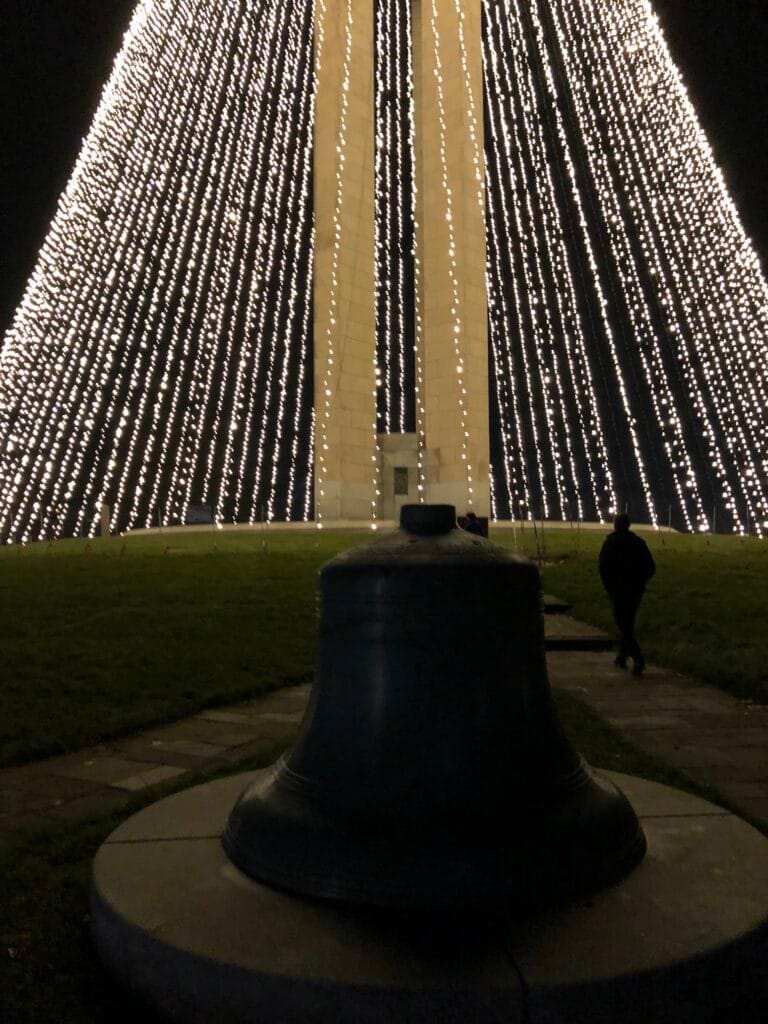
Carillon is one of Dayton’s most historically significant and quietly desirable neighborhoods, defined by its proximity to major cultural attractions, riverfront parkland, and some of the city’s most treasured historic institutions. For renters who are ready to step into ownership, Carillon offers a blend of heritage, walkability to Dayton’s best green spaces, and home prices that remain within reach for many first-time buyers. With its small geographic footprint, mix of architectural eras, and connection to Dayton’s innovation history, Carillon has become an area where buyers who appreciate character, location, and convenience often choose to plant long-term roots. Understanding the neighborhood’s origins, structure, and residential patterns provides a foundation for determining whether Carillon is the right fit for your homeownership goals.
Selling a Carillon Home? Contact Us for a Free Home Report and Cash Offer
A Deep History of Carillon
Carillon is named for Carillon Historical Park, one of Dayton’s most iconic cultural landmarks. The area surrounding the park developed in the early 20th century, at a time when Dayton was expanding along transportation corridors and the Great Miami River. Carillon’s location made it a natural focal point for both civic investment and residential growth. The neighborhood sits just south of downtown and west of the University of Dayton, placing it between two of the city’s most influential institutions. This positioning shaped Carillon’s identity from the beginning.
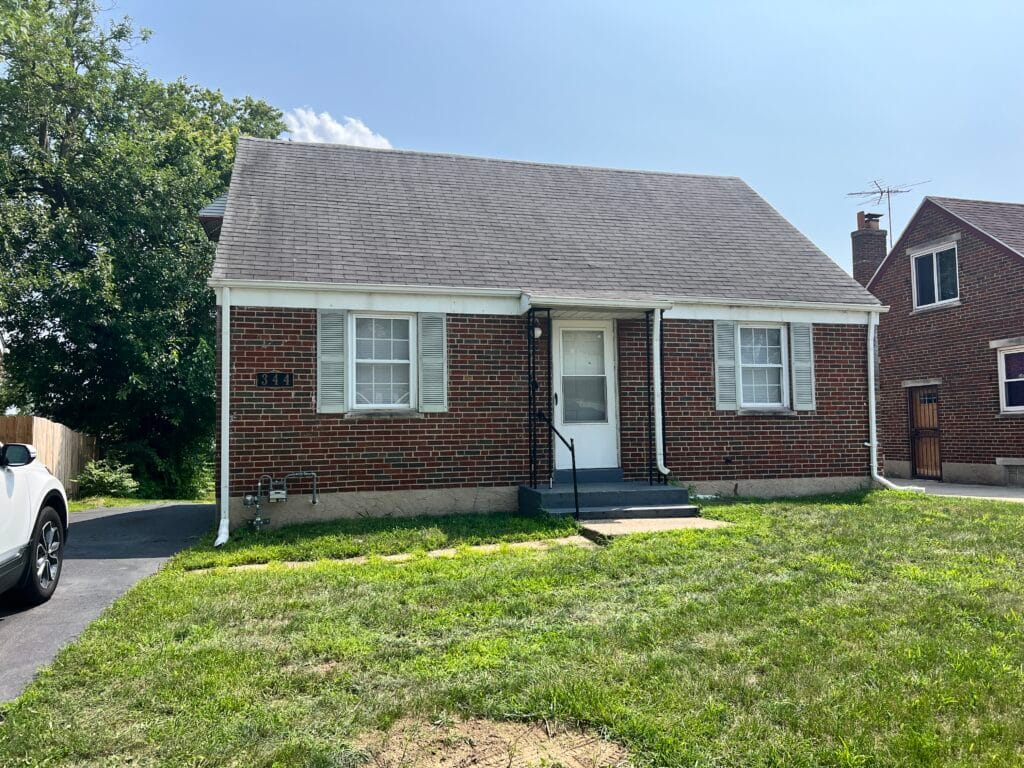
The earliest homes in the neighborhood were constructed before World War II, showcasing the craftsmanship of Dayton’s early residential builders. Small cottages and bungalows formed the initial wave of development, followed by larger homes in the 1930s and 1940s as Dayton’s industrial prosperity increased. During this time, the city was growing rapidly thanks to booming industries such as aviation technology, automotive manufacturing, and precision machining. Carillon appealed to workers and mid-level professionals who wanted proximity to the city center while enjoying the greenery and recreational amenities of the nearby riverbank.
Carillon Park itself was established in 1950 as a tribute to Dayton’s pioneering role in aviation and industrial history. With the addition of the 151-foot-tall Deeds Carillon and the park’s expansive grounds, the neighborhood gained cultural prominence. Over time, museums, historical buildings, and exhibits were added, transforming the park into a major regional attraction. This proximity to a cultural center shaped Carillon’s development, as residential streets gained a tranquil, museum-adjacent identity that set them apart from more densely urban neighborhoods nearby.
Unlike some Dayton neighborhoods that expanded dramatically over multiple decades, Carillon remained more geographically contained. Its boundaries are naturally shaped by the Great Miami River, the historic park, and major nearby roadways. This limited size helped Carillon maintain a consistent residential character, while neighborhoods to the east and west experienced more expansive change. The stability of Carillon’s footprint gives it a timeless quality that appeals to residents who value predictability and a sense of continuity.
Architectural Character and Housing Styles
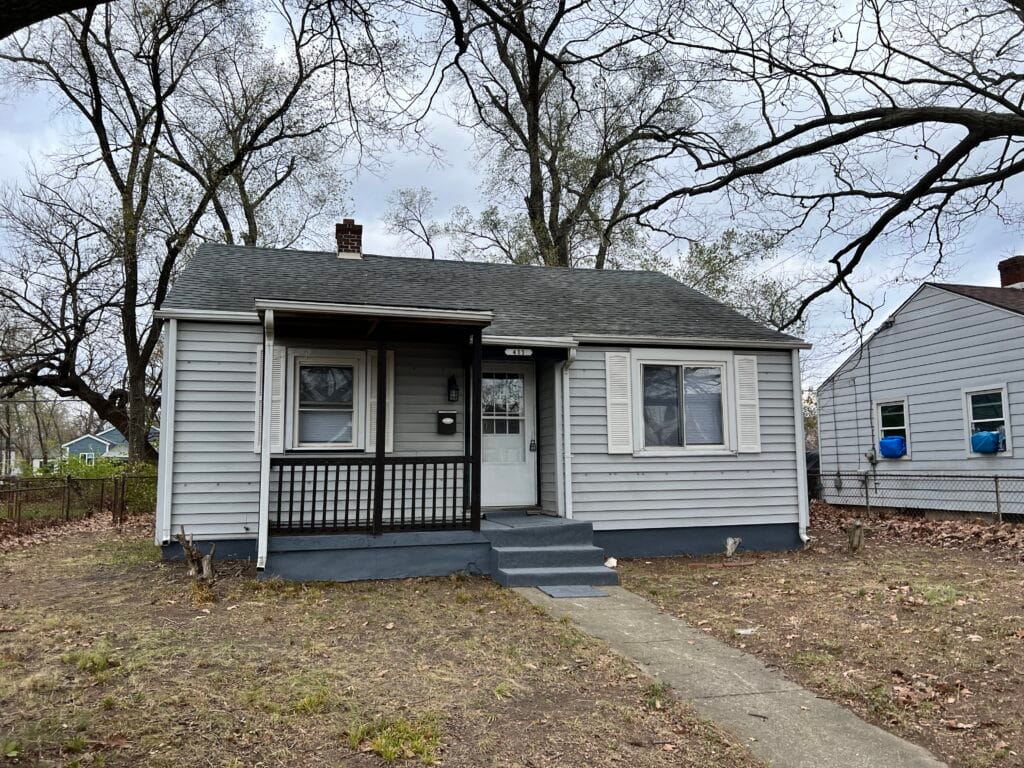
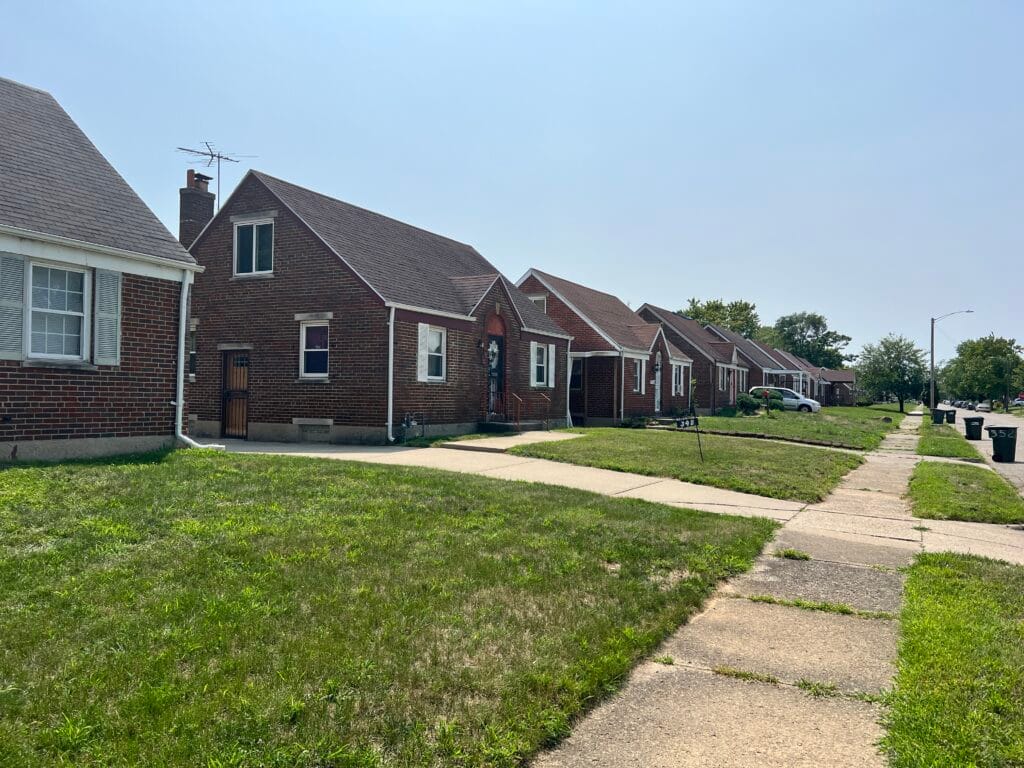
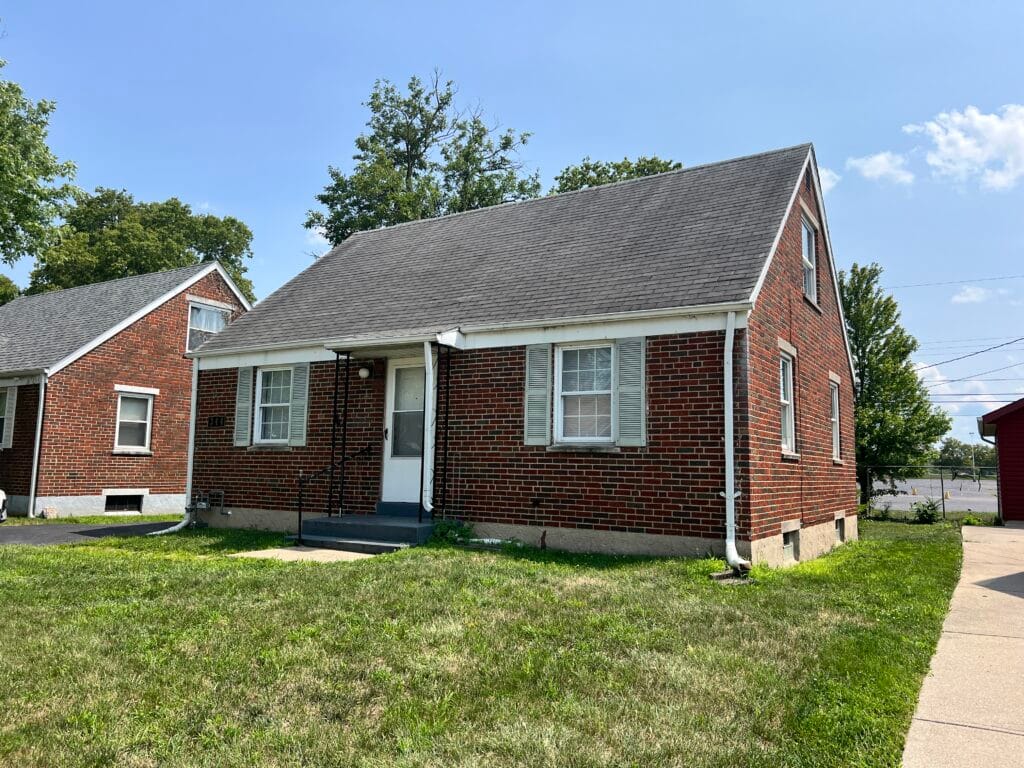
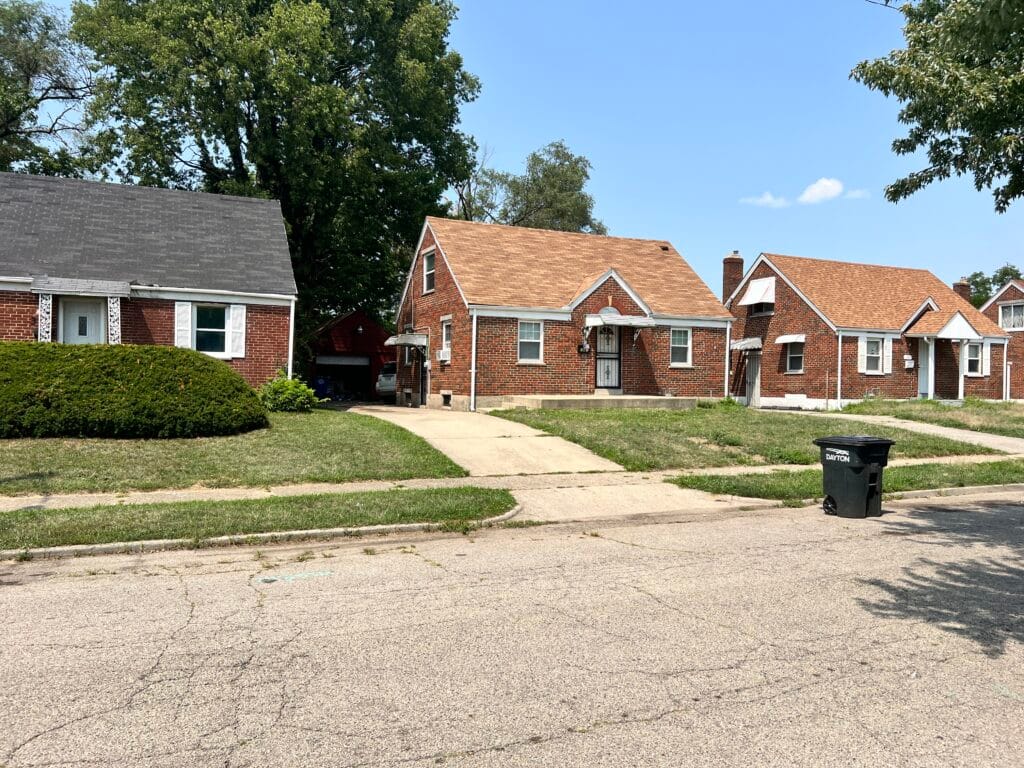
Carillon’s architecture reflects the neighborhood’s layered history. While the footprint is small, the variety of homes is surprisingly broad. Buyers will find early-20th-century cottages, post-war brick homes, mid-century designs, and even several homes with more modern renovations or additions. Understanding the housing styles helps set expectations for what buyers will find on the market.
Pre-war cottages and bungalows form part of the neighborhood’s core, especially in its older sections. These homes typically feature:
• Strong rooflines and covered porches
• Wood siding or brick facades
• Compact, efficient room layouts
• Decorative touches like built-in cabinetry or original trim
• Small but functional basements
The craftsmanship of these homes is evident in their original details. Buyers who appreciate character and architecture from the early 20th century often find these properties appealing.
Post-war brick ranches emerged as the second major wave of construction in Carillon. These homes tend to include:
• Single-story layouts
• Straightforward interior designs
• Brick exteriors with minimal ornamentation
• Driveways leading to side or rear garages
• Larger living rooms compared to older cottages
These homes offer practicality and ease of maintenance, making them ideal for buyers who want single-floor living or lower long-term upkeep costs.
Minimal traditional and mid-century homes also appear in Carillon, reflecting the architectural trends of the 1940s and 1950s. These properties often showcase:
• Low-pitched roofs
• Simplified design motifs
• Picture windows allowing natural light
• Open or semi-open living spaces
• Modest but efficient floorplans
Buyers who appreciate the aesthetic of mid-century housing often gravitate toward this portion of Carillon’s housing stock.
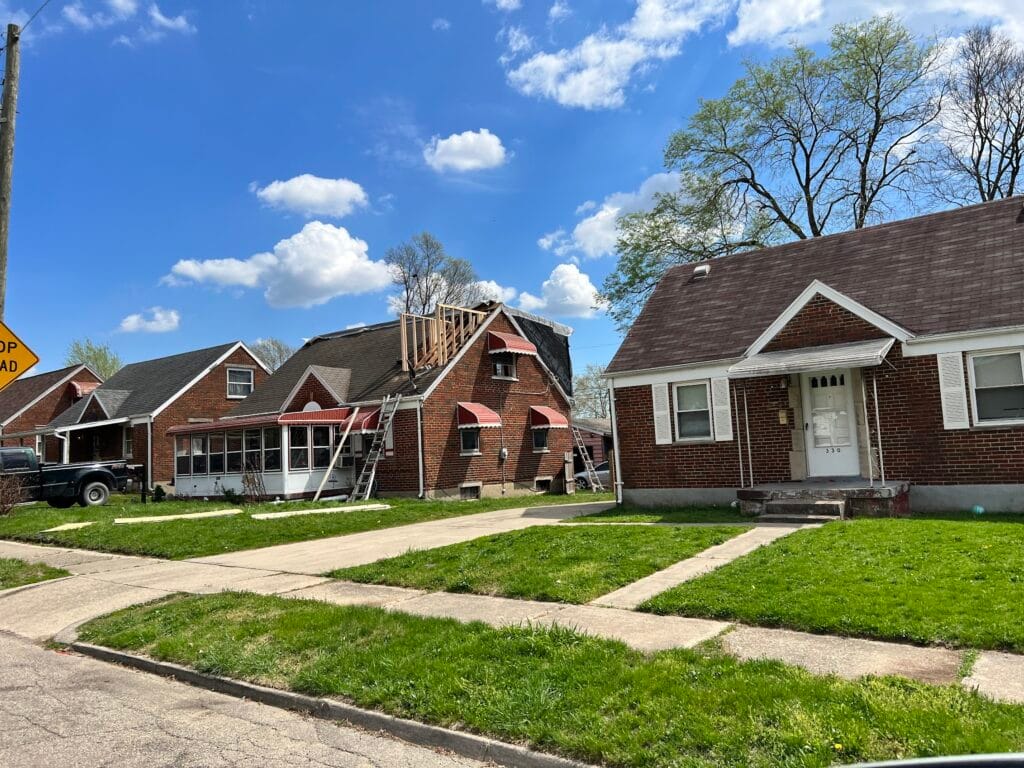
Renovation-focused buyers will also find homes in varied states of update. Some properties have undergone full modern revitalization—complete with updated kitchens, new baths, and contemporary finishes—while others retain their original layouts and await creative improvement. The range of condition levels provides avenues for buyers seeking turnkey properties as well as those looking to build equity through thoughtful upgrades.
Neighborhood Layout, Structure, and Geography
Carillon’s layout is heavily shaped by its geographic boundaries and its adjacency to major landmarks. It is a small, compact neighborhood, but its structure creates distinct sections with their own rhythm and feel. Understanding these subtle sub-areas helps buyers evaluate where they might feel most at home.
Streets Near Carillon Historical Park
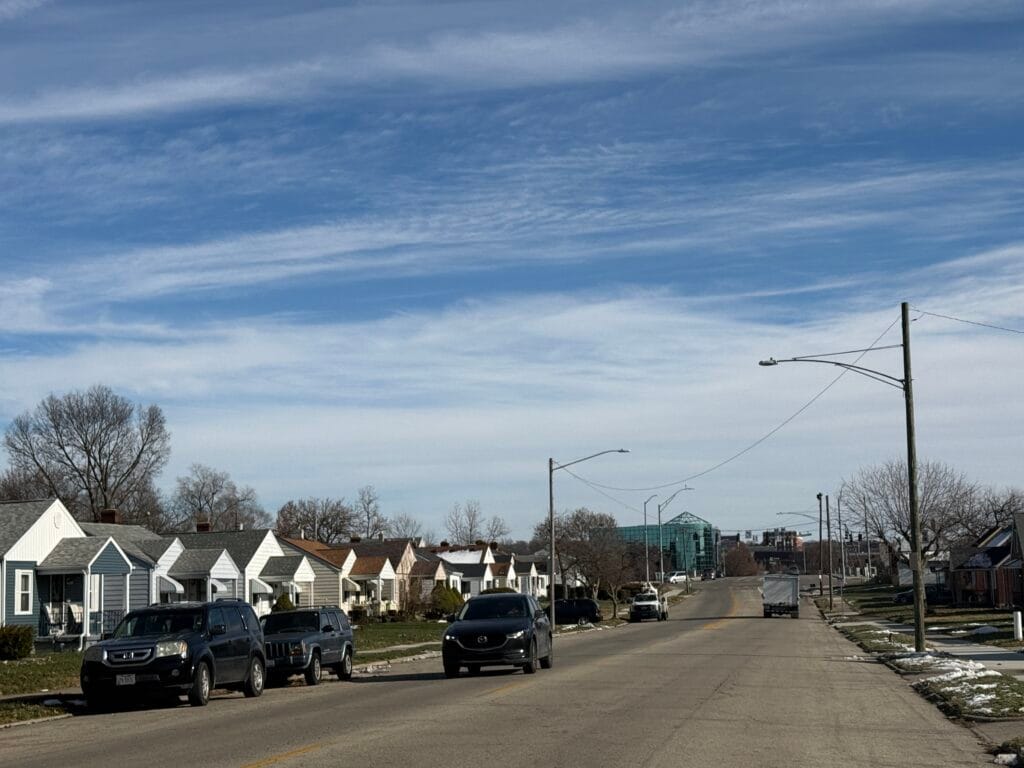
The blocks closest to the park have a quiet, almost museum-adjacent character. Mature trees, well-kept older homes, and steady residential presence define these streets. Because of their proximity to one of Dayton’s most beloved green spaces, these homes tend to attract buyers who value scenic surroundings and easy access to walking areas. The feel here is calm, with slow traffic and a traditional neighborhood ambiance.


Residential Areas Near the River
The Great Miami River forms a natural border on the west side of Carillon. While not every home has a view, the river’s presence contributes to the overall identity of the neighborhood. Streets in this area tend to be peaceful, and the riverbank’s greenery provides a sense of openness. Buyers who appreciate natural scenery or enjoy walking, running, or biking along nearby trails often find this side of Carillon particularly appealing.
Blocks Connecting to Nearby Institutions
Carillon sits close to major Dayton institutions such as Miami Valley Hospital, Carillon Park, and the University of Dayton. Some streets near these boundaries feel more connected to the movement of the city—though still quieter than the areas they border. Buyers who want rapid access to these institutions without living within busy commercial or medical zones often choose these transitional blocks.
Interior Residential Sections
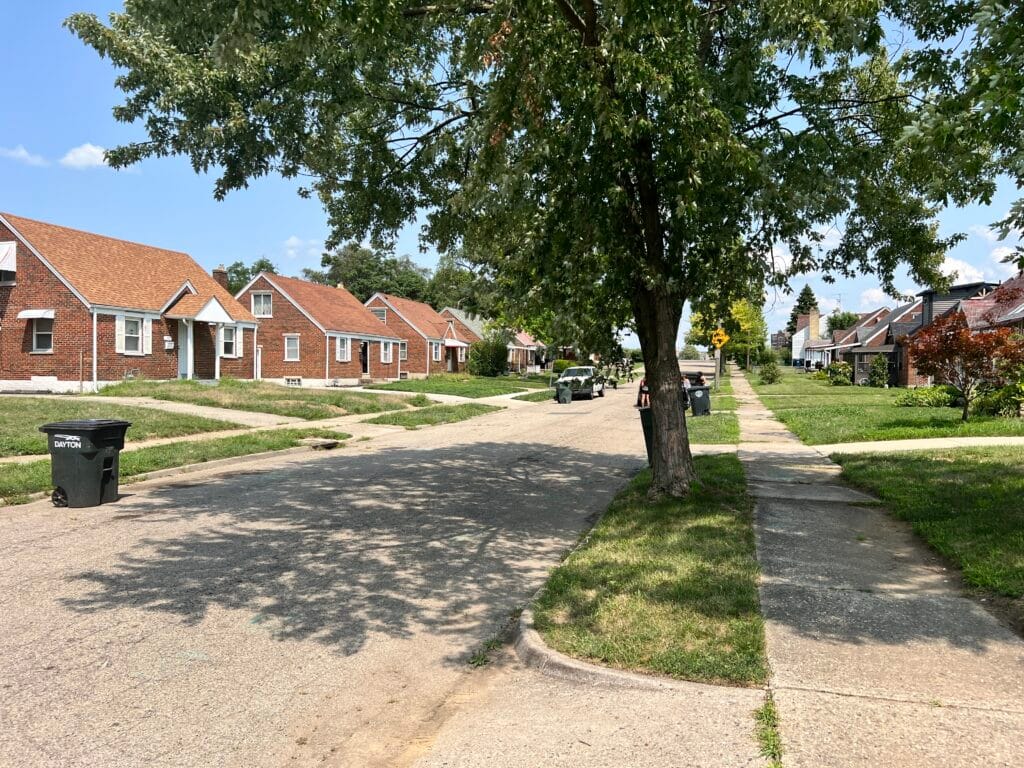
The interior streets of Carillon reflect the heart of the neighborhood’s character. Homes are modestly sized, yet charming and well-positioned on small but comfortable lots. Most streets feature sidewalks, mature trees, and manageable front yards. The grid layout is easy to navigate, and the overall scale feels intimate and friendly.
Lot Sizes, Setbacks, and Yard Patterns
Carillon’s lots are typically modest but well-proportioned. Many homes have small front yards with porches positioned close to the sidewalk, creating a traditional neighborhood feel. Backyards range from compact to medium-sized, with room for gardens, patios, or small play areas. Detached garages are common, particularly on older homes, although some mid-century houses include attached garage structures.
The consistency of lot size helps create a cohesive appearance without feeling overly uniform. Buyers who prefer neighborhoods with manageable outdoor spaces, rather than sprawling lawns, often see Carillon as an ideal fit.
Architectural Materials and Interior Features
Carillon’s interiors reflect the broad eras during which the neighborhood developed. Buyers will find a mix of original craftsmanship and modern updates, depending on the home and its ownership history. Common interior features include:
• Hardwood floors—either exposed or preserved under carpet
• Plaster walls with original texture
• Decorative archways in pre-war homes
• Picture windows in mid-century homes
• Traditional bedroom arrangements on upper levels
• Full basements for laundry, storage, or limited finishing potential
Homes updated in recent years may feature renovated kitchens with stone countertops, newer cabinetry, stainless appliance packages, and refreshed bathrooms with modern tile and fixtures. Others may present original layouts awaiting renovation—an appealing prospect for buyers wanting to customize their space.
Street-Level Impressions and Neighborhood Identity
The identity of Carillon coalesces around its blend of greenery, walkability, and cultural proximity. Walking through the neighborhood, buyers will notice the steady presence of mature trees, quiet streets, and well-preserved homes. The traffic flow is gentle, and the atmosphere feels relaxed, particularly as one moves closer to the park or river. Neighbors often walk their dogs along the sidewalks or head toward Carillon Park’s extensive grounds for exercise or leisure.
Because Carillon is smaller than many Dayton neighborhoods, it has a strong sense of place. Buyers who want a residential area with personality—without the scale of large suburbs or the density of urban centers—often find Carillon appealing. The presence of institutions nearby gives the neighborhood a unique blend of tranquility and cultural connection.
What You Can Buy in Carillon at Different Price Points
Carillon’s small geographic size means its real estate market is never saturated with inventory, but homes span a significant range of price tiers. Buyers can find updated homes, modest mid-century properties ready for personalization, and older houses that offer the potential for substantial equity growth with thoughtful renovation. Understanding the different price brackets helps buyers determine where their budget best aligns with the neighborhood’s offerings.
$165,000 and Up — Fully Renovated or Expanded Homes
Move-in-ready homes in Carillon that are priced above approximately $165,000 tend to reflect full modernization. These properties are particularly desirable in a neighborhood where many homes date back to earlier eras. Buyers in this price range can expect:
• Recently replaced or upgraded mechanical systems
• New roofing, gutters, and exterior finishes
• Completely remodeled kitchens with modern cabinetry and appliances
• Updated bathrooms with contemporary fixtures and tile work
• Finished or partially finished basements
• Updated flooring, lighting, and interior paint
• Improved energy efficiency through newer windows and insulation
Homes in this tier often attract buyers wanting peace of mind and convenience. Whether they are relocating for work, planning to start a household, or simply prefer turnkey ownership, these buyers value the comfort of purchasing a home that requires minimal immediate maintenance.
$135,000–$165,000 — Well-Maintained Homes with Partial Updates
Many Carillon homes fall into this middle price range, providing a desirable balance between value and updates. Homes in this bracket often include:
• Functional mechanicals with moderate remaining lifespan
• Roofs in serviceable condition
• Kitchens with partial updates (appliances, countertops, flooring, or cabinetry)
• Bathrooms with blended original and modern elements
• Hardwood floors in good condition
• Fresh interior painting and maintained exteriors
This tier is especially appealing for first-time buyers who want a comfortable home without feeling pressured to undertake significant renovations shortly after moving in. It allows for future customization and upgrades, but the basic functionality is already in place.
$100,000–$135,000 — Dated but Solid Homes with Classic Charm
This is a popular range for buyers entering the Carillon market. Homes priced between roughly $100,000 and $135,000 are typically structurally sound but may show their age in cosmetic aspects. Buyers may encounter:
• Original kitchen layouts with older cabinetry
• Bathrooms featuring vintage tile or fixtures
• Hardwood floors ready for refinishing
• Mechanical systems approaching the end of their service life but still functional
• Older windows that perform adequately but could benefit from replacement
• Traditional floorplans common to mid-century homes
Homes in this tier often provide excellent opportunities for gradual improvement. Buyers willing to modernize kitchens, upgrade flooring, and refresh interiors can build equity over time while enjoying the neighborhood’s location and character from day one.
$75,000–$100,000 — Homes Requiring Moderate Repairs or Updates
Carillon homes in this price range may need more significant attention but are manageable for buyers who are comfortable with projects. Typical conditions include:
• Roofing or gutter replacement needs
• Older furnaces or water heaters nearing replacement
• Bathrooms requiring full modernization
• Dated flooring that would benefit from replacement
• Kitchens needing full redesign
• Exterior paint or siding repair
• Deferred maintenance accumulated over time
These homes are attractive for buyers who want to enter the neighborhood at a lower price point while embracing the opportunity to improve their home gradually. The key is understanding the scope of work required and budgeting realistically for improvements.
$50,000–$75,000 — Full Renovation Opportunities
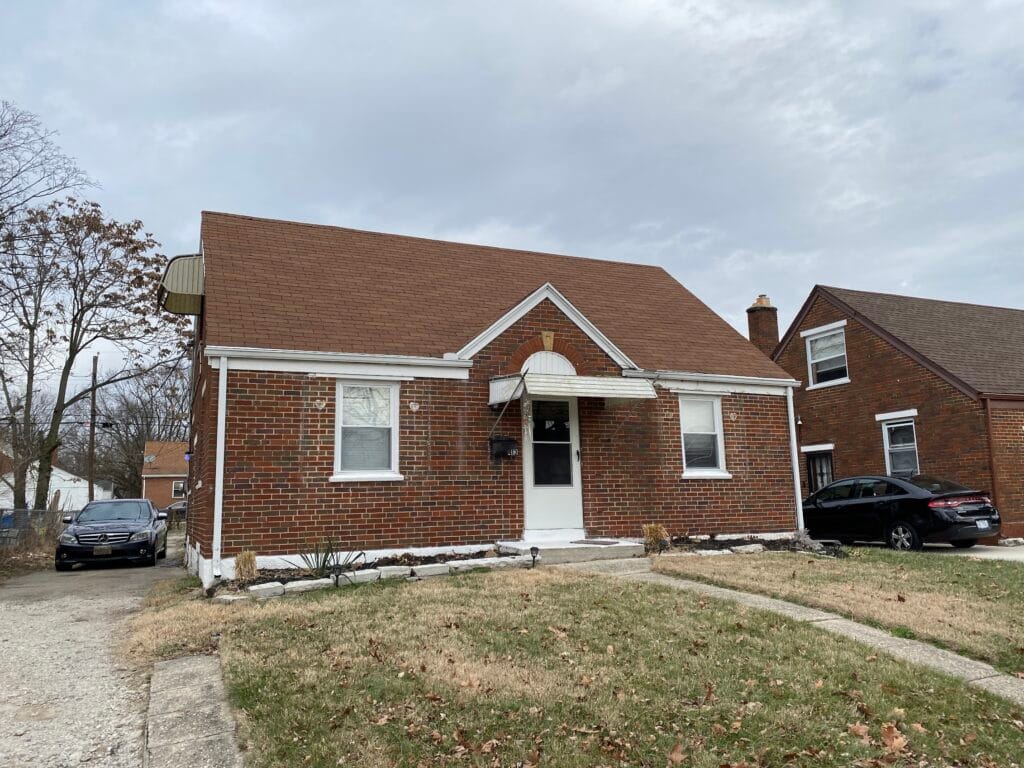
Because Carillon is smaller than many Dayton neighborhoods, the supply of homes in this tier is limited, but they do appear occasionally. Properties may require extensive repair, such as:
• Electrical system overhaul
• Plumbing replacements
• Foundation or moisture remediation
• Roofing replacement
• Kitchen and bath down-to-studs renovations
• Full flooring replacement
• Exterior structural repair or siding replacement
These homes appeal mostly to experienced renovators or buyers ready for long-term improvement projects. While the upfront work can be substantial, finished renovations in Carillon often hold strong resale potential due to the neighborhood’s desirable location.
Who Carillon Is Best For
Carillon draws a distinctive mix of residents, and understanding the types of buyers who thrive here helps clarify whether it aligns with your goals. The neighborhood’s appeal is rooted in history, location, walkability, and cultural access. Several buyer groups consistently identify Carillon as a strong match.
Renters Seeking Long-Term Stability
Many renters transition into homeownership in Carillon because the neighborhood offers a balance of affordability and lifestyle benefits. Renting in or near this part of Dayton often comes with rising costs, while purchasing a home can create a stable, predictable monthly payment. Buyers who want consistent expenses and equity-building opportunities find Carillon especially attractive.
Renters who enjoy the neighborhoods near downtown or the University of Dayton frequently find that Carillon provides similar convenience without the noise or density of more heavily trafficked districts.
Buyers Wanting Walkability to Parks and Cultural Attractions
Carillon’s proximity to Carillon Historical Park, the Great Miami River corridor, and nearby green spaces makes it ideal for buyers who enjoy walkable leisure activities. It is common to see residents walking to the park for seasonal events, riverfront views, or daily exercise. For buyers who prefer being within minutes of open spaces, the neighborhood offers one of the strongest combinations of location and accessibility in Dayton.
Professionals Working in Healthcare, Education, or Downtown Dayton
Carillon is strategically located near major employers. Miami Valley Hospital is less than a mile away, the University of Dayton’s main campus is immediately adjacent, and downtown’s business districts are just minutes north. This makes the neighborhood ideal for buyers who want short commutes in multiple directions.
Many residents choose Carillon specifically because it eliminates the stress of long daily travel, especially for healthcare workers with unpredictable schedules or university staff who want quick access to campus.
First-Time Buyers Who Prefer Manageable Home Sizes
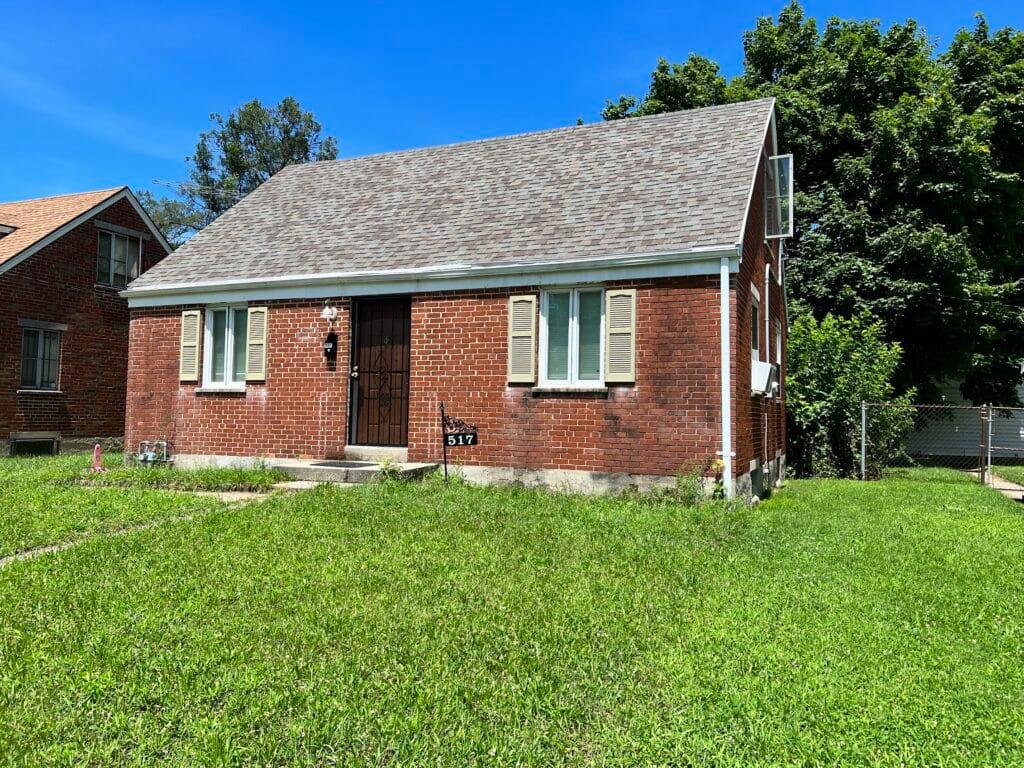
Almost all homes in Carillon fall into a manageable range of square footage—large enough for comfort yet small enough to maintain easily. Most houses include two or three bedrooms, making them appropriate for individuals, couples, or small families who are entering homeownership for the first time.
Buyers who want functional living space without excessive maintenance often gravitate toward Carillon because it offers the advantages of a quiet residential neighborhood without overwhelming home sizes.
Buyers Who Appreciate Historic Character
Carillon appeals to buyers who enjoy older homes with personality. Features like original trim, hardwood floors, built-in cabinetry, and period architectural details are common in the neighborhood. Those who appreciate the charm of pre-war or mid-century construction often find that Carillon’s housing stock offers an appealing balance of style and practicality.
Downsizers Seeking a Smaller Urban Footprint
Because Carillon’s homes are modestly sized and located close to amenities, some buyers looking to downsize choose the neighborhood as well. The ability to live near cultural attractions, parks, and major institutions makes it an appealing option for those who want a more walkable lifestyle in a quiet setting.
Lifestyle Fit and Daily Living in Carillon
Life in Carillon blends peaceful residential living with immediate access to Dayton’s cultural and recreational amenities. The neighborhood’s identity is shaped by its location along the Great Miami River and its adjacency to one of Dayton’s most visited parks. Buyers who enjoy spending time outdoors, participating in community events, or living near educational institutions often appreciate the neighborhood’s convenience and atmosphere.
Walking is part of daily life for many Carillon residents. Whether heading to the park, strolling along tree-lined streets, or crossing into adjacent neighborhoods for food or drink, the compact nature of the area encourages pedestrian activity. Buyers who value walkability find that Carillon provides a more tranquil environment than busier districts while still offering plenty of nearby destinations.
The neighborhood’s calm streets make it ideal for evening walks, weekend bike rides, or time spent on porches and patios. The slower pace appeals to buyers who want a place to unwind without feeling isolated. The overall aesthetic—quiet blocks, mature trees, older homes, and scenic park access—gives the neighborhood a timeless feel.
Amenities and Nearby Attractions
Carillon’s amenity set is unique among Dayton neighborhoods because it revolves heavily around cultural and historical resources. Residents enjoy close access to:
• Carillon Historical Park and all its seasonal programming
• The Great Miami River and its adjacent trail systems
• University of Dayton events, performances, and recreational facilities
• Museums and historical buildings within Carillon Park
• Scenic walking routes that connect the neighborhood to riverfront green spaces
Beyond cultural amenities, residents are minutes from downtown, where food, entertainment, and professional services are readily available. South Dayton’s commercial corridors, including Brown Street and Oakwood retail areas, are also close by, offering restaurants, cafes, and grocery options that contribute to Carillon’s lifestyle convenience.
Commuting and Connectivity
One of Carillon’s most appealing features is its ease of movement to and from major Dayton destinations. Whether traveling by car, bus, or bicycle, residents benefit from quick connections to:
• Downtown Dayton (approximately 5 minutes)
• Miami Valley Hospital (under 2 minutes)
• University of Dayton (immediate adjacency)
• Oregon District (approximately 5 minutes)
• South Dayton commercial districts (5–10 minutes)
• Riverside neighborhoods and east-side job centers (7–12 minutes)
• Wright-Patterson AFB (20–25 minutes) through accessible commuter routes
Because the neighborhood sits near major roads and thoroughfares—but not directly on them—it benefits from easy access without being overwhelmed by traffic. Buyers who prioritize short commutes consistently place Carillon high on their list of preferred neighborhoods.

Strengths and Challenges for Buyers
Neighborhood Strengths
• Proximity to cultural landmarks and parkland
• Strong walkability to scenic and recreational areas
• Manageable home sizes ideal for first-time buyers
• Stable housing stock with long-term residents
• Quick access to downtown, hospitals, and universities
• Historic charm and architectural character
Buyer Challenges
• Inventory is limited due to the neighborhood’s small size
• Some homes require system-level updates
• Mixed levels of modernization across different properties
• Limited availability of large home footprints
• Occasional higher competition due to the neighborhood’s desirability
These challenges are manageable for buyers who understand the neighborhood’s age and scale. In many cases, the strengths far outweigh the limitations, especially for those who prioritize location, charm, and walkability.
Buying in Carillon vs. Renting Nearby
Many renters living near Carillon or in adjacent neighborhoods eventually discover that owning a home here can be comparable to—or sometimes more affordable than—renting. Monthly mortgages for Carillon homes, especially in the $110,000–$150,000 range, often align with local rent prices. Combined with lower utility costs typical of modestly sized homes, ownership becomes a realistic option.
Renters attracted to walkability, green space, or proximity to institutions often find that buying provides a meaningful upgrade in stability and long-term financial security. In addition, the neighborhood’s small size and steady demand help support strong resale potential should buyers choose to move later.
For renters accustomed to frequent rent increases or limited flexibility in their housing arrangement, owning in Carillon offers a sense of permanence and control. The ability to customize a home, build equity, and eliminate landlord restrictions often motivates renters to begin exploring their purchasing options.
Because Carillon is close to major employers yet feels distinct from more urban districts, it resonates with buyers who want convenience without sacrificing neighborhood identity. For many individuals and households, buying here represents the ideal middle ground between city access and residential calm.
Inspection Expectations and Common Findings in Carillon Homes
Because Carillon’s housing stock spans several critical eras of Dayton development, buyers should anticipate inspection findings that reflect the natural aging of early- and mid-century homes. Understanding these patterns helps buyers create realistic budgets, negotiate effectively, and determine which homes align with their comfort level. While Carillon homes often retain impressive craftsmanship, they also share predictable maintenance needs associated with older construction.
Mechanical systems are one of the most frequent items requiring evaluation. Furnaces and air conditioners in Carillon homes may be relatively modern or several decades old, depending on prior ownership. Even well-maintained equipment eventually reaches the end of its life cycle, and inspections often indicate remaining lifespan or inefficiencies. Replacing mechanicals is a common longer-term investment for homeowners in this neighborhood and should be factored into planning.
Electrical systems present another area where inspections provide valuable clarity. Homes built before the 1950s were often constructed with wiring types or panel configurations that differ from contemporary expectations. Although many Carillon homes have undergone electrical updates, buyers may encounter:
• Older breaker panels requiring modernization
• Limited amperage by modern standards
• Mixed wiring types due to gradual upgrades
• Necessity for new grounded outlets
• Occasional need for full rewiring in renovation candidates
Electrical improvements contribute significantly to both safety and functionality. Buyers should consider these updates as part of responsible long-term planning rather than viewing them as unexpected burdens.
Plumbing systems in Carillon homes range from original installations to modern replacements. Older homes may still contain galvanized pipes, cast iron drains, or original supply lines. While many homes have undergone partial or total plumbing updates, some remain in need of modernization. Inspections often reveal reduced water pressure, corrosion, or slow drains—conditions that are common across Dayton’s older neighborhoods and generally manageable with phased upgrades.
Roof age and condition frequently appear in inspection reports. Carillon’s modest home sizes generally help keep roofing projects more affordable compared to larger suburban properties, but buyers should still evaluate roofing materials, age, and signs of wear. Common findings include curling shingles, aging flashing, and gutters in need of improvement. Addressing these items helps protect against water intrusion and extends the life of the home.
Basements and foundations are typical focus areas in older Dayton homes. Because many Carillon houses were built before modern waterproofing standards, minor moisture issues can appear in inspection reports. These might include damp walls, efflorescence, or small seepage areas during heavy rainfall. Most moisture challenges can be resolved through improvements such as grading adjustments, gutter upgrades, sump pump installation, or interior drainage systems. Buyers should not assume moisture findings indicate structural problems; instead, they should view them as common aspects of older homes requiring preventive care.
Interior elements often reflect the age and history of the home as well. Inspections may note original hardwood floors needing refinishing, older windows that could be replaced for energy efficiency, aging interior paint, or older appliances. While these items do not typically rise to the level of major concerns, they help inform the buyer’s budget for cosmetic updates after move-in.
Understanding these common inspection items positions buyers to make informed decisions. Carillon homes, like many older Dayton properties, often offer unmatched character and location advantages. With realistic expectations and proactive maintenance planning, buyers can manage aging home characteristics confidently and enjoy long-term value.
Long-Term Investment and Value Potential
Carillon’s long-term investment potential is supported by its location, cultural significance, adjacency to major institutions, and the ongoing desirability of modest, well-built homes in accessible neighborhoods. Buyers who choose Carillon often do so with an eye toward stability and long-term appreciation rather than quick-turn speculation. Several factors contribute to the neighborhood’s enduring value.
Its proximity to the Great Miami River corridor and Carillon Historical Park makes the neighborhood uniquely anchored to Dayton’s cultural identity. Homes near major parks, scenic walking routes, and riverfront amenities tend to retain value over time as buyers continue to seek proximity to green space and recreational opportunities. Continued investment in riverfront improvements and public spaces further strengthens this appeal.
The neighborhood’s adjacency to Miami Valley Hospital and the University of Dayton provides a consistent buyer base. Healthcare professionals, university employees, and graduate students—some of whom prefer long-term ownership over renting—frequently explore Carillon as an option. These institutions are major economic drivers in Dayton, and neighborhoods close to them often experience reliable demand.
The small geographic footprint of Carillon contributes to supply limitations that support price stability. With fewer homes entering the market compared to larger neighborhoods, competition for well-maintained properties can be strong. Buyers who purchase homes in good condition or who thoughtfully renovate older properties often see positive returns when they choose to sell in the future.
Properties requiring cosmetic modernization present significant equity-building opportunities. Homes with dated interiors but solid foundational condition can be transformed through strategic improvements such as kitchen updates, bathroom renovations, flooring replacement, and refreshed curb appeal. Because Carillon’s buyers appreciate charm and character, preserving period details while modernizing key features often yields the best results.
Rental demand in and around Carillon also contributes to its investment potential. Buyers who eventually convert their primary residence into a rental property may find consistent interest due to the neighborhood’s location, accessibility, and scale. While buyers should always evaluate landlord responsibilities carefully, Carillon offers favorable fundamentals for both long-term occupancy and rental viability.
Ideal Pathways for Renters Becoming Homeowners in Carillon
Renters exploring Carillon as their potential first neighborhood purchase often find themselves drawn to its location and charm but may feel uncertain about where to begin. Transitioning from renting to owning becomes more achievable when the process is broken down into clear, manageable steps tailored to the realities of older homes and the local market.
The first step is evaluating affordability. Many renters discover that mortgage payments for homes in Carillon—especially in the $110,000 to $150,000 range—align closely with their current rent. Programs designed specifically for first-time buyers, such as FHA loans or down payment assistance, can further reduce the barrier to entry. Exploring these financial tools helps renters understand what is realistically within reach.
Next, renters should begin familiarizing themselves with Carillon’s housing styles and price tiers. Touring several homes at different points in the price spectrum helps clarify personal preferences, tolerance for renovations, and desired home features. Some renters prefer fully updated homes, while others favor properties they can gradually improve over time. Carillon offers both, allowing renters to choose the path that best suits their comfort level.
The inspection phase often feels intimidating to first-time buyers, but it provides essential clarity. Renters transitioning to ownership should understand that older homes naturally come with maintenance needs. The key is distinguishing between manageable updates—such as cosmetic improvements or routine mechanical replacements—and major concerns that could strain budgets. With guidance, most renters quickly learn to interpret inspection findings confidently.
After selecting a home and negotiating effectively, the closing process becomes the final step toward ownership. Renters who work with a knowledgeable guide often find this stage more straightforward than expected. Documentation, communication with lenders, and final walk-throughs become manageable with steady support. This process helps renters move from uncertainty to confidence as they step into long-term ownership.
How Dayton Proper Helps Buyers Navigate Carillon
Purchasing a home in a historic Dayton neighborhood requires a balanced approach—one that recognizes the value and charm of older homes while addressing the realities of aging systems and maintenance. Dayton Proper helps buyers navigate this process with clarity, practicality, and local expertise. The goal is to help each buyer make a decision that aligns with their budget, lifestyle, and long-term goals.
The process begins with understanding the buyer’s unique situation. Dayton Proper helps clarify financial readiness, identify available loan programs, and determine realistic price ranges. This foundation ensures that buyers explore homes that align with their comfort level and avoid overextending themselves financially.
During the search phase, Dayton Proper helps buyers evaluate Carillon homes in context. Understanding the differences between pre-war homes, mid-century ranches, and renovated properties helps buyers see each home’s strengths and potential challenges. Guidance during this phase helps buyers distinguish between superficial imperfections and deeper issues requiring attention.
When a buyer identifies a promising property, Dayton Proper assists in preparing a strong, well-structured offer. Factors such as condition, market competition, and seller motivation all influence offer strategy. Dayton Proper ensures buyers feel confident in their approach, whether they are pursuing a turnkey property or an improvement opportunity.
The inspection and negotiation phase is where experience matters most. Dayton Proper helps buyers understand inspection findings, determine which issues are expected for older homes, and identify items where negotiation may be appropriate. This stage helps protect buyers from costly surprises while maintaining realistic expectations about the age and structure of Carillon homes.
As buyers move toward closing, Dayton Proper coordinates with lenders, title companies, inspectors, and other professionals to ensure a smooth transition. Communication and organization help buyers feel supported through each step, reducing stress and uncertainty during the final stretch before move-in.
Walkability, Community Feel, and Natural Surroundings
Carillon’s atmosphere blends quiet residential living with easy access to one of Dayton’s most iconic park spaces. Residents frequently enjoy walking, jogging, or biking through Carillon Historical Park or along the river. Seasonal events, concerts, and community gatherings add vibrancy and cultural engagement to the neighborhood’s daily life.
The area’s sidewalks, shaded streets, and manageable scale make it ideal for evening strolls or outdoor activities. Homes with porches encourage neighbor interaction, while the limited traffic on most residential streets helps maintain a sense of calm. Buyers who value a quiet, scenic setting often find Carillon’s atmosphere particularly appealing.
Despite its tranquility, Carillon is not isolated. Its adjacency to the University of Dayton and Miami Valley Hospital ensures continued foot traffic, economic activity, and access to amenities. This balance between peaceful residential blocks and dynamic institutional surroundings gives the neighborhood a unique character unmatched by many Dayton communities.

Comparing Carillon to Nearby Neighborhoods
Carillon’s location gives buyers easy access to several nearby neighborhoods, each with distinct characteristics. Buyers often compare Carillon to these areas while determining where to focus their search.
• South Park: Known for its historic Victorian homes and active community feel, South Park offers a more architecturally dramatic environment, but often at higher price points and with a busier atmosphere.
• University Park: Adjacent to the University of Dayton, this neighborhood sees more student and rental activity. It may appeal to buyers looking for proximity to campus but lacks Carillon’s tranquility.
• Edgemont: Located to the west, Edgemont offers lower price points but significantly different housing patterns and fewer park-adjacent amenities.
• Grafton Hill: North of downtown, this neighborhood offers large historic homes with arts and cultural proximity but lacks Carillon’s riverfront access.
These comparisons help buyers see Carillon’s unique blend of cultural adjacency, manageable home sizes, scenic access, and central location.
Internal Links to Complementary Neighborhood Guides
Buyers exploring Carillon often benefit from reviewing nearby or comparable neighborhoods. These guides provide additional context for Dayton’s housing landscape:
Belmont
Westwood
All Dayton Neighborhood Guides
Next Steps for Buyers Exploring Carillon
Carillon offers one of Dayton’s most compelling combinations of location, history, cultural access, and residential calm. Buyers who value convenience, character, and walkability often find that the neighborhood aligns perfectly with their long-term goals. Whether seeking a fully updated home or a property ready for gradual improvement, Carillon provides a range of options suitable for first-time buyers and long-term residents alike.
Those considering homeownership in Carillon can begin with a simple conversation to clarify financing options, budget considerations, and readiness. Touring homes, evaluating condition levels, and reviewing inspection findings help buyers build confidence and make informed decisions.
Start your Carillon home search today.
Visit: https://buy.daytonproper.com
Ready to Buy a Home? Contact us below: