
Greenwich Village is one of Dayton’s quietest and most overlooked residential pockets, a small west-side neighborhood that sits between larger, better-known districts while maintaining its own understated charm. Tucked among Lakeview, Fairview, and the northern reaches of Cornell Heights, Greenwich Village offers a compact, walkable living environment defined by modest early- and mid-20th-century homes, mature trees, and steady long-term residents who value simplicity and calm. While it lacks the high-profile architecture of Dayton View or the cultural institutions of Grafton Hill, Greenwich Village has become a favorite among buyers looking for affordability without sacrificing location or neighborhood identity.
Selling a Home in Greenwich Village? Contact us for top dollar offers.
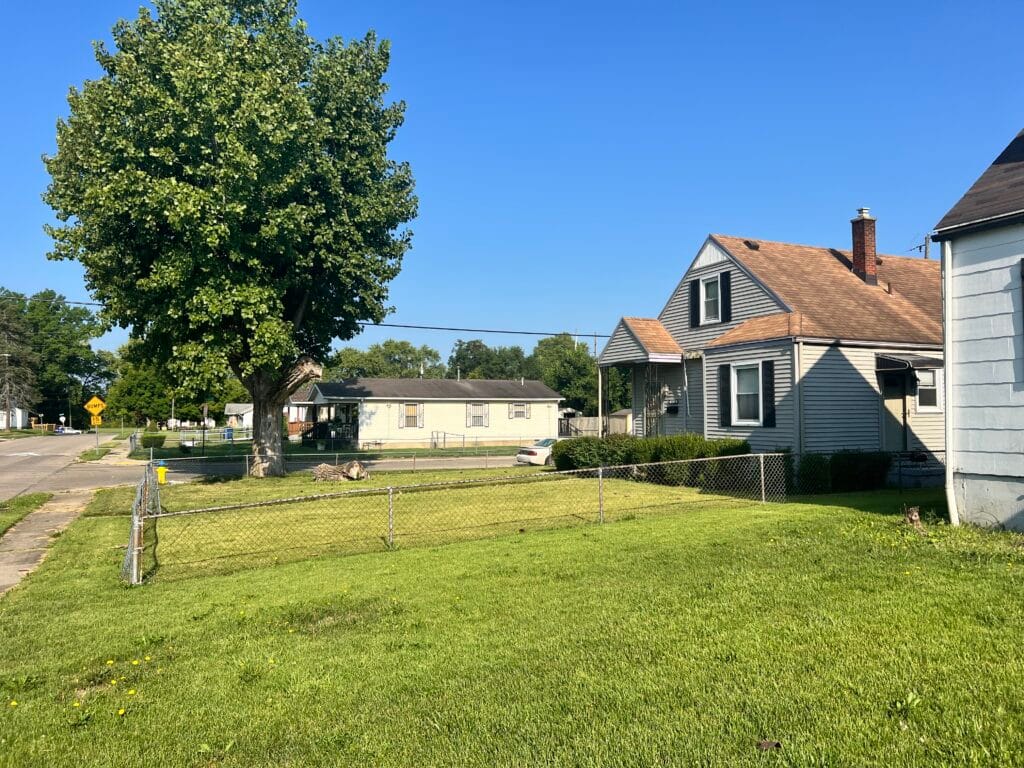
The neighborhood developed gradually along gentle residential blocks where early-century builders constructed small but sturdy homes aimed at working families and local tradespeople. As Dayton grew, Greenwich Village filled in with modest one-and-a-half-story houses, pleasant bungalows, and a scattering of mid-century ranches that expanded the housing stock without overwhelming the character of the area. Today, it remains a pocket that feels anchored in a previous era — quiet sidewalks, familiar faces, and homes built with enough craftsmanship to last generations, yet sized to remain accessible for first-time buyers or renters transitioning into ownership.
Greenwich Village benefits from close proximity to major corridors such as Salem Avenue, Gettysburg Avenue, and Hillcrest Avenue, giving residents quick access to daily services, schools, and employment routes without bringing commercial traffic onto residential streets. Its position between larger neighborhoods means that its blocks are quieter, more insulated, and less densely traveled than areas closer to the main streets. This makes it attractive to buyers who want calm suburban-style living within the convenience of a central-west Dayton location.
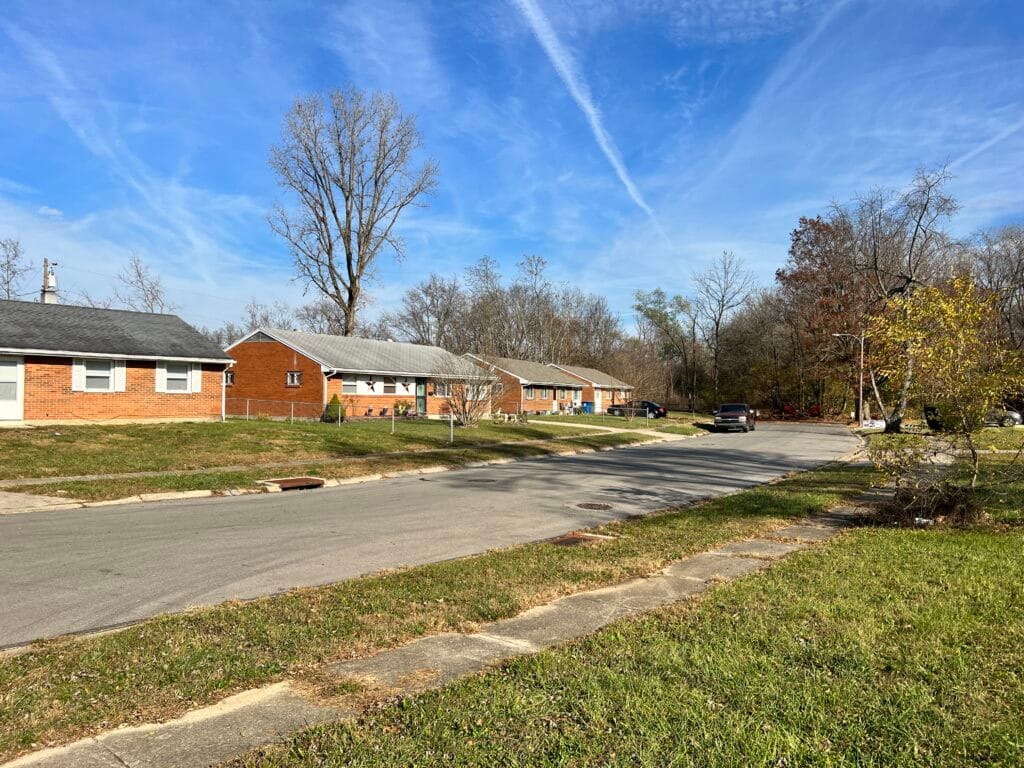
Though not a formally designated historic district, Greenwich Village carries the subtle character of an older, established community. Many homes retain original hardwood floors, crafted wood trim, or brick façades that reflect the common construction standards of Dayton’s early 20th-century neighborhoods. Front porches remain an important architectural feature throughout the area, encouraging the kind of easy neighbor interaction that has shaped the district for decades. As larger west-side neighborhoods evolve around it, Greenwich Village has remained refreshingly consistent, offering buyers a sense of stability that is increasingly difficult to find at this price point.
A Detailed History of Greenwich Village
Greenwich Village originated during the early 1900s as Dayton expanded steadily westward. Much of the land surrounding the neighborhood was still lightly developed farmland or transitional space between early residential hubs like Cornell Heights and larger, more established areas like Lakeview and Fairview. As Dayton’s industrial economy boomed, demand for modest, well-built worker housing increased, and developers began constructing practical, durable homes on the blocks that would become Greenwich Village. These early houses were built with solid framing, plaster walls, deep front porches, and narrow footprints that allowed more families to live within walking distance of transit and emerging commercial corridors.
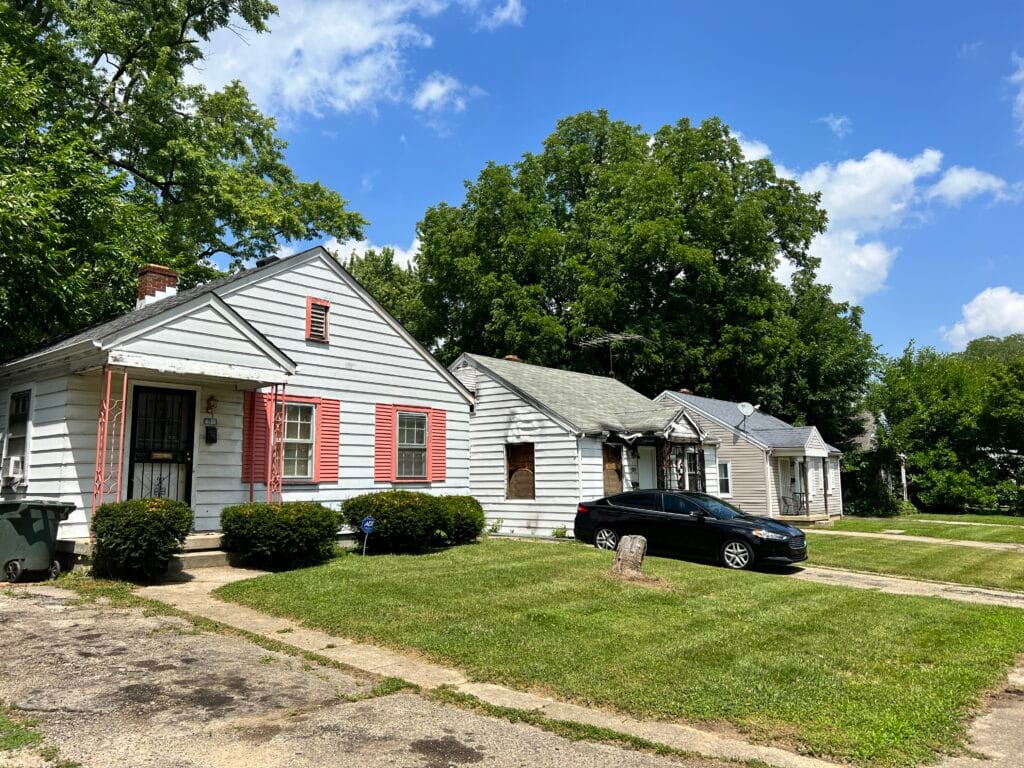
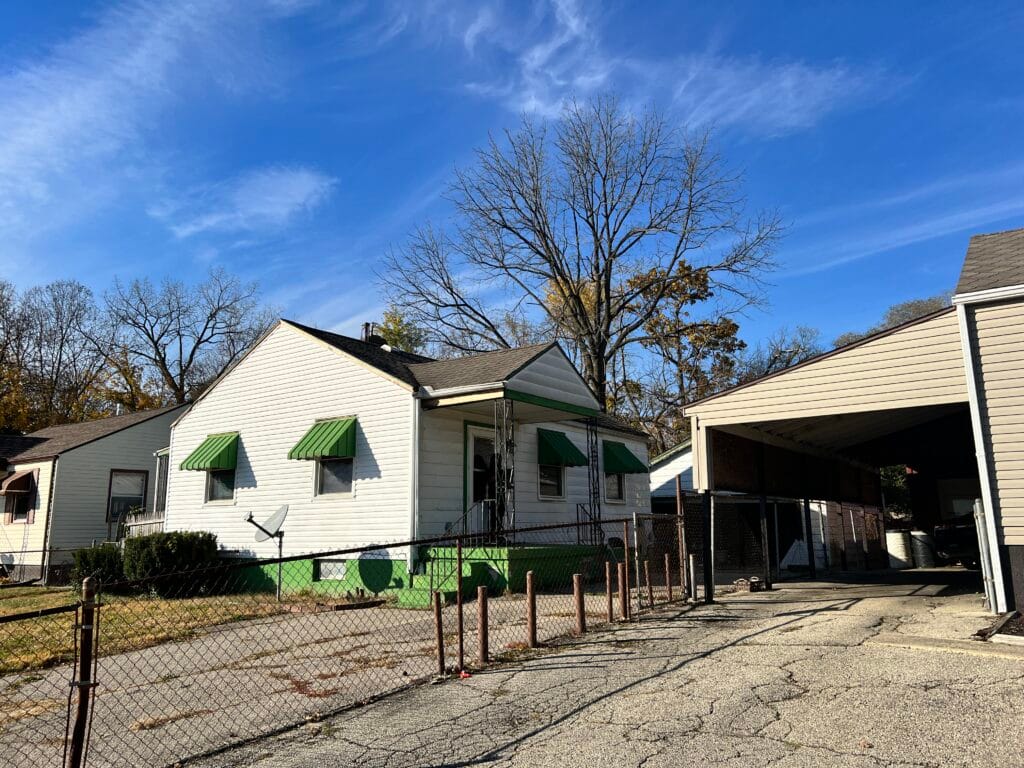
Construction continued through the 1920s and 1930s, when small cottages and minimal traditional homes became common throughout the neighborhood. These structures balanced affordability with charm, often featuring steep rooflines, multi-window dormers, and compact interior layouts oriented around simple but functional living patterns. In the postwar years, mid-century ranch homes were added to previously undeveloped parcels, completing the basic architectural framework that defines the neighborhood today. Although the home styles vary, the overall scale of the homes remained consistent, giving the area a cohesive, human-scaled feel uncommon in newer subdivisions.
The neighborhood’s adjacency to several key corridors shaped its long-term development. Salem Avenue became one of Dayton’s primary commercial spines, bringing retail, restaurants, and services to within a short drive of Greenwich Village. Meanwhile, Hillcrest Avenue and the side streets feeding into the neighborhood maintained their quiet residential identity. The larger surrounding neighborhoods grew and diversified, but Greenwich Village remained primarily composed of single-family homes occupied by long-term residents who valued its quietness and modest charm. The result is a neighborhood where architectural diversity exists within a stable framework, and where changes occur slowly and organically rather than through large redevelopment waves.
Today, Greenwich Village stands as a smaller but meaningful piece of Dayton’s west-side residential landscape. Buyers seeking a quiet pocket without the traffic or density of larger districts often find this neighborhood to be the right balance between affordability, location, and daily livability. The homes retain their early- and mid-century character, the streets remain walkable and peaceful, and the neighborhood offers a sense of continuity that appeals to buyers who want a lasting place to settle.
Architectural Character and Housing Types
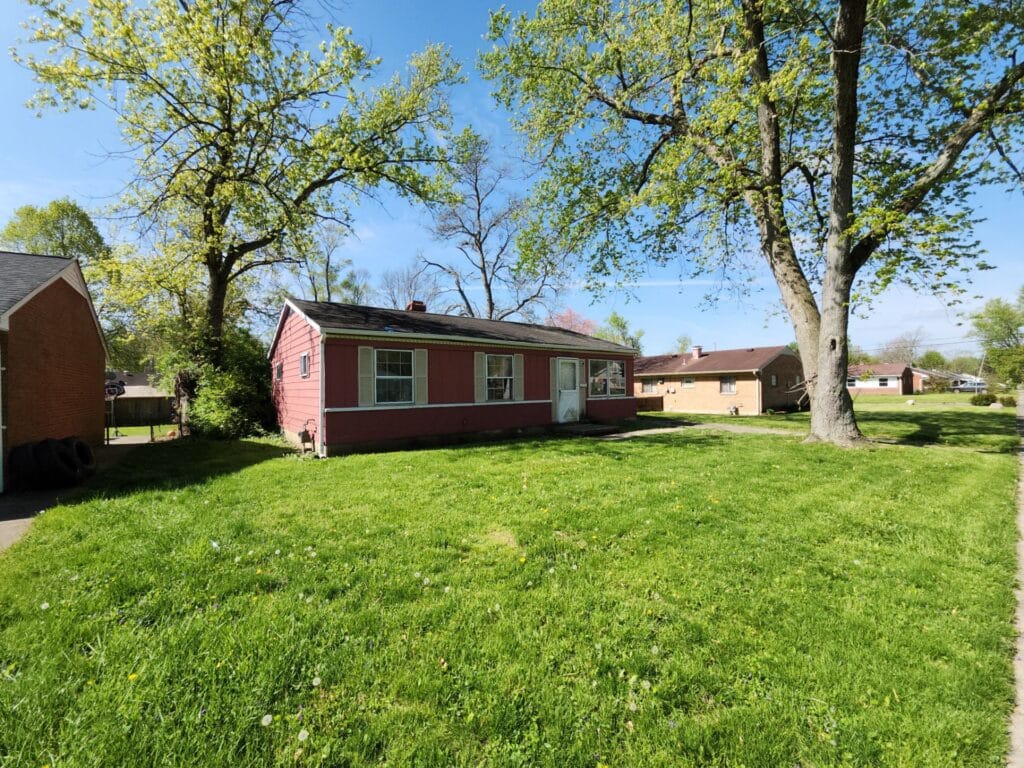
Greenwich Village contains an appealing but understated mix of architectural styles that reflect the neighborhood’s gradual development over several decades. The housing stock does not include the ornate, hand-carved details found in Dayton’s grand historic districts, but it offers something different: homes that were built to be lived in comfortably, maintained affordably, and preserved easily by generations of owners. This practicality is a defining strength of the neighborhood and is one reason it continues to attract steady buyer interest.
Many early 20th-century homes remain in excellent shape thanks to thick plaster walls, original hardwood floors, and simple but sturdy framing techniques. These houses often include generous front porches that create welcoming street views and provide functional outdoor living space. The typical layout includes separate living and dining rooms, an efficient kitchen, and two or three bedrooms positioned on the upper floor or arranged within compact one-level designs. The overall architecture feels consistent without being repetitive, giving the neighborhood a subtle charm appreciated by buyers who prefer authenticity over uniformity.
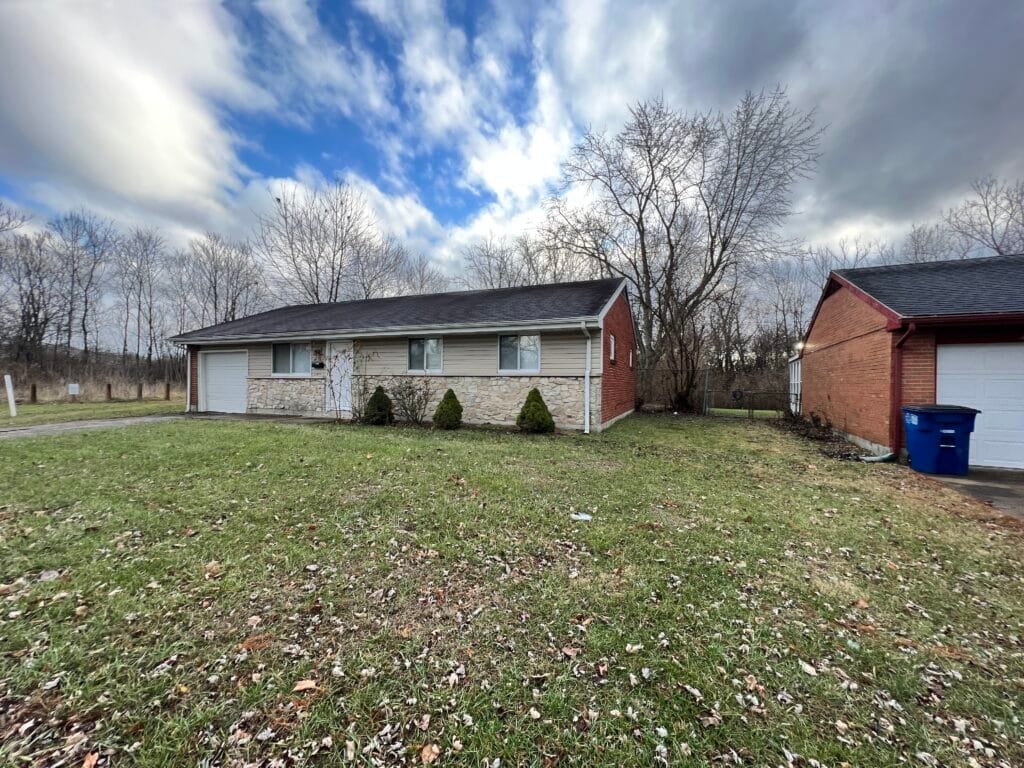
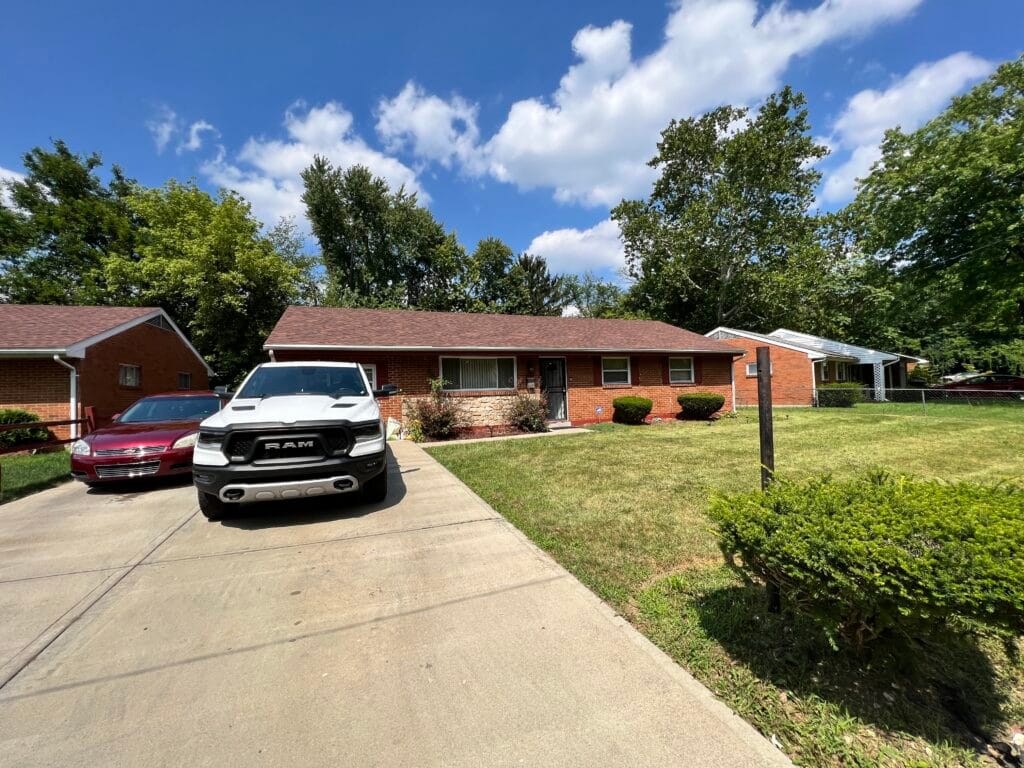
Mid-century ranch homes add another layer of architectural texture. Built during Dayton’s postwar population expansion, these homes introduced one-story living, wider lot arrangements, and more horizontal lines to the neighborhood. While simpler in detail, they offer predictable maintenance, accessible layouts, and flexibility for modern upgrades. Many buyers appreciate that these homes combine affordability with modern convenience, making them excellent options for individuals who want a low-maintenance property within a well-established area.
Throughout the neighborhood, the scale of the homes remains modest, contributing to a cohesive sense of place. No oversized buildings interrupt the skyline, and no major infill projects have replaced the original early- and mid-century housing stock. This allows Greenwich Village to retain the feel of an older, stable community where the built environment has remained relatively unchanged. Buyers can walk the neighborhood and feel the continuity between eras, with each home contributing quietly to the overall character of the area.
Neighborhood Layout and Physical Structure
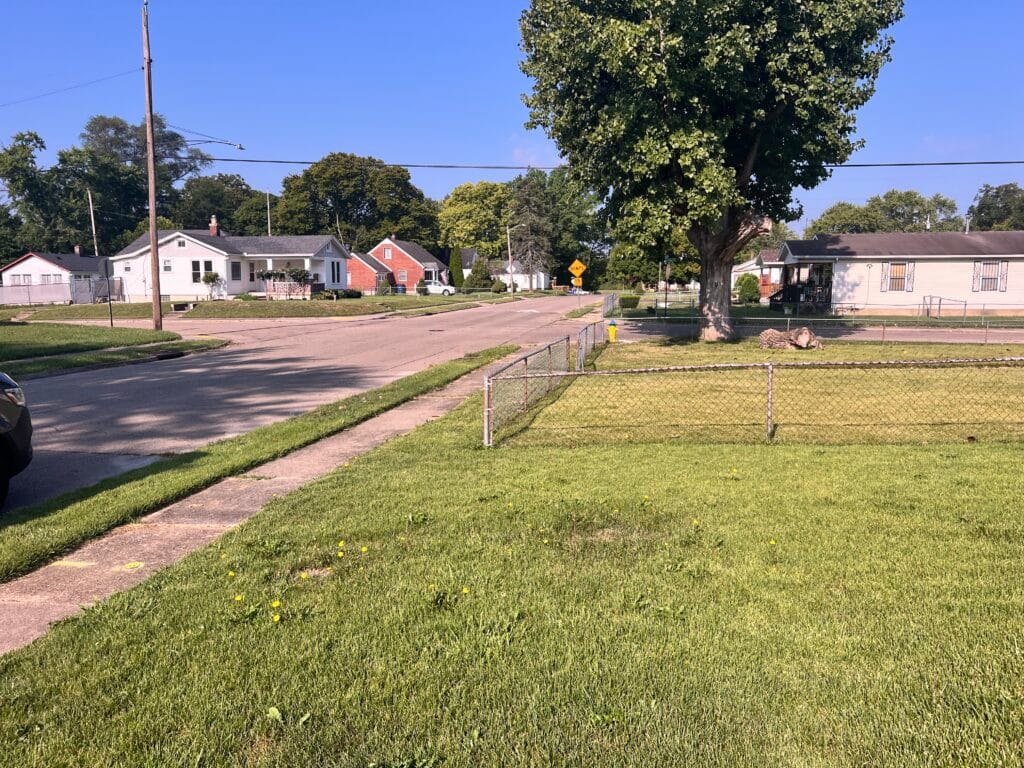
Greenwich Village’s layout reinforces its quiet character. The neighborhood consists of compact residential blocks with mature trees, narrow streets, and sidewalks that make daily activity pleasant and convenient. Because the area developed gradually, the street grid reflects a mix of straight-line segments and gentle angles that break up the monotony often found in modern subdivisions. The smaller lot sizes contribute to a sense of neighborliness while still offering residents enough yard space for gardening, pets, or outdoor relaxation.
The northern portion of the neighborhood includes older properties built closer to the prewar era, while the southern and western edges transition toward mid-century homes. Despite these differences, the overall neighborhood feels cohesive because the architecture shares a similar scale and the streets themselves are uniformly quiet. Long-term residents commonly describe the neighborhood as a place where people look out for one another, where children ride bikes on summer evenings, and where front porches still operate as social gathering points. This rhythm reinforces the sense of stability that draws many buyers here.
Greenwich Village also benefits from its placement between several larger districts. To the northwest lies Fairview, a neighborhood with deeper historical roots and a wider mix of home sizes. To the southwest, Lakeview offers mid-century homes on broader lots, providing another layer of residential stability. To the northeast sits the southern edge of Northern Hills, a neighborhood of simple, solid mid-century homes that mirror many of the traits seen in Greenwich Village. This constellation of adjacent neighborhoods reinforces a broader sense of geographic cohesion, helping Greenwich Village maintain its identity as a small but integral part of Dayton’s west-side residential fabric.
Interior Layouts and Daily Comfort
Greenwich Village homes were designed for daily practicality rather than architectural showmanship, and this purpose-built character remains evident in their interior layouts. Living rooms tend to be comfortable and well-lit, reflecting an era when evenings were often spent at home. Many houses include separate dining rooms that still function well for families or gatherings, and kitchens—though modest in early homes—offer efficient layouts for modern retrofitting or open-concept reconfiguration. Bedrooms are typically arranged on upper floors or along compact single-level designs in mid-century models, giving each home a predictable flow that buyers find easy to live with.
Basements are a common feature throughout the neighborhood, offering additional storage, laundry space, and occasional opportunities for partial finishing. While most basements were not designed with modern recreational spaces in mind, they remain useful and functional components of the homes. Their sturdy construction—often stone or early poured concrete—reflects the building standards of the early and mid-20th century. Buyers who value extra storage or space for hobbies often appreciate these basements in ways renters cannot experience in apartment living.
The interior charm of Greenwich Village comes not from ornate details but from the quiet sturdiness of older homes built with real materials and straightforward intentions. Many buyers find that the combination of hardwood floors, traditional layouts, and manageable square footage creates a sense of home that feels familiar, grounded, and comfortable. Whether a buyer prefers an early-century two-story home or a mid-century ranch, the neighborhood’s interior character supports a relaxed, daily-living rhythm that stands apart from the transient pace of modern construction.
What You Can Buy in Greenwich Village at Different Price Points
Greenwich Village remains one of Dayton’s most accessible west-side neighborhoods, offering a variety of entry points for first-time buyers, renters transitioning into ownership, and individuals seeking manageable homes with predictable maintenance. Unlike larger districts where price ranges can fluctuate dramatically block by block, Greenwich Village maintains a relatively narrow band of home values, giving buyers a stable and transparent sense of what to expect. This consistency is part of the neighborhood’s appeal. It allows buyers to compare homes based on condition, updates, and location within the district, rather than navigating wildly different price brackets for similar structures.
Homes at the upper end of the neighborhood’s price spectrum tend to be early-century houses that have received thoughtful updates over the years. These properties often feature refinished hardwood floors, newer kitchens that respect the home’s original footprint, and bathrooms that blend practical modern touches with classic layouts. Buyers in this range typically find houses that have been well cared for by long-term owners, with maintained roofs, updated mechanical systems, and preserved original trim that gives the home a warm, authentic feel. These homes reflect the neighborhood’s ability to balance affordability with genuine character.
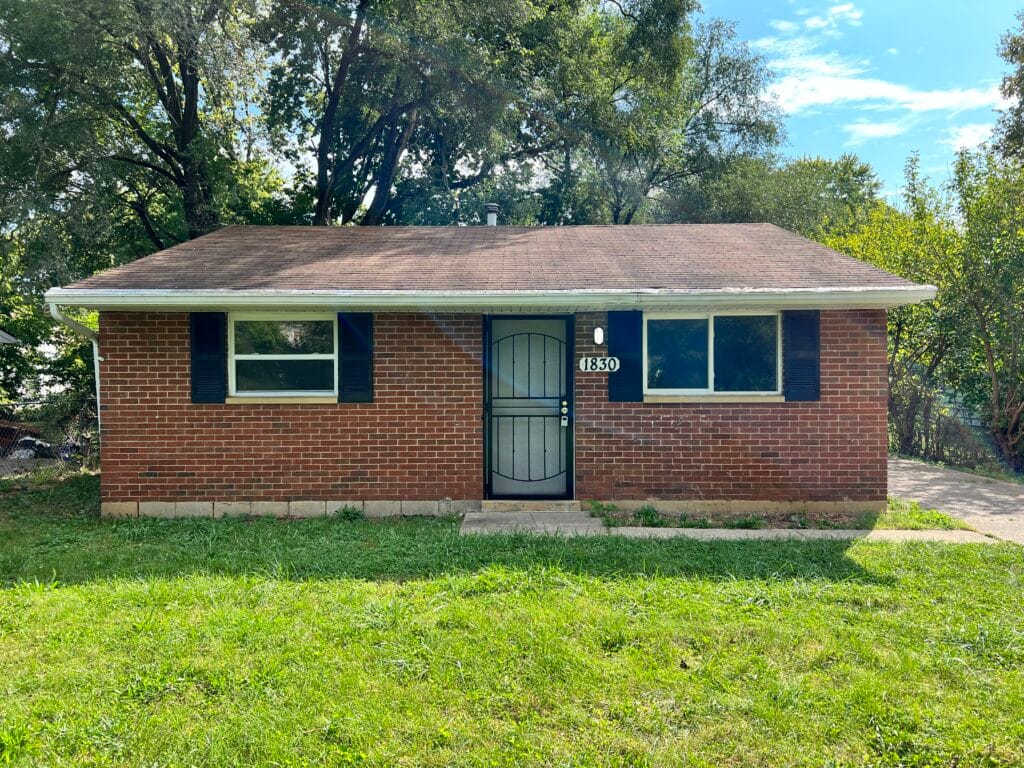
Mid-range properties form the heart of the neighborhood’s real estate market. Often, these are early- or mid-century homes where the major systems are functional but not recently replaced—furnaces approaching mid-life, roofs with several years of service left, and kitchens or bathrooms that may reflect past renovation eras. These homes offer some of the best value in the neighborhood because they allow buyers to move in comfortably while planning updates at a manageable pace. The underlying structures tend to be solid, and the ability to personalize these homes over time appeals strongly to buyers who want to build equity strategically rather than pay top dollar upfront.
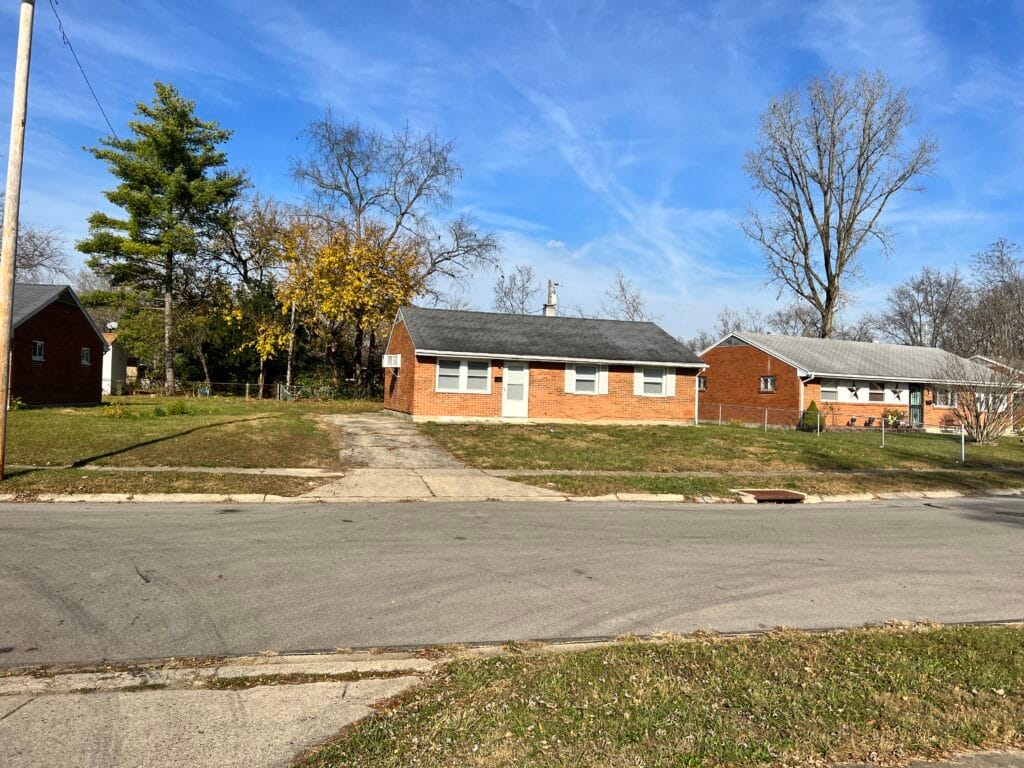
Homes on the lower end of the price range typically require more extensive updates. These properties may have older mechanical systems, outdated kitchens and baths, or cosmetic wear accumulated over years of use. Yet even these homes hold strong potential because Greenwich Village does not suffer from the structural instability or dramatic vacancy patterns seen in less-stable neighborhoods. Buyers who are willing to complete renovations find that these properties offer a straightforward path to equity, especially when the core structural elements—foundations, framing, and exteriors—remain intact. Because the neighborhood’s location is desirable and its overall character steady, buyers can feel confident investing in homes that need work.
Who Greenwich Village Works Best For
Greenwich Village appeals to a wide spectrum of buyers, but it is particularly well-suited for individuals who appreciate a quieter, more grounded living environment without drifting too far from the convenience of Dayton’s major roads and amenity corridors. Many renters exploring the west side of the city find that, when comparing monthly costs, purchasing a home in Greenwich Village often matches or improves upon their current rental expenses—especially with the added benefits of privacy, yard space, and long-term equity growth. This makes the neighborhood an excellent choice for first-time buyers who want a place to settle without taking on the responsibilities of a large or historically complex home.
The neighborhood also resonates with buyers who appreciate homes that have a lived-in, enduring quality. Greenwich Village does not offer the dramatic architectural expressions of Dayton View or Grafton Hill, nor the high-energy cultural scene found in districts like St. Anne’s Hill or the Oregon District. Instead, buyers choose Greenwich Village because they value straightforward, comfortable living. They appreciate that the homes were built during a period when construction emphasized durability and practicality. For many, the charm lies in the small details—original wood trim, classic room arrangements, modest but functional porches—and the knowledge that these houses were built for everyday life rather than as displays of architectural showmanship.
Greenwich Village also serves buyers who want predictable maintenance without giving up the character of older construction. Mid-century ranches provide easy accessibility for individuals who prefer single-level living, while early-century homes offer multi-bedroom layouts that accommodate families or those who work from home. The neighborhood’s manageable home sizes and modest property footprints allow owners to maintain and upgrade their homes without the overwhelming projects often required in larger historic districts. This sense of balance—between character and practicality—makes the area especially appealing for long-term stability.
The neighborhood can also be an excellent choice for buyers who want a calm environment with reliable access to daily needs. Greenwich Village does not carry heavy traffic patterns or noisy commercial corridors running through its interior. Instead, it offers a consistent residential atmosphere while still being minutes away from grocery stores, pharmacies, schools, and major employment routes. Buyers who value peace at home but do not want to drive long distances for every errand find that this location suits them exceptionally well.
Lifestyle Fit and Daily Living
Daily life in Greenwich Village feels grounded, slow-paced, and comfortably familiar. Residents often describe the neighborhood as a place where people tend to stay for years, giving the area a strong sense of continuity. Streets remain calm throughout most of the day, and the presence of mature trees creates a softened, shaded atmosphere during warmer seasons. Many homes have front porches that draw neighbors outdoors during the spring and summer months, creating small pockets of casual social interaction that contribute to a feeling of community without demanding formality. This rhythm of everyday activity helps define the neighborhood’s personality as one built on comfort and connection.
Because the area is primarily residential, the atmosphere stays consistent throughout the week. Even during peak commute hours, traffic remains minimal on interior streets, allowing residents to enjoy quiet mornings and calm evenings without the noise or congestion associated with commercial corridors. Sidewalks encourage walking, whether for exercise, dog walking, or short social visits. Children often play in front yards or go biking along the neighborhood blocks, a testament to the district’s low-traffic nature and the trust long-term residents have in their environment. This sense of ease makes Greenwich Village particularly appealing for individuals who want a peaceful living space within a short distance of Dayton’s more active areas.
Greenwich Village also offers a lifestyle that appeals to residents who value modesty and restraint. The neighborhood is not associated with flashy new construction or rapidly rising home prices, and that is part of its charm. The homes have a quiet dignity rooted in decades of lived experience. For many residents, the neighborhood’s appeal lies in the simplicity of daily life—maintaining a garden, relaxing on the porch in the evening, taking leisurely walks, or enjoying the seasonal changes in the landscape. These elements create a sense of place that is more than the sum of its architectural parts, giving the neighborhood a warm, lived-in feel that buyers often appreciate more deeply once they move in.
Shopping, Amenities, and Local Convenience
Although Greenwich Village itself is almost entirely residential, its location places residents within a short distance of multiple commercial corridors that provide convenient access to daily essentials. Salem Avenue is one of the most important routes in northern Dayton, offering a wide range of grocery stores, pharmacies, local restaurants, and service-oriented businesses. Because of its proximity, residents of Greenwich Village can reach nearly every daily necessity within minutes, often without traveling far enough to encounter major traffic. This kind of strategic location contributes significantly to the neighborhood’s long-term appeal.
Gettysburg Avenue also plays an important role in the community’s convenience structure. As one of the west side’s major arteries, it connects residents to additional retail clusters, fast food chains, fuel stations, and community resources. Whether commuting to work, running an errand, or accessing medical care, Greenwich Village homeowners benefit from a layout that minimizes travel time while preserving the quiet, insulated feel of the interior streets. This balance between convenience and calm is a defining feature that many buyers appreciate when comparing neighborhoods.
Beyond immediate commercial access, the neighborhood also benefits from proximity to schools, community centers, and parks in nearby districts. Though Greenwich Village does not host its own major institutions, its adjacency to larger neighborhoods allows residents to take advantage of nearby facilities without sacrificing residential tranquility. This closeness to resources while maintaining a quiet environment is one of the reasons the neighborhood appeals strongly to both families and individuals who value peaceful living.
Parks, Recreation, and Outdoor Opportunities
Outdoor recreation in Greenwich Village is shaped by the neighborhood’s small but appealing collection of mature trees, walkable street patterns, and adjacency to larger parks and recreation spaces in surrounding districts. While the neighborhood itself does not contain large dedicated parkland, it benefits from being within a short distance of several community parks in Fairview, Northern Hills, and Cornell Heights. This proximity provides residents with access to playgrounds, open fields, and recreational areas without the need to travel across the city.
Many residents find that daily walks through the neighborhood itself are one of Greenwich Village’s greatest recreational assets. The gentle slopes, tree-lined sidewalks, and relaxed traffic create an inviting environment for walking, running, or biking. Because the blocks link naturally with adjacent neighborhoods, residents often expand their walking routes into surrounding areas to enjoy a change of scenery. These habits help create a sense of connection between the different neighborhoods of Dayton’s west side, reflecting the organic way residents use the area beyond formal boundaries.
For homeowners who enjoy yard work, gardening, or outdoor projects, Greenwich Village’s modest lot sizes and mature landscaping provide a manageable canvas. Many homeowners take pride in their yards, contributing to a consistently tidy residential appearance that reinforces the neighborhood’s stable reputation. Whether planting flowers, tending to shrubs, or simply maintaining a well-kept lawn, residents often find that outdoor care becomes part of their personal connection to the neighborhood.
Walkability and Neighborhood Mobility
Walkability remains one of Greenwich Village’s strongest lifestyle features. The neighborhood’s layout encourages residents to travel on foot for exercise, social visits, or short trips toward the edges of the district. Sidewalks run along most of the streets, and the modest block lengths make the neighborhood feel comfortable and accessible for people of all ages. Unlike newer subdivisions with large looping roads or cul-de-sacs, Greenwich Village retains a traditional street grid that naturally supports walking and easy mobility.
The surrounding districts enhance walkability further by offering additional destinations just beyond the neighborhood boundaries. Residents can walk into parts of Fairview or Lakeview for slightly different architectural scenery, or travel toward Salem Avenue for quick errands. Because the neighborhood sits within a network of older, human-scaled residential districts, walking routes feel cohesive rather than disjointed. This makes the area appealing not only to buyers seeking exercise-friendly environments but also to those who simply enjoy stepping outside their homes into surroundings that feel familiar and welcoming.
Public transit access is also available along nearby corridors, providing residents with an additional transportation option. While Greenwich Village is primarily car-oriented due to its residential nature, access to bus routes on Salem or Gettysburg makes commuting to downtown or other parts of Dayton feasible without relying exclusively on a personal vehicle. This flexibility benefits renters transitioning into ownership as well as buyers who prefer to live in neighborhoods with varied mobility options.
Inspection Expectations and Common Findings in Greenwich Village Homes
Because Greenwich Village is composed almost entirely of early- and mid-20th-century homes, buyers should approach inspections with an understanding of what is normal for properties from this era. These homes were built with robust materials—plaster walls, hardwood floors, dimensional lumber framing—but they have also weathered decades of seasonal shifts and homeowner modifications. Inspection reports often reflect age rather than dysfunction, and buyers who understand this distinction tend to feel more confident and less overwhelmed during the purchase process. The homes in this neighborhood may lack the ornate details of larger historic districts, but they share the same structural qualities that define early Dayton housing: resilience, durability, and a capacity for predictable long-term maintenance.
Mechanical systems form a major component of most inspection findings. Furnaces and air-conditioning units may be nearing the end of their expected lifespan, especially in mid-century ranches where mechanicals were updated sporadically over the years. Water heaters may show signs of age or reduced efficiency, and ductwork can benefit from sealing or simple repositioning to improve airflow. These issues are common and manageable, and because the homes in Greenwich Village are relatively small, the cost of replacing or updating mechanical systems tends to be far less burdensome than in larger historic properties. Buyers should expect to schedule phased updates over a period of years rather than rushing to complete everything immediately.
Electrical systems often reflect multiple renovation eras layered on top of one another. Many homes have received partial updates, resulting in a mixture of older wiring and modern improvements. Buyers may encounter ungrounded outlets, older electric panels with limited capacity, or fixtures wired decades ago. These are not unusual findings for a neighborhood of this age and are generally addressed without major reconstruction. Because the homes are modest in scale, electrical modernization can be completed efficiently and with strong long-term value. In many cases, these upgrades also create opportunities to enhance lighting, replace outdated fixtures, and improve convenience for contemporary living.
Plumbing systems tell a similar story. Some properties may still have galvanized supply lines or older cast-iron drain stacks that show signs of interior scaling. Others may feature patchwork upgrades where previous owners replaced segments of piping during kitchen or bathroom remodels. Slow drains, aging shutoff valves, and fixture wear are common but manageable issues. Buyers who understand these typical patterns often view plumbing updates as part of normal homeownership rather than obstacles. Because the homes are smaller, comprehensive plumbing improvements—when needed—are usually far more affordable than in larger early-century districts.
Basements, Foundations, and Structural Stability
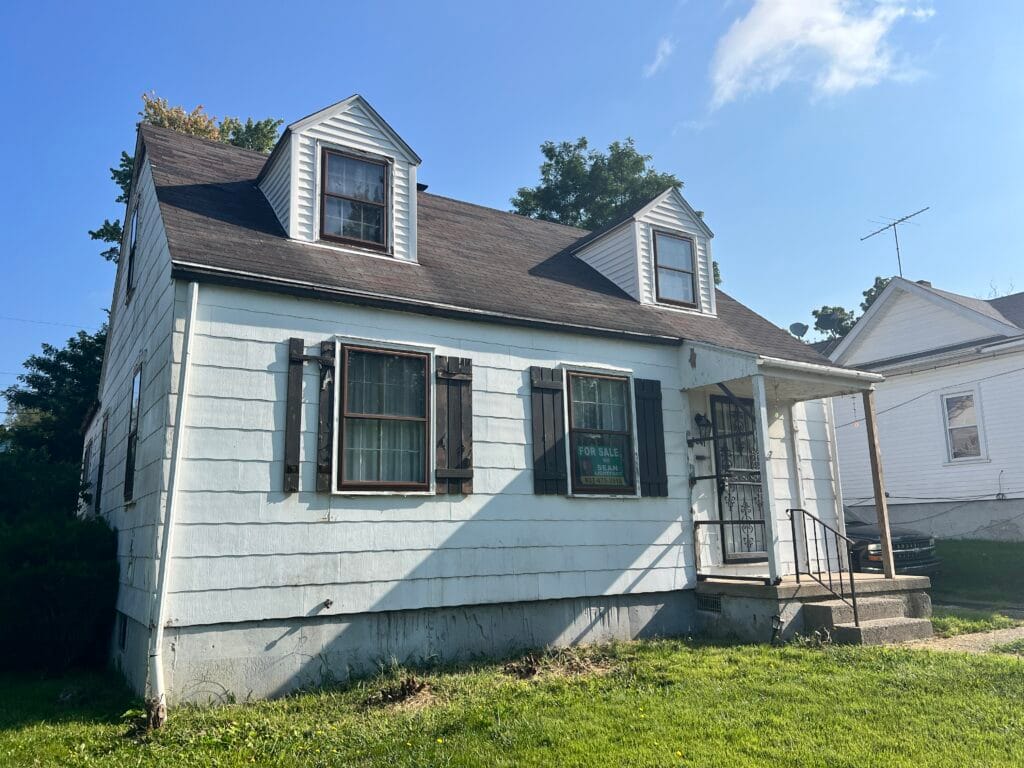
One of the strengths of Greenwich Village is the overall structural stability of its housing stock. The early-century homes were built on solid stone, block, or poured-concrete foundations, and these materials have proven durable over time. Inspection reports may note hairline cracks, evidence of moisture during heavy rain, or efflorescence on basement walls, but such findings are typically normal for homes of this age. Buyers accustomed to modern construction may find these reports surprising, yet the overall patterns demonstrate that the homes are steady and structurally sound. Basement improvements, such as installing downspout extensions or sealing minor cracks, often go a long way toward maintaining long-term dryness and usability.
The neighborhood’s mid-century homes are built on poured-concrete foundations that generally hold up well under modern use. These basements often provide ample storage and occasionally present opportunities for partial finishing, though moisture control remains an important consideration. Because most basements were not originally designed as living spaces, buyers tend to use them for laundry, storage, workshops, or seasonal items. Many homeowners find that these basements add considerable utility to houses that would otherwise feel small if limited to their main floors.
Exterior structures such as porches, steps, and railings also appear frequently in inspection reports. Wooden porch floors may require resurfacing, support posts may need minor stabilization, and railings may need reinforcement or replacement to meet modern safety standards. These issues, while common, are generally straightforward to address and can significantly improve curb appeal. Given the importance of front porches in the neighborhood’s architectural identity, many buyers choose to invest early in porch restoration as a way to enhance both aesthetics and livability.
Roofs, Siding, and Exterior Maintenance
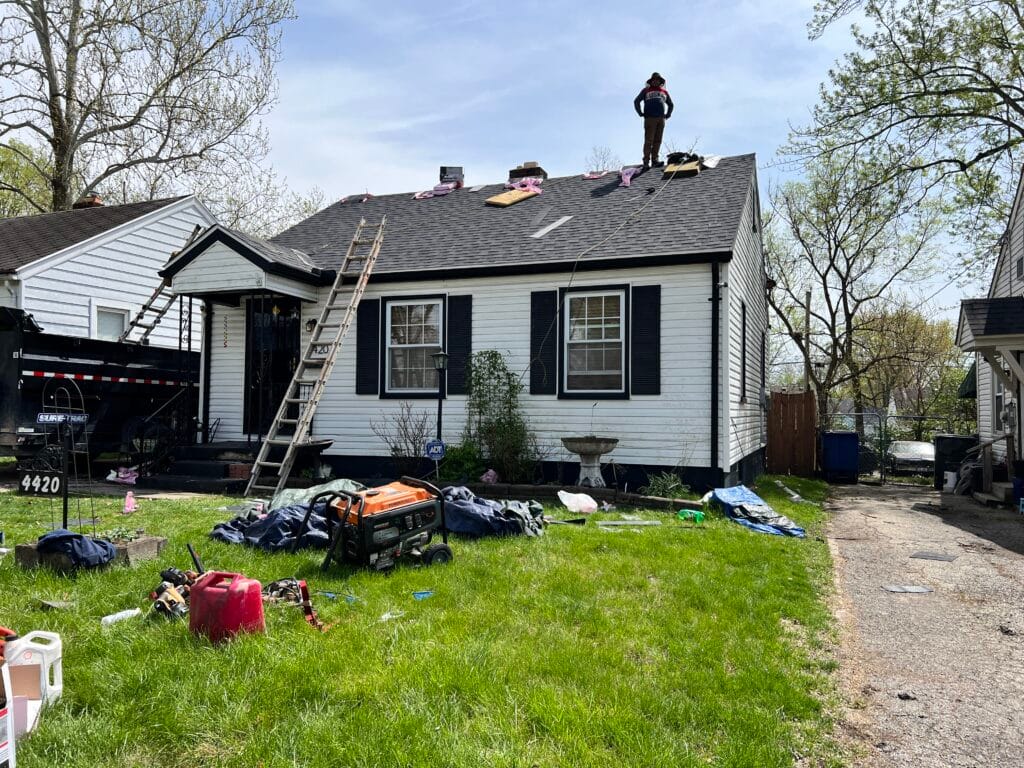
Roofing in Greenwich Village varies according to the era of construction. Early-century homes typically feature gabled roofs originally built with wood shingles or early asphalt materials, many of which have since been replaced with modern architectural shingles. Mid-century ranches often have simpler rooflines but may show signs of age in flashing, gutters, or downspouts. Inspection notes frequently highlight opportunities for improved water management, particularly in areas where landscaping has shifted over decades. Because roof replacement costs are proportional to home size, many Greenwich Village properties remain accessible even when full roof replacement is necessary.
Siding materials also reflect the neighborhood’s layered history. Early homes often feature original wood siding hidden beneath later additions such as aluminum or vinyl. Inspection reports may identify areas where siding has loosened, where trim requires scraping or paint, or where masonry needs minor repair. Mid-century homes generally rely on aluminum or vinyl siding that has weathered well but may show wear or minor dents from decades of exposure. These exterior conditions rarely indicate serious structural problems and are instead part of the regular maintenance rhythm buyers should expect in a neighborhood of this vintage.
Windows vary widely by renovation era. Some homes still feature original wood-framed windows that require glazing or weatherproofing, while others have received vinyl replacements offering improved energy efficiency. Buyers with a preservation mindset may appreciate the original craftsmanship of older windows, while those seeking modern comfort may plan for gradual upgrades. Because the homes are modest in size, window replacement tends to be far more affordable here than in larger early-century neighborhoods.
Yards, Landscaping, and Drainage Considerations
Yards in Greenwich Village tend to be manageable and practical, reflecting the modest scale of the homes themselves. Most lots provide enough space for gardening, small patios, children’s play areas, or outdoor seating without overwhelming homeowners with maintenance responsibilities. Mature trees offer seasonal shade and contribute to the neighborhood’s established character, but they can also create minor drainage or root issues that appear in inspection reports. Buyers should expect occasional grading improvements, downspout adjustments, or minor walkway repairs. These issues are common in older neighborhoods and create opportunities for homeowners to shape their outdoor spaces gradually over time.
Because Greenwich Village is not built on steep hills or dramatically sloped terrain, drainage tends to be manageable with routine maintenance. Inspectors may note areas where soil slopes toward the home rather than away from it, or where gutters need cleaning to prevent overflow during heavy rains. Correcting these issues typically requires simple, low-cost adjustments, such as extending downspouts or regrading small sections of lawn. Buyers who understand these patterns often feel reassured by the predictability of the neighborhood’s environmental conditions.
Long-Term Appreciation and Market Strength
Greenwich Village may not experience the dramatic appreciation seen in Dayton’s premier historic districts, but its long-term market performance is steady, predictable, and supported by practical factors that appeal to a wide range of buyers. The neighborhood’s consistent housing stock, manageable property sizes, and proximity to major corridors create a stable base of demand. Even during market fluctuations, homes in this area tend to sell reliably because they offer an attractive combination of affordability and functionality, especially for first-time buyers seeking alternatives to rental living.
One of the neighborhood’s quiet strengths is the reliability of its buyer pool. Year after year, renters from surrounding neighborhoods—Fairview, Cornell Heights, Lakeview, and Northern Hills—look to Greenwich Village as a logical next step in their housing journey. This steady inflow of potential buyers helps support home values over time. Additionally, the neighborhood’s small footprint means that inventory remains limited, preventing the market from being oversaturated even when regional supply increases. This scarcity, combined with affordability, reinforces long-term value.
Renovated homes tend to appreciate most strongly, especially properties that retain original hardwood floors, classic trim, or early-century layouts while offering modern kitchens, updated bathrooms, and refreshed mechanical systems. Because the homes are modest in scale, renovation costs are often lower relative to potential resale gains, creating opportunities for buyers who want to build equity through thoughtful improvements. Over time, these upgraded homes help elevate the neighborhood’s overall desirability while preserving its foundational character.
Ideal Renter-to-Buyer Pathways
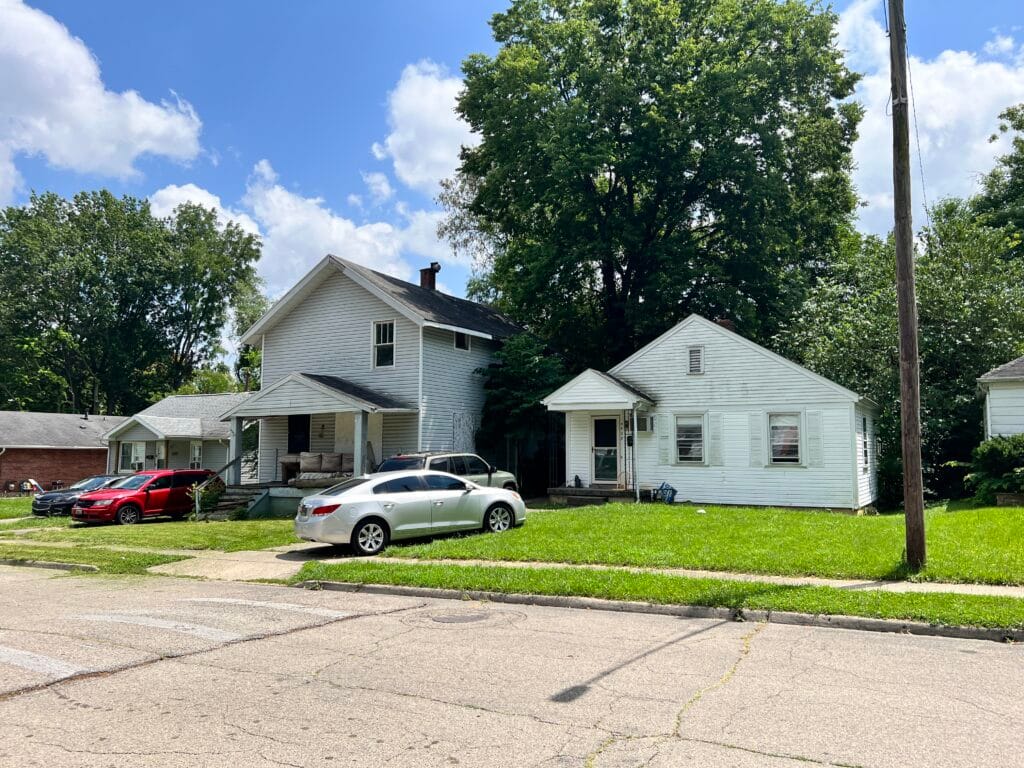
Greenwich Village naturally attracts renters who are ready to transition into homeownership. The neighborhood’s housing stock sits at a price point that often makes mortgage payments comparable to local rents, creating a clear financial incentive. Many renters discover that purchasing a two- or three-bedroom home in this area costs less each month than renting an apartment with far less space and privacy. This dynamic is one of the strongest forces driving demand in the neighborhood and contributes significantly to its reputation as a gateway into homeownership on Dayton’s west side.
The neighborhood’s modest lot sizes and practical layouts make it ideal for renters purchasing their first home. These homes do not require the extensive upkeep associated with larger historic properties, and many upgrades can be completed gradually. Buyers can move in comfortably while planning improvements over time, allowing them to build equity without feeling burdened by immediate major investments. Because the homes are structurally sound and predictable in design, first-time buyers can navigate inspections and updates more easily than in neighborhoods with larger or more complex houses.
Greenwich Village also appeals to renters seeking a quieter lifestyle. The neighborhood offers significantly more privacy and stability than many apartment complexes, and the presence of yards, porches, and tree-lined streets creates a more grounded and peaceful living environment. For many renters, this lifestyle shift—gaining private space, reducing noise, and settling into a neighborhood rhythm—provides the emotional and practical incentive to take the step into homeownership.
How Dayton Proper Helps Buyers Navigate Greenwich Village
Because Greenwich Village is modest in scale and architecture, buyers benefit from working with professionals who understand the nuances of early- and mid-century residential construction. Dayton Proper brings this expertise directly into the home search process, helping buyers interpret inspection findings, distinguish normal age-related attributes from genuine concerns, and evaluate which homes offer the best long-term potential. This guidance is especially valuable for first-time buyers who may be unfamiliar with the rhythms and responsibilities of homeownership.
Dayton Proper’s hyperlocal knowledge also allows buyers to compare Greenwich Village to nearby districts. For example, Fairview offers more inventory and architectural diversity, while Lakeview provides larger mid-century homes with broader lots. Cornell Heights carries a slightly older character, whereas Northern Hills features cleaner mid-century lines and a more suburban feel. By understanding these differences, buyers can navigate the broader west-side landscape more confidently and identify which neighborhood aligns most closely with their lifestyle and long-term goals.
Additionally, Dayton Proper’s approach emphasizes practical decision-making tailored to each buyer’s comfort level. Some individuals may prioritize updated mechanical systems, while others may seek original charm or renovation potential. By combining structural understanding with lifestyle matching, Dayton Proper helps buyers choose homes that feel both financially sound and emotionally aligned with their personal preferences.
Daily Living, Community Feel, and Neighborhood Identity
Greenwich Village is a neighborhood built on quiet routines and steady rhythms. Residents often describe the area as a place where people know one another, where families have lived side by side for decades, and where newcomers feel welcomed without being overwhelmed by busy social dynamics. The small scale of the neighborhood encourages familiarity, and the way the streets are laid out—lined with modest homes and mature trees—creates an environment that feels settled and peaceful.
Life in Greenwich Village often revolves around simple pleasures. Morning walks, weekend yard work, conversations across porches, and children playing in the front yard form the everyday snapshots that define the area. The neighborhood does not rely on scheduled events or coordinated activities to create community; instead, the sense of belonging emerges from long-term presence and daily interactions. For many buyers, this type of environment offers a refreshing alternative to more transient or rapidly changing parts of the city.
The neighborhood’s identity is also tied to the pride residents take in maintaining their homes. While the houses are modest, they are often cared for thoughtfully, creating a cohesive visual landscape. Lawns are trimmed, porches are decorated seasonally, and exterior improvements are completed gradually but consistently. This collective pride contributes to the neighborhood’s long-term stability and helps sustain property values over time. Buyers who settle here often find themselves drawn into this quiet culture of care, discovering the satisfaction of contributing to a neighborhood that values its residential character.
Comparing Greenwich Village to Surrounding Neighborhoods
Greenwich Village occupies a unique position among Dayton’s west-side neighborhoods because it blends aspects of several adjacent districts while maintaining its own identity. Compared to Fairview, it is smaller and more contained, offering a quieter, more intimate environment. Fairview’s architecture is more varied and its footprint larger, making Greenwich Village appealing to buyers who prefer simplicity and consistency. Lakeview, on the other hand, offers broader lots and more mid-century homes, giving it a slightly more suburban feel. Buyers who want a calmer, more compact neighborhood often find Greenwich Village more fitting.
Cornell Heights and Northern Hills provide additional points of comparison. Cornell Heights features a slightly older housing stock with deeper early-century roots, while Northern Hills presents a cleaner mid-century aesthetic with many single-story homes. Greenwich Village sits comfortably between these two identities, offering older charm without the more intense renovation demands of early 1900s houses, and mid-century convenience without the broader, more open layouts of later developments. This middle-ground identity makes it a flexible option for a wide variety of buyers.
For individuals comparing neighborhoods based on affordability, Greenwich Village tends to be more accessible than many districts on the east or south sides of Dayton, while still offering the stability and character associated with established west-side communities. This combination of price, location, and consistent residential atmosphere gives the neighborhood a niche appeal that resonates strongly with first-time buyers.
Expanded Internal Links Across Dayton Neighborhoods
Buyers exploring Greenwich Village often compare it to several other nearby districts. To assist with this process, Dayton Proper provides detailed neighborhood guides that offer deeper insight into each area’s housing stock, lifestyle patterns, and long-term value. Readers can explore:
Fairview
Lakeview
Cornell Heights
Northern Hills
All Dayton Neighborhood Guides
Next Steps for Buyers Considering Greenwich Village
Greenwich Village offers a balanced, practical, and quietly appealing environment for buyers seeking a stable place to live. Its mix of early- and mid-century homes, manageable maintenance requirements, and proximity to major corridors make it an ideal starting point for many first-time homeowners. The neighborhood’s calm atmosphere, walkability, and comfortable daily rhythm create a sense of belonging that deepens over time, while its affordability provides a clear financial advantage for those transitioning from rental living.
Buyers interested in exploring Greenwich Village can begin by walking the neighborhood’s streets to experience its atmosphere firsthand. Touring available homes, evaluating interior layouts, and considering renovation opportunities often helps buyers gain a deeper appreciation for the neighborhood’s character. With the guidance of Dayton Proper, prospective homeowners can navigate the purchase process with confidence, clarity, and a clear understanding of long-term value.
Begin your Greenwich Village home search today.
Visit: https://buy.daytonproper.com