
Dayton investment properties; For the modern real estate investor, the difference between a “cash cow” and a “money pit” often comes down to a few percentage points in a spreadsheet. In the Dayton, Ohio market—where property values and rental demand vary wildly from neighborhood to neighborhood—precision is your greatest asset. While your competitors are relying on “gut feelings,” the most successful investors are using data-driven tools like the Ingram Rental Calculator to make decisions in seconds.
Why Manual Deal Analysis is a Risk to Your Portfolio of Dayton Investment Properties
Many investors still rely on the “1% Rule” or back-of-the-napkin math. While these are helpful for a five-second filter, they are dangerous foundations for a five-figure investment. Manual analysis is prone to human error and, more importantly, “optimism bias.” We want the deal to work, so we underestimate maintenance or forget to account for Dayton’s specific property tax assessments.
The Ingram Rental Calculator was developed to remove emotion from the equation. By providing a standardized framework for every property—whether it’s a duplex in Old North Dayton or a suburban ranch in Beavercreek—you ensure that every acquisition meets your strict ROI criteria.
Understanding the Core Metrics: Beyond the Basics
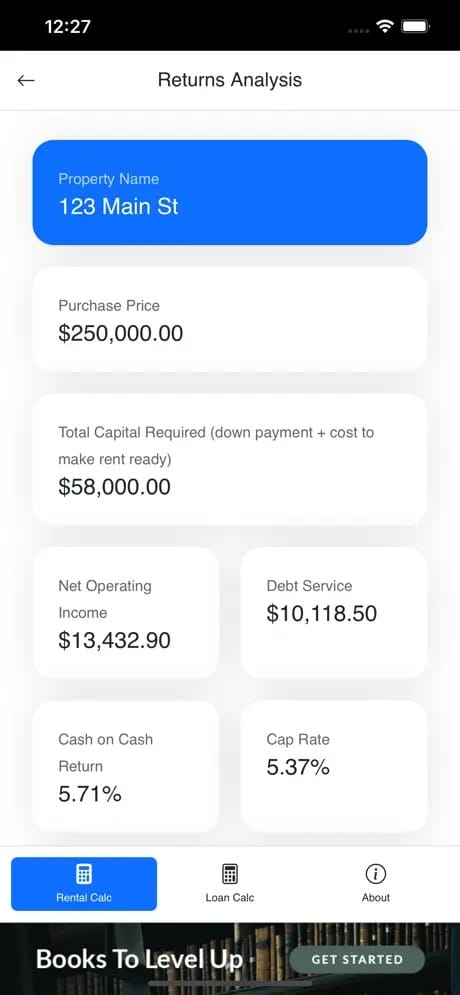
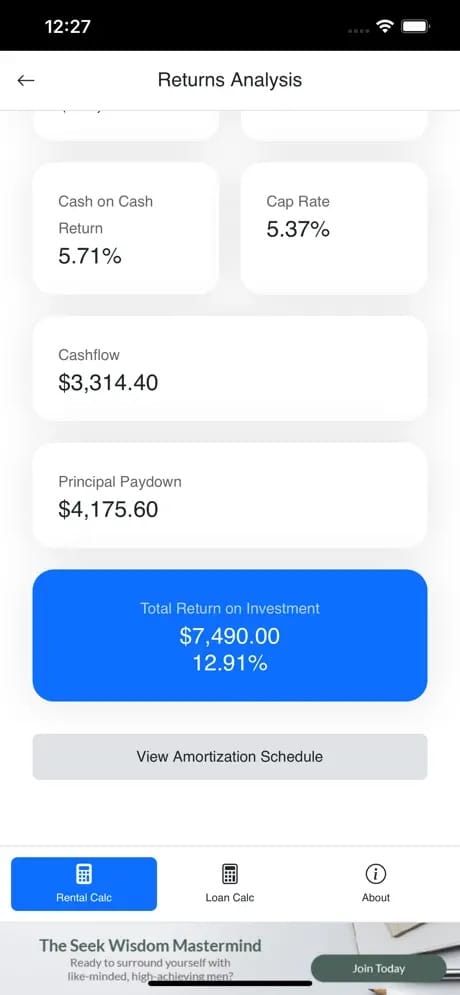
To use the calculator effectively, you must understand the metrics it produces. Our app doesn’t just give you a “yes” or “no”; it provides a deep dive into the financial health of the asset.
1. Capitalization Rate (Cap Rate)
The Cap Rate is the rate of return on a real estate investment property based on the income that the property is expected to generate. It is calculated by dividing net operating income (NOI) by the property asset value. In Dayton, we typically see Cap Rates ranging from 6% to 10% depending on the asset class. The Ingram Rental Calculator allows you to see the “Unleveraged Return,” which is vital if you are a cash buyer.
2. Cash-on-Cash Return (CoC)
This is arguably the most important metric for investors using financing. It measures the annual cash return you get on the actual cash you’ve “outlaid.” If you put $30,000 down on a $120,000 house in Kettering, the CoC return tells you how that $30,000 is performing compared to a stock market index fund.
3. Internal Rate of Return (IRR)
Advanced investors look at the IRR to estimate the profitability of potential investments over a longer holding period. The Ingram Rental Calculator accounts for time-sensitive variables, giving you a clearer picture of your 5-year and 10-year wealth-building trajectory.
Step-by-Step: Analyzing a Dayton Property with the Ingram App
Let’s walk through a hypothetical deal. Imagine a single-family home in Huber Heights listed for $165,000. Here is how you would use the app to determine its viability.
- Purchase Price & Closing Costs: Input the $165,000. Don’t forget to add roughly 2-3% for closing costs—the app has a field specifically for this.
- Renovation Budget: If the property needs a roof or cosmetic updates, enter that here. This is crucial because it increases your “Initial Cash Outlay,” which lowers your Cash-on-Cash return.
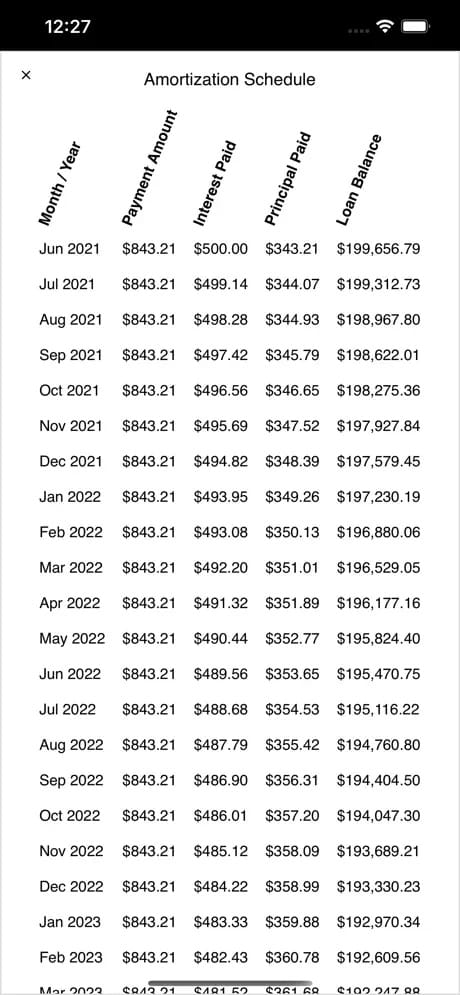
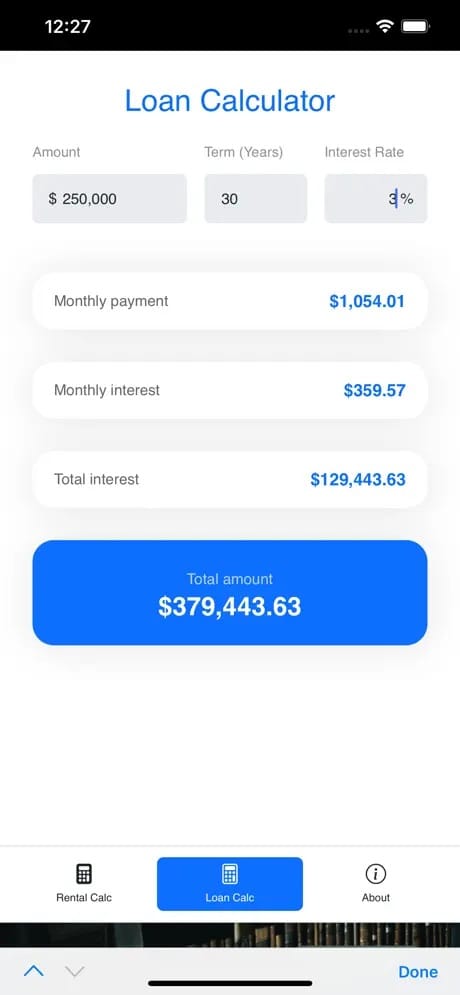
- Financing Details: Enter your interest rate and down payment percentage. With current market fluctuations, you can toggle these numbers in the app to see how a 1% change in interest rates affects your monthly cash flow.
- Operating Expenses: This is where the Ingram Rental Calculator shines. You can input specific figures for Dayton property taxes, insurance, and professional property management fees.
The “Hidden” Dayton Variables You Can’t Ignore
Dayton is a unique market. What works in Columbus or Cincinnati doesn’t always apply here. To get 100% accuracy out of your calculator, you must account for these local factors:
Vacancy Rates in Montgomery County
While national averages might sit at 5%, certain pockets of Dayton might experience 8% or 10% turnover depending on the school district. We recommend a “Stress Test” approach: run your numbers at 5% vacancy, then 10%. If the deal still cash flows at 10%, it’s a winner.
Maintenance and CapEx (Capital Expenditures)
Dayton has a wealth of beautiful, older homes. However, older homes mean older systems. The Ingram Rental Calculator allows you to set aside a “Reserve” percentage. For Dayton’s historic stock, we suggest setting your maintenance reserve at 10-12% to account for unexpected plumbing or HVAC issues common in older builds.
How to Leverage Your Analysis to Win More Deals
In a seller’s market, speed is everything. When you walk through a property with a Realtor, you don’t have time to go home and open a laptop. By having the Ingram Rental Calculator on your iPhone or Android, you can generate a PDF report of the deal before you even leave the driveway.
Pro Tip: Use the “Share” feature in the app to send your analysis directly to your lender. Showing a bank that you have a professional-grade ROI breakdown makes the financing process significantly smoother.
Integration: Analysis is Step One, Management is Step Two
Calculating the ROI is just the beginning. The “Actuals” of your investment will only match your “Projections” if the property is managed correctly. This is why we integrated the logic of professional management into the calculator itself.
By accounting for professional management fees in your initial calculation, you are building a passive income stream rather than a second job for yourself. At Dayton Proper, we see many investors who “self-manage” to save money, only to realize their ROI drops due to higher vacancy and legal mistakes that a professional firm would have avoided.
Download the Ingram Rental Calculator Today
Stop leaving your financial future to chance. Join the hundreds of Dayton investors who have streamlined their workflow and protected their capital using our app.
Download for iOS (Apple App Store)
Download for Android (Google Play Store)
Conclusion: Data Always Wins
The real estate landscape is changing. With fluctuating interest rates and evolving local regulations in the Dayton area, the “old ways” of analyzing property are gone. The Ingram Rental Calculator gives you the power of a full-scale investment firm in the palm of your hand. Analyze more deals, make more offers, and build a portfolio that stands the test of time.
Looking for a partner to help you execute the deals your calculator identifies? Contact Dayton Proper today for a comprehensive management consultation.
Strategic Protection: Specialized Insurance for the Dayton Investor
In your ROI calculations, “Insurance” is often just a single line item. However, for a serious investor, the type of insurance you carry is just as important as the amount you pay. Standard homeowners policies often fall short when a property is non-owner occupied, leaving you exposed to massive liability and loss of income risks.
This is where Ingram Insurance Group provides a competitive edge. As independent agents specializing in the Dayton metro area, they understand the local risks—from historic home plumbing issues to the specific weather patterns of Montgomery County. They don’t just sell policies; they build financial safety nets that protect the ROI you worked so hard to calculate.
Working with a specialized agent ensures you aren’t over-insured on low-risk assets or dangerously under-insured on high-liability multi-family units. If you want to dive deeper into how to structure your protection, we highly recommend reading the definitive book on the subject: Rental Property Insurance: An Investor’s Guide to Insurance. This guide bridges the gap between real estate investing and risk management, ensuring you never buy the wrong policy for your strategy again.
Frequently Asked Questions: Rental Property ROI & Analysis
To help you master the math behind your portfolio, here are the most common questions we receive from Dayton investors using the Ingram Rental Calculator.
1. What is a “good” ROI for a rental property in Dayton?
While this varies by investor, most Dayton pros look for a Cash-on-Cash return of at least 8-12%. Because Dayton offers lower entry prices than Columbus or Cincinnati, it is often possible to find higher yield “cash cows” if you are willing to manage them effectively.
2. What is the difference between Cap Rate and Cash-on-Cash return?
Cap Rate measures a property’s profitability without considering financing (as if you paid all cash). Cash-on-Cash (CoC) measures the return on the actual cash you invested, including the impact of your mortgage. CoC is usually the more relevant number for investors using leverage.
3. How much should I budget for maintenance in the calculator?
For newer builds, 5-8% of the gross rent is a safe estimate. For Dayton’s older, historic inventory, we recommend a more conservative 10-15% to account for high-ticket items like slate roofs or aging galvanized plumbing.
4. Should I include property management fees even if I plan to self-manage?
Yes. Always. Even if you manage the property yourself today, you should build a “passive” investment. If the deal doesn’t work with a 10% management fee included, you haven’t bought an investment—you’ve bought a part-time job.
5. What is the “1% Rule” and does it apply in Dayton?
The 1% Rule suggests a property should rent for 1% of its purchase price per month. In many Dayton neighborhoods, you can still find “2% deals,” but be careful—high-yield often comes with higher tenant turnover or maintenance needs.
6. How does the Ingram Rental Calculator handle “CapEx”?
The app includes a specific field for Capital Expenditures (CapEx). This allows you to set aside money every month for long-term “big ticket” items like roofs, HVAC systems, and water heaters so you aren’t hit with a surprise $10,000 bill.
7. Does the app account for Dayton’s specific property taxes?
Yes. You can input custom tax figures. Note: Montgomery County re-evaluates properties periodically, so always use the most recent “Assessed Value” for your calculations.
8. Can I use the calculator for multi-family units?
Absolutely. Simply aggregate the total monthly rent for all units and input the combined expenses (water, trash, etc.) that the landlord is responsible for. The app will calculate the ROI for the entire asset.
9. What is “Net Operating Income” (NOI)?
NOI is your total income minus all operating expenses (taxes, insurance, management, maintenance) before you pay your mortgage. It is the core number used to determine the property’s value.
10. Is it better to have high cash flow or high appreciation?
In Dayton, we typically invest for cash flow. While some areas like Oakwood or Beavercreek see steady appreciation, the “Dayton Strategy” is generally built on monthly income. Use the calculator to ensure your cash flow stays positive regardless of market swings.