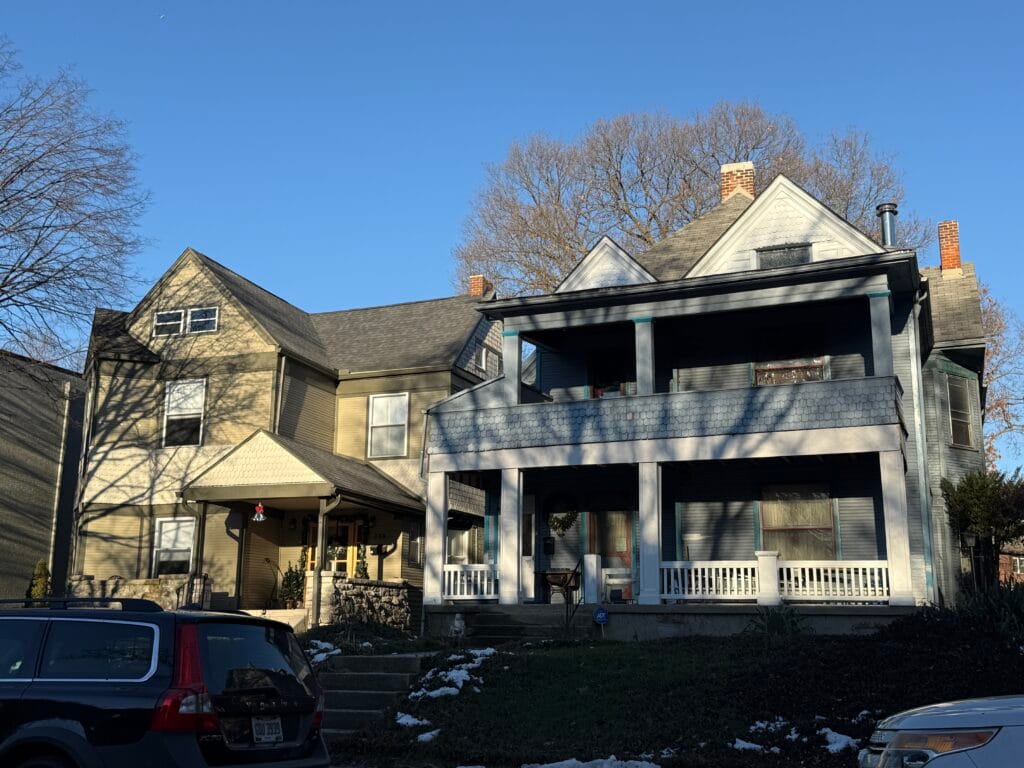
Grafton Hill is one of Dayton’s most architecturally significant, visually striking, and culturally rich neighborhoods — a place where early 20th-century craftsmanship, wide boulevards, and hilltop views come together to form one of the city’s most distinguished residential districts. Defined by its grand historic homes, walkable streets, mature trees, and iconic landmarks like the Dayton Art Institute, Grafton Hill is not just a neighborhood but a showcase of Dayton’s architectural legacy. For renters and first-time buyers who want character, beauty, and long-term value, few neighborhoods in the city offer the combination of charm and stability found here.
Grafton Hill sits on a bluff overlooking downtown, giving many homes scenic perspectives of the city skyline or the river valley. The neighborhood’s geographic location — elevated, central, and connected to major corridors — has shaped its identity for more than a century. Homes along Grand Avenue, Forest Avenue, Riverview Avenue, Foster Avenue, and Central Avenue (where you personally own property) represent some of the most stunning examples of early Dayton architecture, blending classical revival styles, Craftsman influences, Tudor details, and occasional Mediterranean flair.
Selling in Grafton Hill? Free value report + cash offer options.
The neighborhood benefits from a formal historic district designation, which helps preserve architectural integrity and ensures that historic homes maintain their character over time. Buyers who value authenticity, preservation, and timeless craftsmanship often choose Grafton Hill because they want the experience of living in a neighborhood where the past has been honored, not erased.
Despite its prestige, Grafton Hill remains surprisingly accessible for many buyers. While the largest homes rival the elegance of Oakwood or Dayton View’s grand estates, the neighborhood also includes more moderately sized houses that offer the same architectural character at entry-level price points. This mix makes Grafton Hill appealing to a wide range of buyers — professionals, artists, young families, long-term Dayton residents, and renters seeking a meaningful step into homeownership.
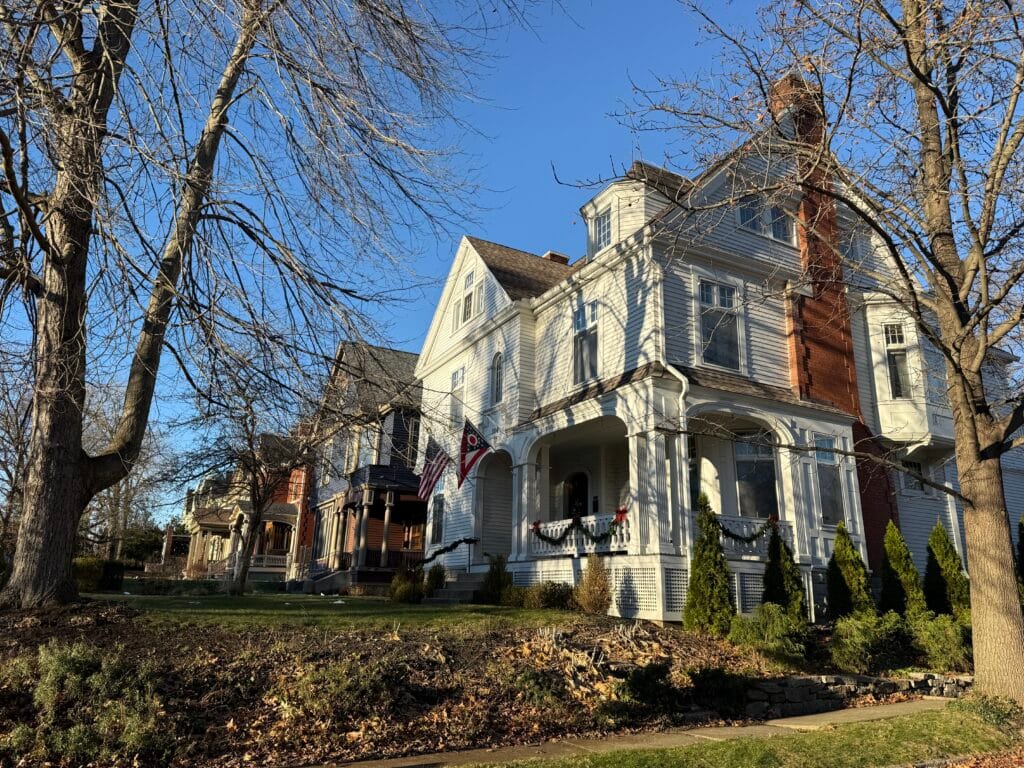
A Detailed History of Grafton Hill
Grafton Hill developed during Dayton’s golden age of residential construction, starting in the late 1800s and accelerating through the 1920s. Unlike neighborhoods built purely for workers or middle-income residents, Grafton Hill emerged as a neighborhood for Dayton’s early professionals, industrial leaders, and civic contributors. Its proximity to downtown, elevated terrain, and close relationship with cultural institutions made it a desirable place to build substantial, architecturally ambitious homes.
The early 20th century brought several waves of architectural influence, and Grafton Hill became a canvas for some of Dayton’s finest builders and craftsmen. Homes were constructed with solid plaster walls, thick wood trim, hand-crafted staircases, custom brickwork, and intricate tile or stone details — materials and techniques that are rarely replicated in modern construction at any price point.
The neighborhood’s cultural and civic identity strengthened over time. When the Dayton Art Institute relocated to its hilltop site in 1930, Grafton Hill became unmistakably connected to Dayton’s arts and cultural scene. The Masonic Center further added to the neighborhood’s prominence, and the presence of churches, schools, and long-term cultural institutions reinforced stability for decades.
Today, Grafton Hill continues to be a historically significant district with active neighborhood involvement, preservation advocacy, and a strong sense of pride among residents. Its blend of architectural beauty, community spirit, and proximity to downtown makes it one of Dayton’s most desirable urban neighborhoods.
Architectural Styles and Housing Characteristics
Grafton Hill offers some of the richest architectural diversity in the city. Homes range from stately mansions to beautifully preserved mid-sized residences, all displaying craftsmanship and detail that reflect Dayton’s heritage. Buyers seeking “real houses” — the kind with solid wood, custom brick, hand-built staircases, and thoughtful design — will find endless opportunities here.
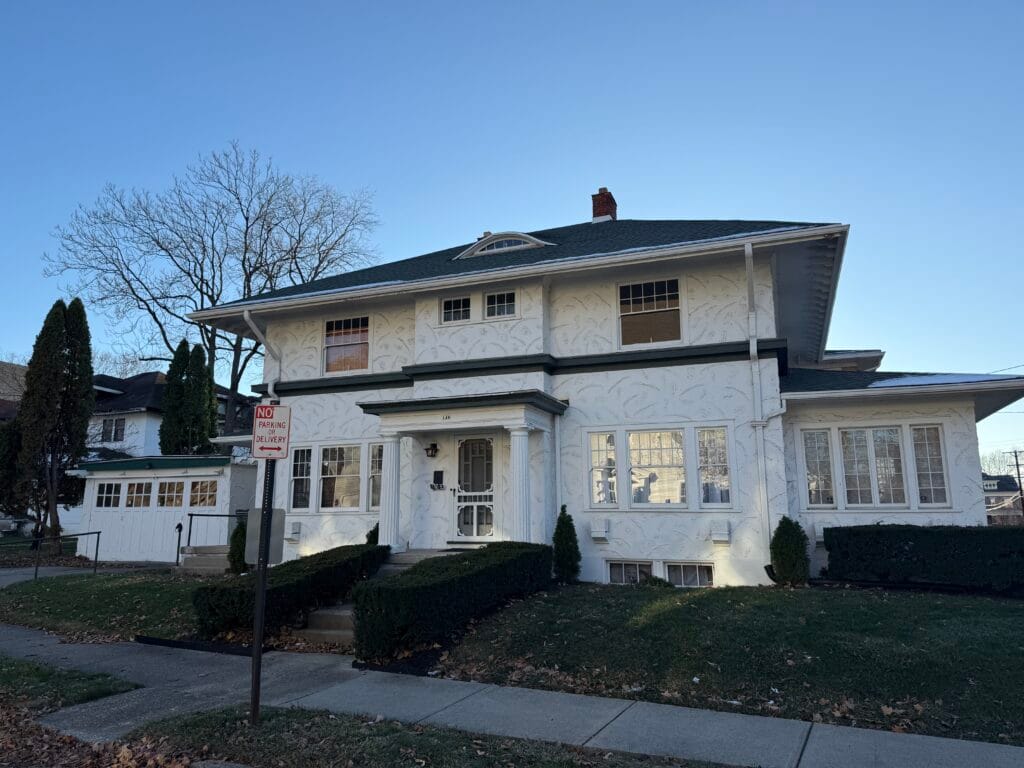
Tudor Revival Homes
Common throughout the neighborhood, Tudor homes often feature:
• Steep gables
• Decorative half-timbering
• Leaded glass windows
• Brick and stucco exteriors
• Arched doorways
• Stonework accents
• Intricate interior wood detailing
These homes are among the most visually iconic structures in Grafton Hill, especially along the hilltop streets.
Colonial Revival and Georgian Styles
Classic and elegant, these homes commonly include:
• Symmetrical facades
• Columned porches
• Central hall floorplans
• Large fireplaces
• Brick exteriors
• Multi-paned windows
• Formal living and dining rooms
These properties appeal to buyers who love timeless, traditional architecture.
Craftsman and Arts & Crafts Homes
These homes, built during Dayton’s early 20th-century boom, often include:
• Tapered porch columns
• Built-in cabinetry
• Exposed beams
• Heavy trim
• Natural materials
• Warm wood textures throughout
Craftsman homes in Grafton Hill are frequently stunning examples of the style.
Mediterranean and Mission Revival Homes
Less common but extremely distinctive, these homes include:
• Stucco exteriors
• Clay tile roofs
• Rounded archways
• Courtyard influences
• Decorative ironwork
These rare finds add visual diversity and high-end appeal to the neighborhood.
American Foursquares
Many mid-sized homes in Grafton Hill follow this iconic style, featuring:
• Efficient two-story layouts
• Large porches
• Wide trim
• Hardwood floors
• Big attic spaces
• Solid, symmetrical designs
These homes offer spacious interiors and excellent long-term renovation potential.
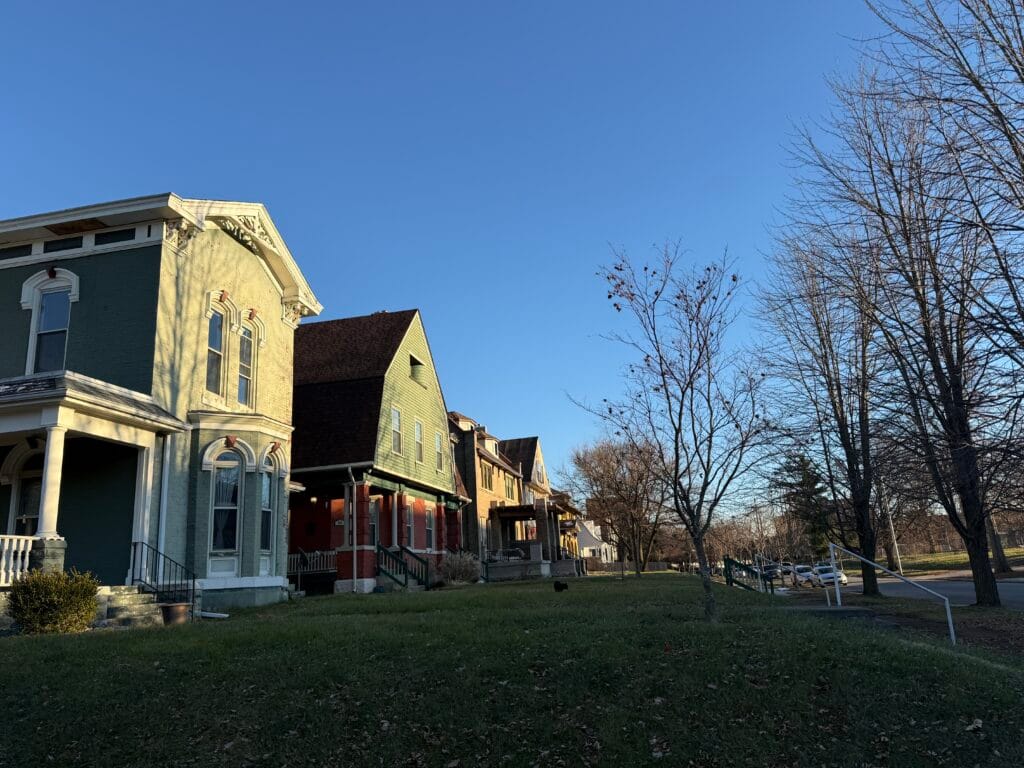
Neighborhood Layout and Physical Structure
Grafton Hill’s physical layout contributes significantly to its charm and desirability. The rolling terrain, tree-lined boulevards, and elegant hilltop views create a residential environment that feels both peaceful and grand. Many streets gently curve or rise, giving the neighborhood a sense of scale and movement that differs from Dayton’s more traditional grid-based neighborhoods.
Hilltop Streets with Grand Homes
Streets such as Forest, Grand, and Central feature some of the neighborhood’s largest and most architecturally significant homes. These blocks include:
• Wide setback lawns
• Stately facades
• Large porches
• Mature shade trees
• Multi-story architecture
• Original early-20th-century details intact
These areas offer some of the strongest long-term appreciation potential.
The Cultural Corridor Near the Dayton Art Institute
Homes near the Dayton Art Institute and the Masonic Center benefit from:
• Scenic views
• Walkability to landmark institutions
• A sense of prestige
• Strong neighborhood identity
These blocks are especially popular with buyers who appreciate Dayton’s cultural heritage.
Transitional Pockets Near Riverview Avenue
These areas offer:
• More modest early-20th-century homes
• Smaller footprints
• Easy access to downtown
• Strong value opportunities
These quieter sections offer excellent affordability while still being firmly part of the historic district.
What You Can Buy in Grafton Hill at Different Price Points
Grafton Hill’s housing market offers a wider price range than almost any other historic district in Dayton. Some blocks contain large, architecturally ornate homes that rival Oakwood in style and grandeur, while other pockets include more modest early-century houses priced affordably for first-time buyers. This mix creates an unusual opportunity: buyers can enter one of Dayton’s premier historic neighborhoods at nearly every price point, depending on size, condition, and architectural detail.
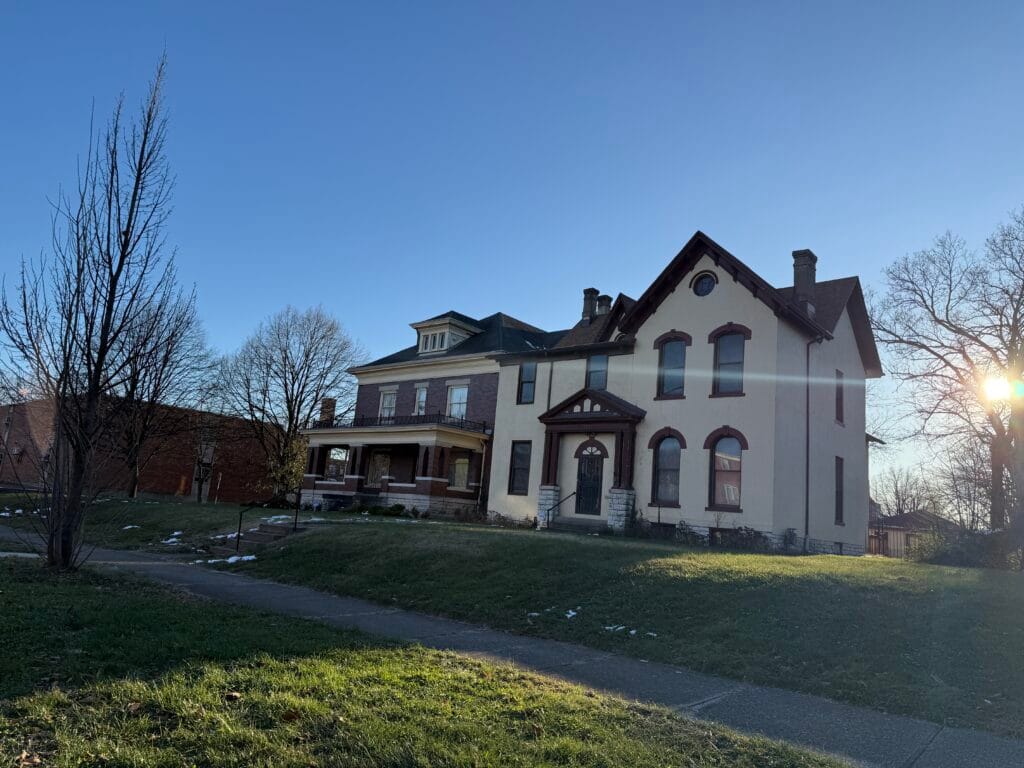
$350,000 and Up — Historic Showpieces and Fully Restored Homes
Homes in this range are typically among the largest and most distinctive in Grafton Hill, often found along the hilltop streets such as Forest Avenue, Grand Avenue, and your own street — Central Avenue. These properties frequently include:
• Over 3,000–5,000 square feet of living space
• Original custom woodwork, staircases, and built-ins
• Large fireplaces with stone or tile surrounds
• Multiple sunrooms or sitting rooms
• Restored hardwood floors
• High-end chef’s kitchens
• Renovated bathrooms with historic finishes
• Updated plumbing, electrical, HVAC, and roofing
• Landscaped yards, patios, and porches
• Rare architectural details (stained glass, arched windows, hand-laid tile)
These homes appeal to buyers seeking architectural prestige, historic charm, and long-term legacy value.
$225,000–$350,000 — Beautifully Maintained Historic Homes
This price range includes some of the best value opportunities for buyers who appreciate early 20th-century architecture but do not require a full mansion-scale home. These properties often include:
• 2,000–3,000 square feet
• Solid mechanical systems
• Preserved original features
• Spacious living and dining rooms
• Updated kitchens or bathrooms
• Functional basements
• Detached garages or carriage houses
• Classic historic exteriors with brick, stucco, or stone
These are ideal for buyers wanting elegance and functionality without the renovation demands of larger historic estates.
$150,000–$225,000 — Move-In-Ready Homes with Character
Many homes in this range are located in the central or southern sections of Grafton Hill. They typically include:
• 1,500–2,200 square feet
• Original hardwood floors
• Beautiful wood trim
• Functional, updated mechanicals
• Fresh interior finishes
• Cozy, historic charm
• Porch-forward designs and mature landscaping
These homes provide strong long-term value and appeal to buyers transitioning from renting to homeownership.
$100,000–$150,000 — Well-Maintained Smaller Historic Homes
This range includes charming early-century homes that offer affordability without sacrificing historic appeal. Buyers often find:
• 1,200–1,800 square feet
• Original hardwood floors
• Brick or wood exteriors
• Classic front porches
• Updated or partially updated kitchens
• Solid structural integrity
• Manageable renovation opportunities
These homes are excellent for first-time buyers who value authenticity but prefer smaller spaces or more accessible price points.
Below $100,000 — Investment or Renovation Opportunities
Although less common in Grafton Hill compared to other neighborhoods, some homes in need of full renovation appear occasionally. These properties often require:
• Electrical modernization
• Plumbing updates
• HVAC installation or replacement
• Roof work
• Kitchen and bath remodels
• Flooring restoration
• Porch or exterior repair
These homes appeal to renovation-minded buyers who want to enter Grafton Hill at a rare price point and are comfortable restoring historic properties.
Who Grafton Hill Works Best For
Grafton Hill attracts buyers who want a lifestyle built around beauty, architecture, stability, and community. It appeals to people who prefer character over cookie-cutter homes and appreciate the lifestyle benefits of living near Dayton’s arts and cultural institutions.
Professionals and Buyers Seeking Character
Grafton Hill is ideal for buyers who want:
• Architectural significance
• Larger homes with stunning original features
• A quiet, established neighborhood
• Proximity to downtown and major employers
• Access to the arts and cultural scene
• A long-term, legacy-style home
Many homes in this neighborhood are works of art in themselves, appealing to buyers who enjoy the craftsmanship of early 20th-century builders.

Renters Who Want a Serious Upgrade
For renters moving from downtown apartments or surrounding neighborhoods, Grafton Hill offers a major lifestyle improvement:
• Private yards
• Larger interior spaces
• Storage and basements
• Architectural beauty
• Peaceful streets
• Stability and long-term comfort
The contrast between renting nearby and owning in Grafton Hill is dramatic — and deeply appealing to buyers ready to settle into a home that feels meaningful.
Buyers Who Value Cultural Amenities
Living near the Dayton Art Institute and the Masonic Center gives residents access to:
• Art exhibitions
• Seasonal events
• Concerts
• Festivals
• Historic architecture
• Community programming
These amenities create a sense of identity and pride that few Dayton neighborhoods can match.
Buyers Seeking Walkability and Urban Access
Grafton Hill balances residential calm with direct urban access. Residents enjoy:
• Walkability to cultural venues
• Quick access to downtown
• Simple commutes to major employers
• A central but peaceful location
• Public transit access
This makes the neighborhood ideal for buyers who want convenience without sacrificing residential comfort.
Lifestyle Fit and Daily Living
Daily life in Grafton Hill reflects the neighborhood’s elegance, community spirit, and architectural beauty. It’s a place where people take pride in their homes, where streets remain calm and shaded, and where the blend of culture and history creates a distinctive atmosphere.
Residents often describe life here as:
• Quiet
• Beautiful
• Culturally rich
• Architecturally inspiring
• Walkable
• Welcoming
Daily rhythms include:
• Front-porch sitting
• Neighborhood walks under mature trees
• Jogging along the river or near the Art Institute
• Attending neighborhood association events
• Enjoying skyline views from hilltop blocks
• Strolling through the cultural corridor
The lifestyle in Grafton Hill is particularly appealing to buyers who value calm, beauty, and neighborhood pride.
Shopping, Amenities, and Local Convenience
While Grafton Hill is primarily residential, it is surrounded by multiple commercial corridors and centrally located between several convenience hubs. This gives residents easy access to daily essentials without compromising neighborhood tranquility.
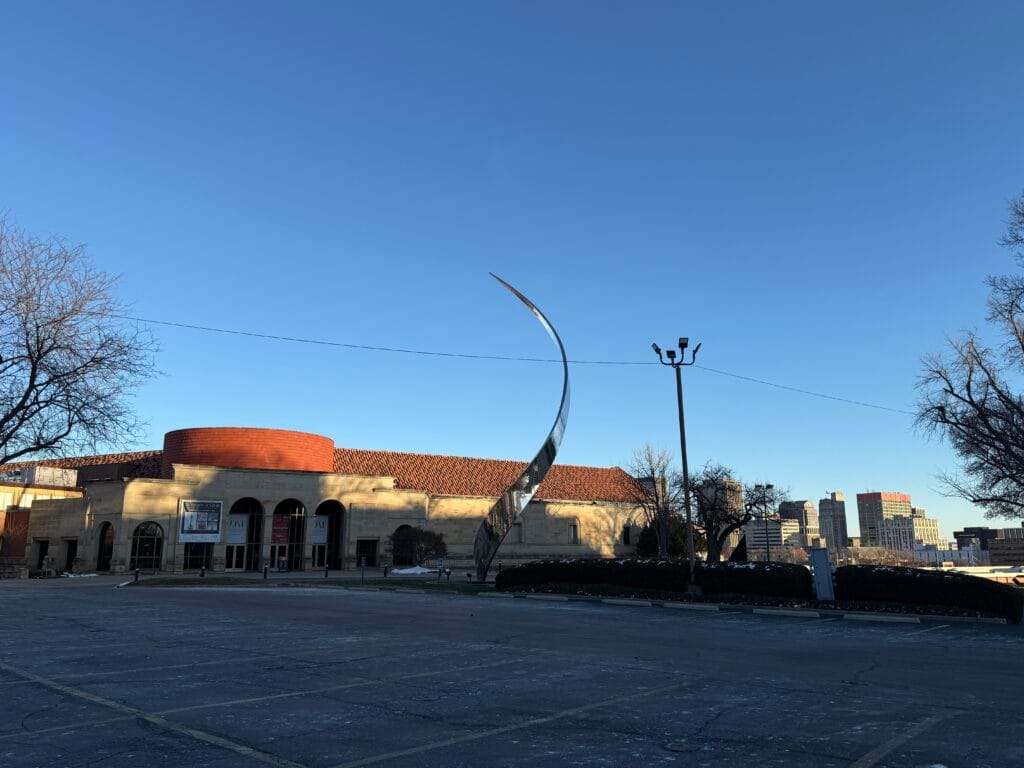
The Cultural Corridor
Near the Dayton Art Institute, residents enjoy:
• Art exhibitions
• Community events
• Seasonal festivals
• Easy access to downtown entertainment
Riverview and Salem Avenue
Just east of the neighborhood, these corridors offer:
• Grocery stores
• Restaurants
• Pharmacies
• Retail centers
• Fuel stations
• Daily services
Downtown Dayton
Grafton Hill’s proximity to downtown gives residents immediate access to:
• The Oregon District
• RiverScape MetroPark
• Local bars and restaurants
• Employers
• Entertainment districts
• Public festivals and events
This combination of residential charm and urban access makes Grafton Hill one of Dayton’s most desirable neighborhoods for convenience and culture.
Parks, Recreation, and Outdoor Life
Despite its historic character, Grafton Hill offers multiple outdoor opportunities. Its rolling topography, scenic views, and nearby parks create excellent options for fitness and recreation.
Nearby amenities include:
• Riverscape MetroPark
• McKinley Park
• The riverfront trail system
• The Dayton Art Institute grounds
• Green spaces near Cultural Corridor landmarks
The blend of historic architecture and natural scenery enhances everyday life for residents.
Walkability and Neighborhood Mobility
Grafton Hill’s walkability is one of its standout traits. Residents frequently walk to the Art Institute, downtown, or simply through the neighborhood’s tree-lined streets to enjoy the architectural beauty.
Walkability strengths include:
• Sidewalks throughout the neighborhood
• Mature tree canopy providing shade
• Direct routes to cultural institutions
• Easy access to the river and downtown
• Reasonable block lengths
• Low traffic on most residential streets
The neighborhood is ideal for pedestrians, dog walkers, joggers, and anyone who enjoys an active lifestyle.

Commuting and Access to Employment
Grafton Hill provides exceptionally efficient commuting options thanks to its central location. Major employment hubs are only minutes away by car, bus, or bicycle.
Typical commute times include:
• 3–5 minutes to downtown Dayton
• 5–8 minutes to Miami Valley Hospital
• 7–10 minutes to Premier Health facilities
• 8–12 minutes to I-75 or US-35
• 10–15 minutes to Wright-Patterson AFB (via highway)
• 12–15 minutes to the airport corridor
This accessibility supports both professional and personal convenience for Grafton Hill residents.
Strengths and Challenges for Buyers
Neighborhood Strengths
• Architectural beauty unmatched in most Dayton neighborhoods
• Historic district protections that support long-term value
• Quiet, tree-lined streets with scenic elevation
• Cultural amenities nearby
• Walkability to downtown
• Strong community engagement
• Solid long-term appreciation patterns
• Homes with legacy-level craftsmanship
Potential Buyer Challenges
• Larger homes require more maintenance
• Historic renovations can be costly
• Early 20th-century features require knowledgeable ownership
• Limited inventory due to low turnover
• Higher energy costs in some older properties
These challenges are expected in any historic district and are offset by long-term value, community pride, and architectural significance.
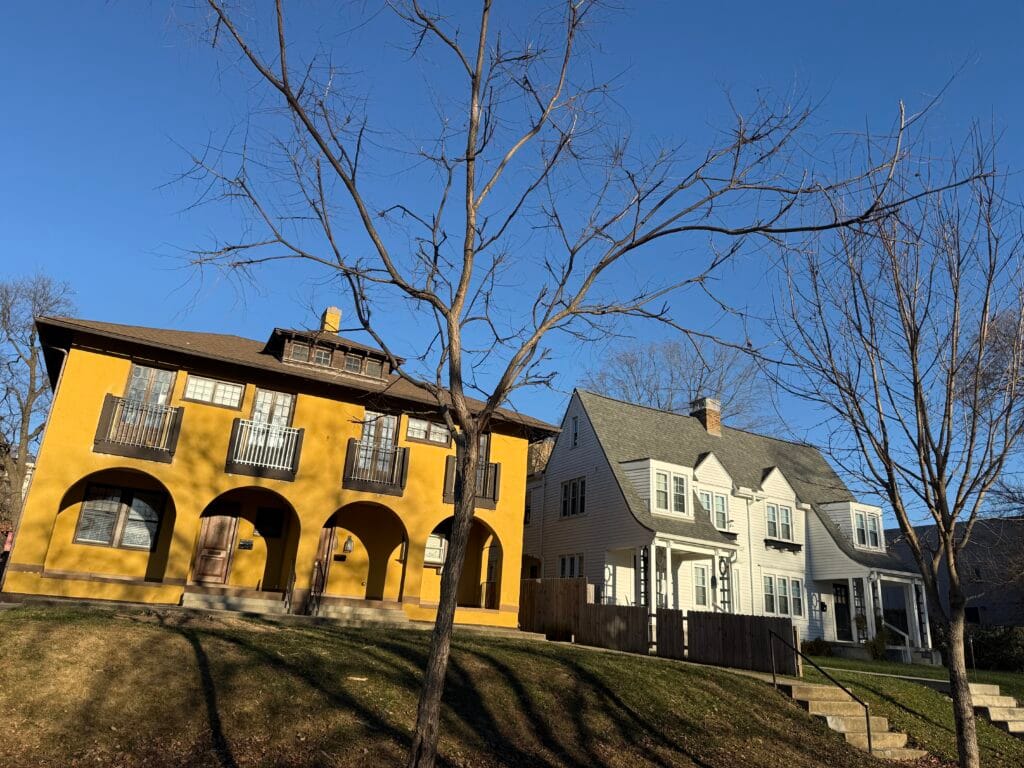
Inspection Expectations and Common Findings in Grafton Hill Homes
Grafton Hill’s homes are some of the most architecturally impressive in Dayton — but they are also some of the oldest. Because many properties were built between 1890 and 1935, inspection reports tend to reflect the realities of early 20th-century construction. Buyers should expect age-related findings, not as warning signs, but as normal characteristics of beautifully preserved historic homes that have stood proudly for generations.
Mechanical systems often appear among the first inspection topics. Common notes include:
• Older furnaces or boilers, sometimes replaced gradually over decades
• Air-conditioning units approaching late-life cycles
• Large, multi-zone HVAC systems in bigger homes
• Water heaters with reduced efficiency
• Radiator systems in some original homes
• Ductwork improvements recommended for energy efficiency
• Insulation upgrades beneficial for comfort and cost
Because Grafton Hill homes are larger and more complex than those in surrounding neighborhoods, mechanical work should be viewed as an expected part of long-term stewardship, not a sign of neglect.
Electrical systems vary widely depending on renovation history. Inspectors frequently highlight:
• Outdated panels in older sections of homes
• Mixed wiring types from different renovation eras
• Ungrounded outlets in original plaster walls
• Areas where knob-and-tube wiring may still remain in attics
• Breaker configurations needing modernization
• The need for additional circuits to support modern appliances
• Opportunities to update fixtures while preserving historic charm
Electrical modernization is one of the most common and highest-value upgrades for Grafton Hill homeowners, especially for buyers purchasing larger early-century homes.
Plumbing systems also reflect the neighborhood’s age. Typical findings include:
• Cast-iron stacks showing interior scaling
• Galvanized lines that reduce water pressure
• Updated copper or PEX branches from past renovations
• Older drains in need of cleaning or replacement
• Original ceramic or cast-iron tubs requiring reglazing
• Minor leaks under older sinks or fixtures
Plumbing issues are rarely structural and are generally addressed through phased updates during kitchen and bathroom renovations.
Basements, Foundations, and Structural Considerations
Grafton Hill’s foundations were built with substantial materials — thick stone, brick, or early poured concrete. These foundations have supported large, multi-story homes through decades of seasonal cycles. Inspection findings reflect age but usually indicate strength and longevity rather than structural concern.
Basement Conditions
Common basement notes include:
• Dampness or moisture during heavy rains
• Efflorescence on stone or brick walls
• Floor drains needing cleaning
• Sump pumps requiring maintenance
• Hairline masonry cracks typical of older foundations
• Need for improved gutter and downspout management
• Potential for basement finishing with proper waterproofing
Larger homes often have expansive basements with multiple rooms — wine cellars, storage chambers, old coal rooms, or work areas — offering buyers excellent utility space once updated for modern use.
Foundation Strength
Because these homes were built to last, foundations remain remarkably resilient. Inspectors may mention:
• Mortar that needs tuck-pointing
• Settling consistent with century-old masonry
• Support beams added during past renovations
• Joists notched for old plumbing
• Areas ready for reinforcement before basement finishing
These findings are normal for historic homes and generally manageable as part of long-term maintenance.
Porches, Rooflines, and Exterior Structures
Historic porches are essential to the neighborhood’s aesthetic identity, but they also require periodic care. Inspection reports often include:
• Porch post stabilization or replacement
• Flooring needing sanding, painting, or repair
• Railing reinforcement
• Step settling
• Flashing where porch roofs meet main structures
• Decorative corbels or trim requiring restoration
Porch improvements significantly enhance curb appeal and help preserve the historical look that defines the neighborhood.
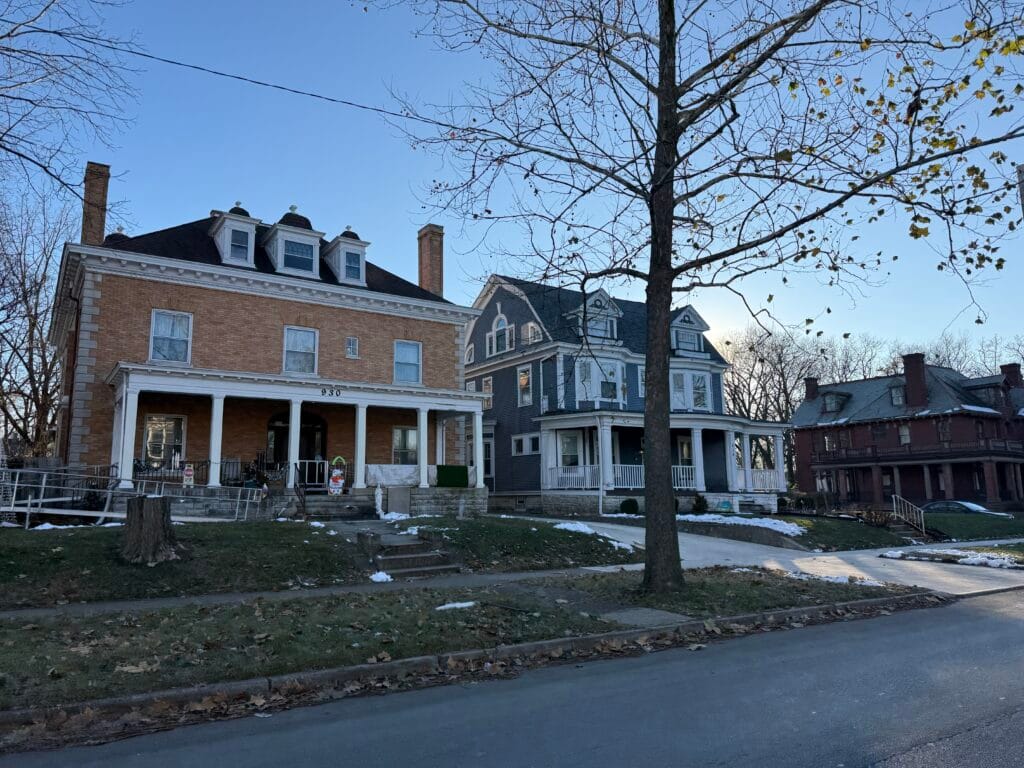
Exterior Siding, Roofing, and Windows in a Historic District
Exterior materials in Grafton Hill are some of the most architecturally diverse in Dayton. Buyers will encounter brick facades, stucco and half-timbering, stone accents, wood siding, and clay-tile roofing. Inspections reflect the longevity and maintenance patterns associated with these materials.
Typical exterior findings include:
• Brick homes needing isolated tuck-pointing
• Stucco needing crack patching or sealant
• Original clay-tile roofs requiring specialist maintenance
• Slate roofs nearing the end of long, 80-100-year life cycles
• Wood windows needing glazing, caulk, or storm replacements
• Historic doors needing refinishing or hardware adjustments
• Gutter systems needing annual cleaning to protect masonry
Because Grafton Hill is a historic district, buyers who maintain original materials enjoy increased resale value and neighborhood prestige.
Drainage, Landscaping, and Environmental Factors
Grafton Hill’s elevation protects it from some drainage challenges common in low-lying parts of Dayton, but the neighborhood’s age still means certain patterns appear in inspection reports. These include:
• Soil erosion on slopes
• Downspouts needing extension
• Water pooling near walkways
• Mature trees requiring limb trimming
• Root systems affecting sidewalks
• Aging retaining walls needing repair
These issues are common to historic districts with mature canopies and rolling terrain and are generally manageable through routine maintenance and landscaping improvements.
Long-Term Appreciation and Market Strength
Grafton Hill is one of Dayton’s strongest long-term real estate markets. Its historic district status, architectural significance, and cultural amenities contribute to sustained demand and stable appreciation across decades. Homes here tend to hold value even during broader market shifts, and renovated properties can see significant upside.
Key appreciation drivers include:
• Historic district protections that preserve architectural integrity
• Proximity to the Dayton Art Institute and cultural landmarks
• Walkability to downtown and riverfront amenities
• Large, architecturally significant homes with limited local competition
• Strong buyer demand for one-of-a-kind properties
• Long-term, low-turnover ownership patterns
• Growing preference for historic craftsmanship among modern buyers
Homes on Central, Grand, Forest, and Foster tend to appreciate most predictably, especially when preserved or restored with respect for original materials.

Ideal Renter-to-Buyer Pathways in Grafton Hill
Grafton Hill appeals to a special type of renter — someone looking for a meaningful upgrade, a place with character, and a home that feels like a place to build a life rather than a temporary residence. Renters moving from downtown apartments or smaller homes in nearby districts often view Grafton Hill as a major step forward.
The typical renter-to-owner path includes:
1. Recognizing the value difference
Mortgage payments for a mid-sized Grafton Hill home often match the monthly rent of a downtown apartment.
2. Touring historic homes
Many renters fall in love with original craftsmanship — hardwood floors, built-ins, leaded glass, and wide porches.
3. Understanding historic inspection expectations
Once renters learn what’s normal for homes from the early 1900s, the inspection process feels much less intimidating.
4. Making strategic offers
Turnover is low in Grafton Hill, so well-prepared buyers have an advantage.
5. Planning phased restorations
Historic homes can be upgraded gradually without losing their authenticity.
Many renters feel a sense of “I’ve found my place” when they step into Grafton Hill — a powerful driver of conversion into ownership.
How Dayton Proper Helps Buyers Navigate Grafton Hill
Buying in Grafton Hill requires specialized knowledge of historic construction, renovation planning, preservation considerations, and block-by-block dynamics. Dayton Proper’s hyperlocal experience — including your personal ownership of a property on Central Avenue — gives buyers insider insight that few other agents can provide.
Dayton Proper helps buyers evaluate:
• What “normal” looks like in a 100-year-old structure
• How to interpret historic-home inspection findings
• Which updates are urgent vs. optional
• The cost structure of historic renovations
• How to preserve architectural integrity while upgrading functionality
• Which streets have the strongest long-term appreciation
• How Grafton Hill compares to Five Oaks, Dayton View, and Dayton View Triangle
• What types of offers are competitive in a low-turnover market
This guidance empowers buyers to invest confidently in homes that will reward them with beauty, stability, and long-term equity.
Daily Living, Community Culture, and Neighborhood Identity
Life in Grafton Hill blends residential calm with cultural richness. Neighbors appreciate the beauty of their surroundings, the quiet of tree-shaded streets, and the architectural pride that comes from living in one of Dayton’s most historically significant areas.
Daily experiences often include:
• Walking to the Dayton Art Institute
• Greeting long-term neighbors from wide porches
• Taking scenic evening walks past century-old homes
• Attending cultural events and festivals
• Jogging near the river or through the Cultural Corridor
• Enjoying views of the downtown skyline from elevated blocks
The neighborhood’s sense of community is strong — homeowners often invest deeply in their homes and remain for decades.

Comparing Grafton Hill to Other Dayton Neighborhoods
Buyers exploring Grafton Hill often compare it to several other historic or architecturally significant districts. Understanding these differences helps clarify why Grafton Hill stands out.
• Five Oaks: Similar early-century architecture but larger geographic footprint and wider mix of home sizes.
• Dayton View: Larger mansions and stronger historic identity, but less walkable to cultural institutions.
• Dayton View Triangle: Highly significant culturally but smaller in scale.
• Oregon District: More commercial, more entertainment-focused, smaller homes.
• South Park: Strong historic character but more densely packed and less grand.
• Wright-Dunbar: Culturally important with active redevelopment but different architectural profile.
Grafton Hill appeals to buyers who want prestige, architecture, and culture without sacrificing residential quiet and central access.
Expanded Internal Links Across Dayton Neighborhoods
Buyers comparing Grafton Hill to other neighborhoods can explore deeper guides here:
Five Oaks
Dayton View
Dayton View Triangle
Wright-Dunbar
All Dayton Neighborhood Guides
Next Steps for Buyers Considering Grafton Hill
Grafton Hill offers one of Dayton’s most compelling living experiences — historic homes, cultural landmarks, quiet streets, and long-term stability. Whether buyers are seeking an architecturally significant property, a home with character and walkability, or simply a peaceful place to live close to downtown, Grafton Hill consistently delivers.
Those ready to begin exploring homes in the neighborhood can review local listings, walk the hilltop streets, and evaluate which architectural styles and pockets best match their lifestyle and goals. With expert guidance from Dayton Proper, buyers can navigate this historic district with clarity, confidence, and an appreciation for the craftsmanship and history embedded in every block.
Start your Grafton Hill home search today.
Visit: https://buy.daytonproper.com
Ready to Buy a Home? Contact us below: