
DeWeese is one of Dayton’s most unusual, scenic, and quietly distinctive neighborhoods—an area shaped by the Stillwater River, a rich natural landscape, beloved cultural institutions, and a small but appealing collection of mid-century homes tucked into wooded streets. Unlike many Dayton neighborhoods defined by tight grids or early-20th-century architecture, DeWeese stands out for its mix of residential charm, expansive parkland, wildlife corridors, and recreational amenities. For buyers who value nature, green space, and a slower residential pace without leaving the city, DeWeese offers a lifestyle that almost feels hidden in plain sight.
The neighborhood sits just north of Forest Park and west of Old North Dayton, occupying land where the Stillwater River bends through a series of wooded slopes and natural habitats. Cultural landmarks such as the Boonshoft Museum of Discovery, the Dayton Playhouse, and the Wegerzyn Gardens MetroPark (just beyond the northern border) help define the area’s identity. Instead of a traditional urban grid, DeWeese unfolds as a collection of calm residential pockets connected by tree-lined roads, riverside trails, and natural terrain shaped by centuries of water flow. Understanding the neighborhood requires looking at its history, environment, and the housing that fills its modest collection of streets.
A Detailed History of DeWeese
DeWeese developed gradually during Dayton’s mid-century expansion, providing housing options nestled between the natural beauty of the Stillwater River and the city’s growing cultural attractions. Unlike older neighborhoods built during the streetcar era, DeWeese emerged later—primarily between the 1940s and 1960s—when city planners sought to take advantage of the area’s scenic qualities. Its location near the river and its adjacency to large tracts of undeveloped land influenced the neighborhood’s low-density design, giving it a suburban feel while remaining close to Dayton’s urban core.
The name “DeWeese” is tied to local families and landowners from the 1800s, though the neighborhood as residents know it today did not form until well into the 20th century. As Dayton grew, the land around the Stillwater River had long been used for farms, gardens, and natural preserves. In the mid-20th century, the establishment of institutions such as the Boonshoft Museum of Discovery (originally the Dayton Museum of Natural History) helped cement DeWeese’s identity as a cultural and environmental hub.
Residential growth followed as the city carved out new neighborhoods to accommodate demand from families seeking homes away from denser historic districts. Because the terrain rises and falls along the river, DeWeese’s development avoided strict grids in favor of winding residential pockets, each shaped by the land rather than by rigid planning. As a result, DeWeese became a neighborhood where nature and housing coexist in a way uncommon in other parts of Dayton.
Architectural Styles and Housing Characteristics
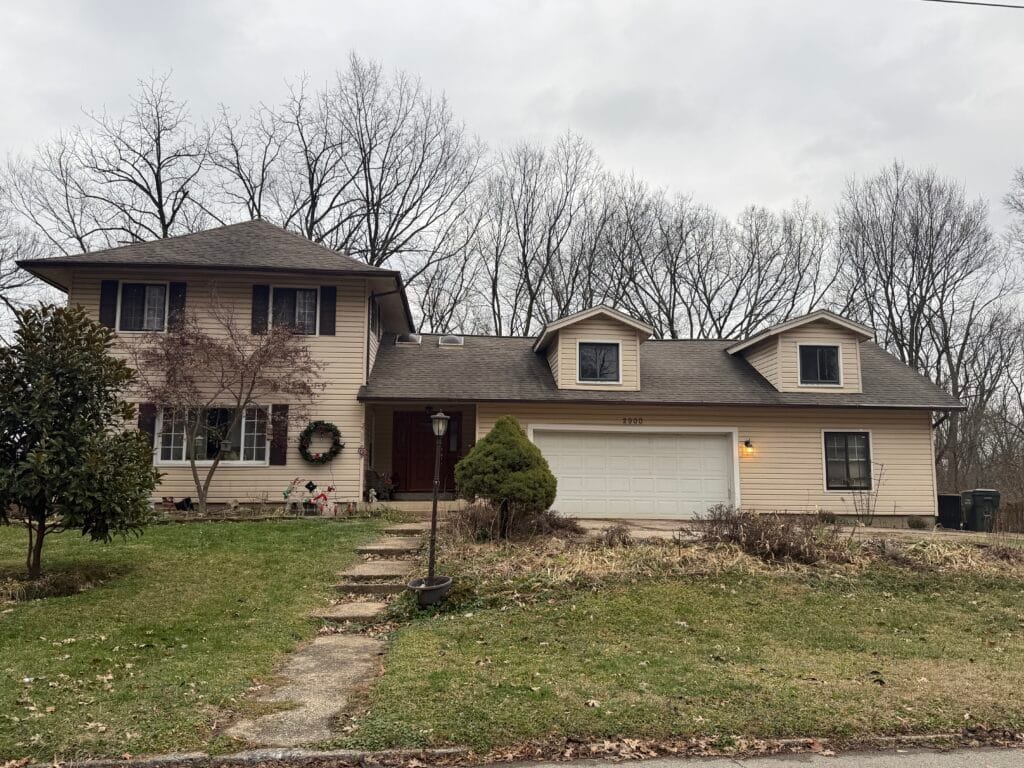
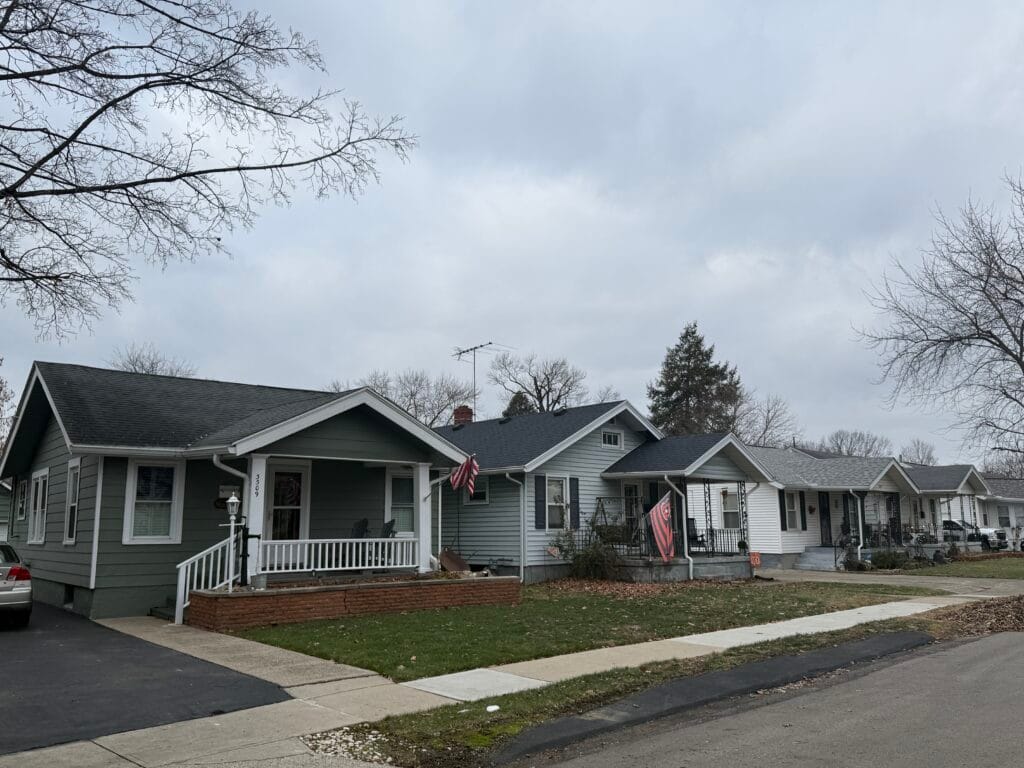
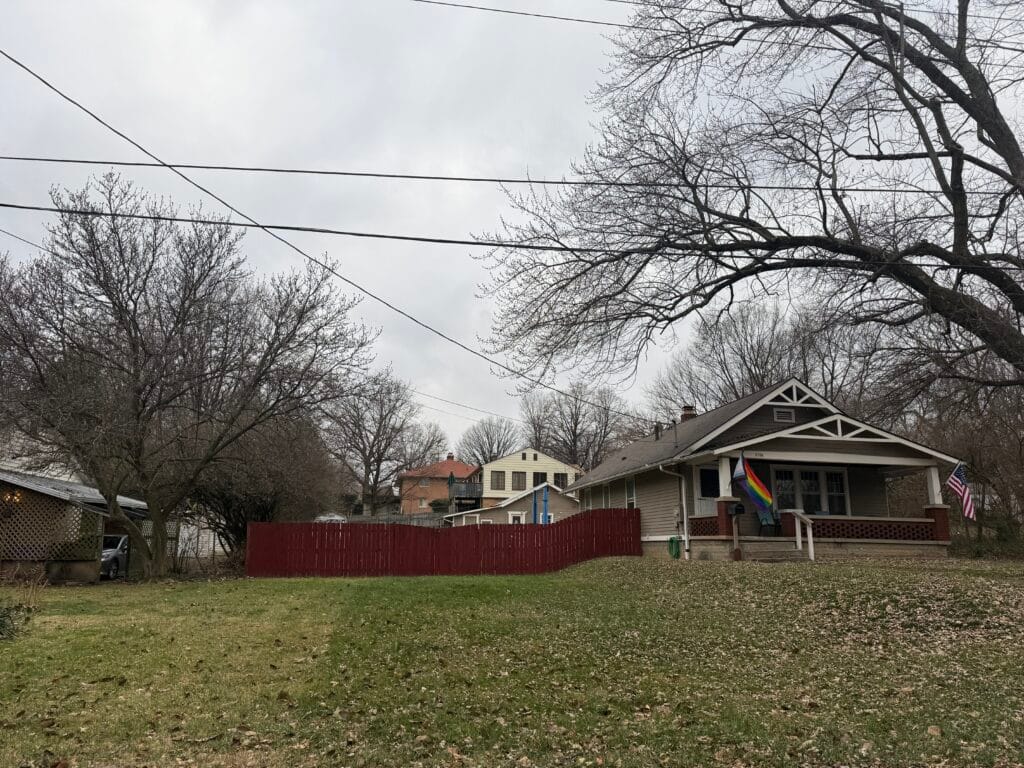
DeWeese’s architecture is defined by mid-century simplicity rather than ornate historic craftsmanship. Homes here are practical, modest, and built to harmonize with the surrounding terrain. Buyers will encounter a variety of home types reflecting mid-century building trends and the neighborhood’s natural setting.
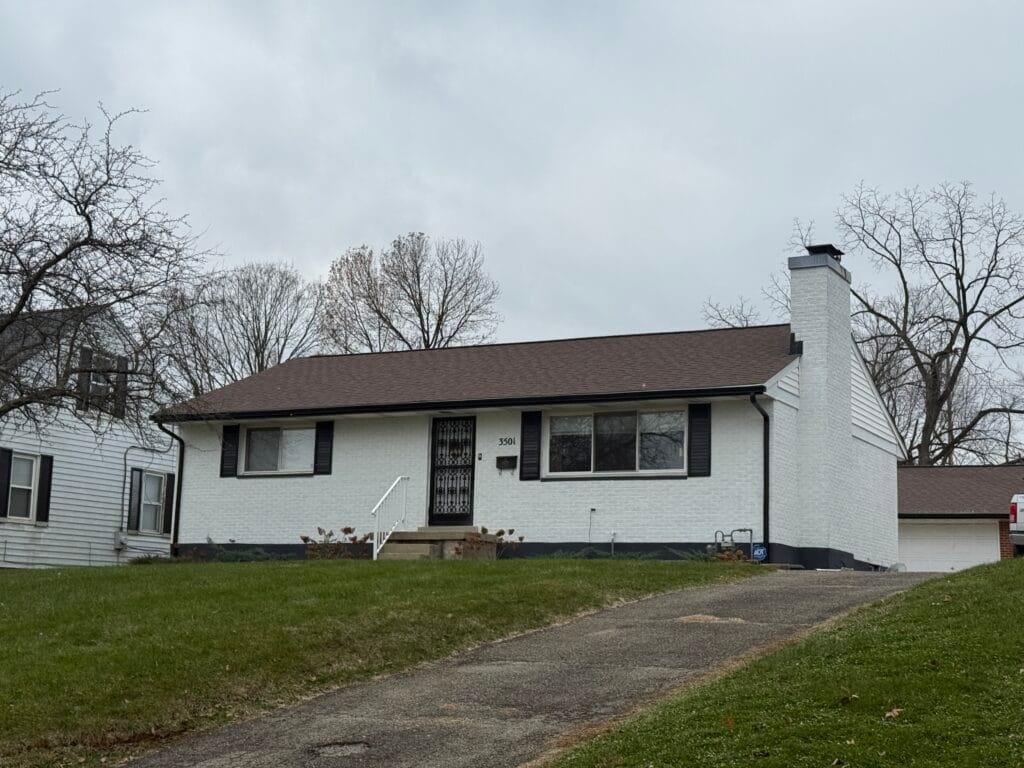
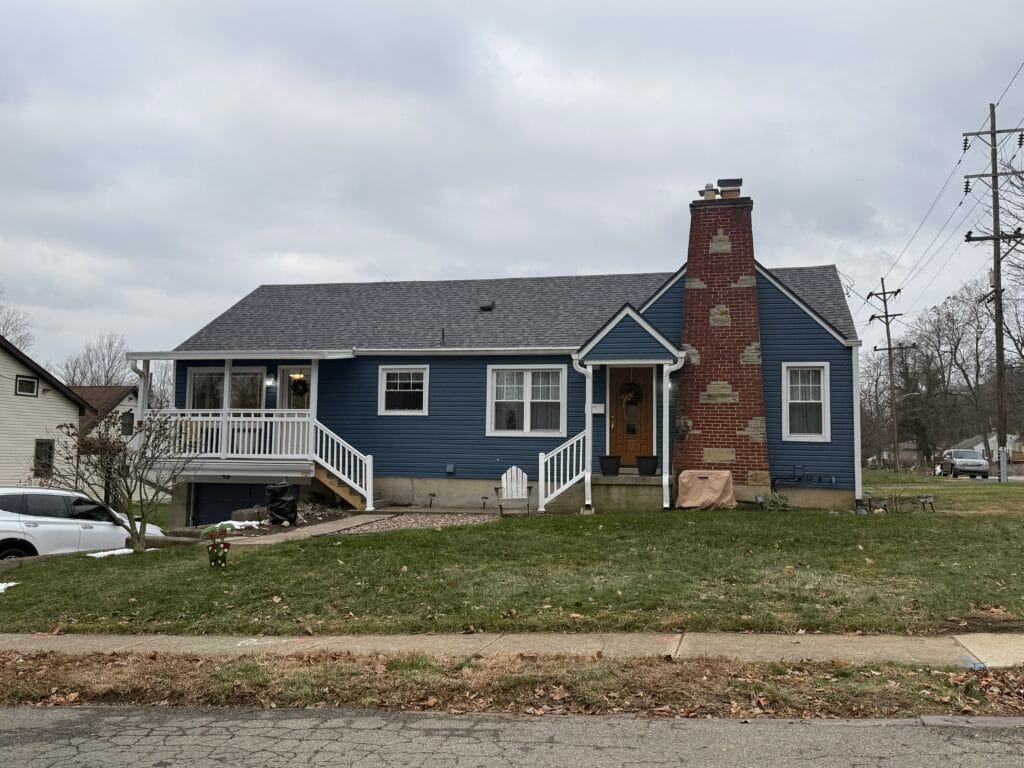
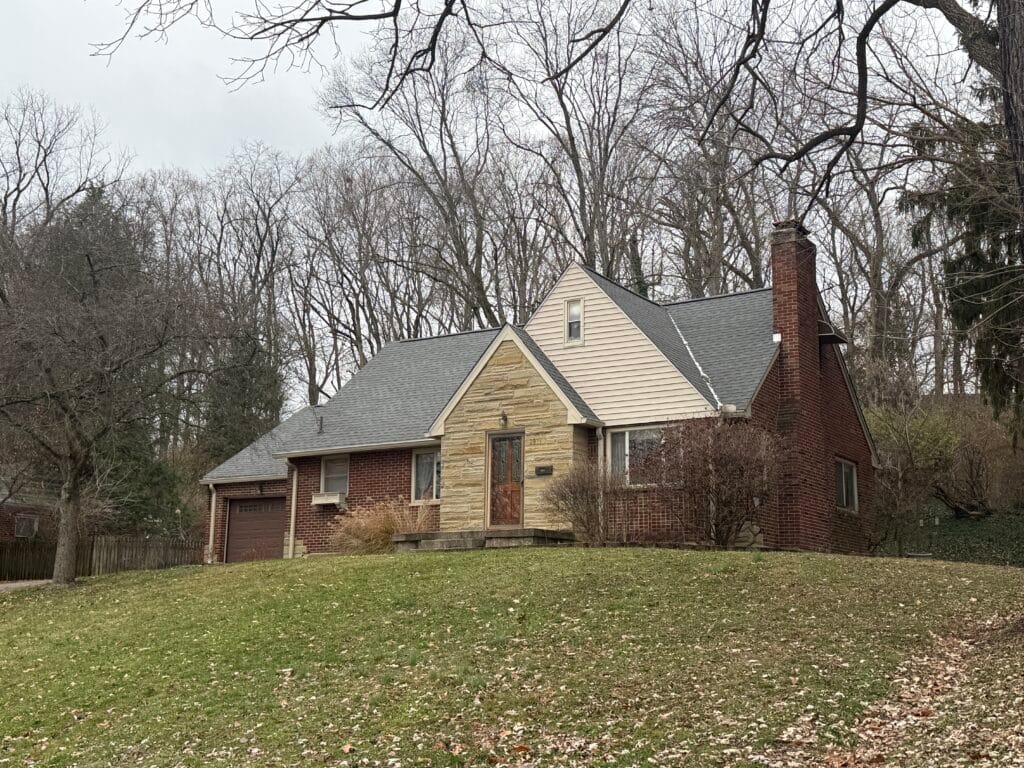
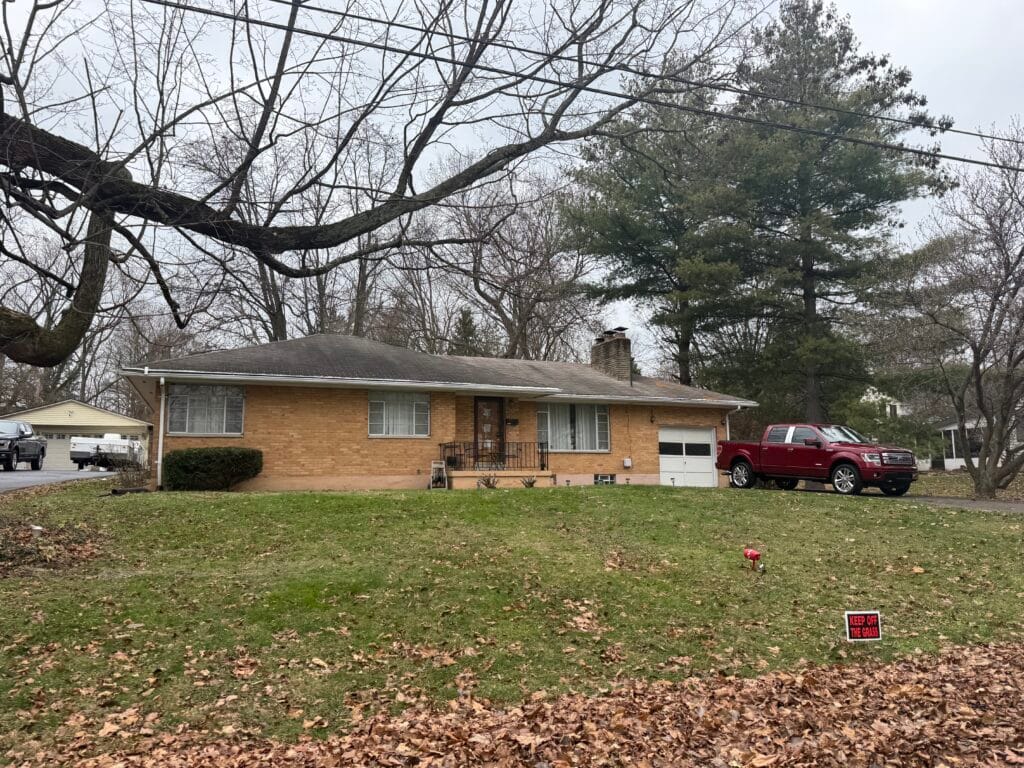
Mid-century ranch homes form the backbone of DeWeese’s residential areas. These homes often include:
• Single-level living ideal for accessibility
• Brick or siding exteriors
• Large picture windows opening to wooded views
• Functional kitchens and traditional dining layouts
• Full basements for storage or partial finishing
• Low-pitched roofs characteristic of 1950s design
These homes attract buyers who want manageable properties and simple maintenance routines.
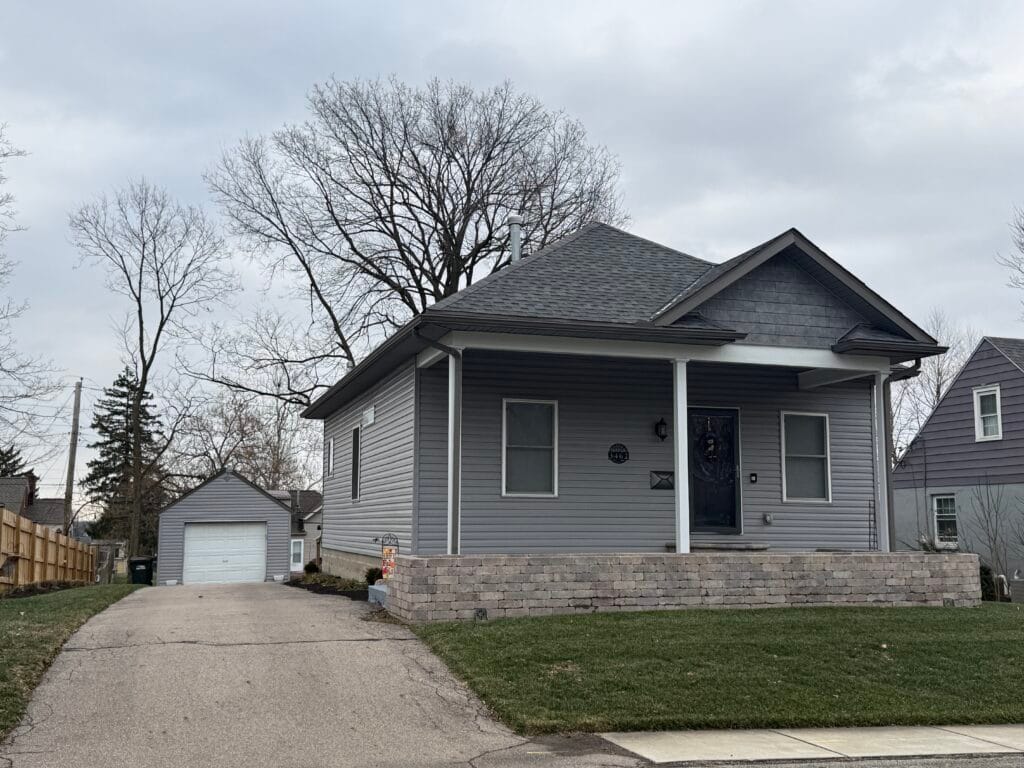
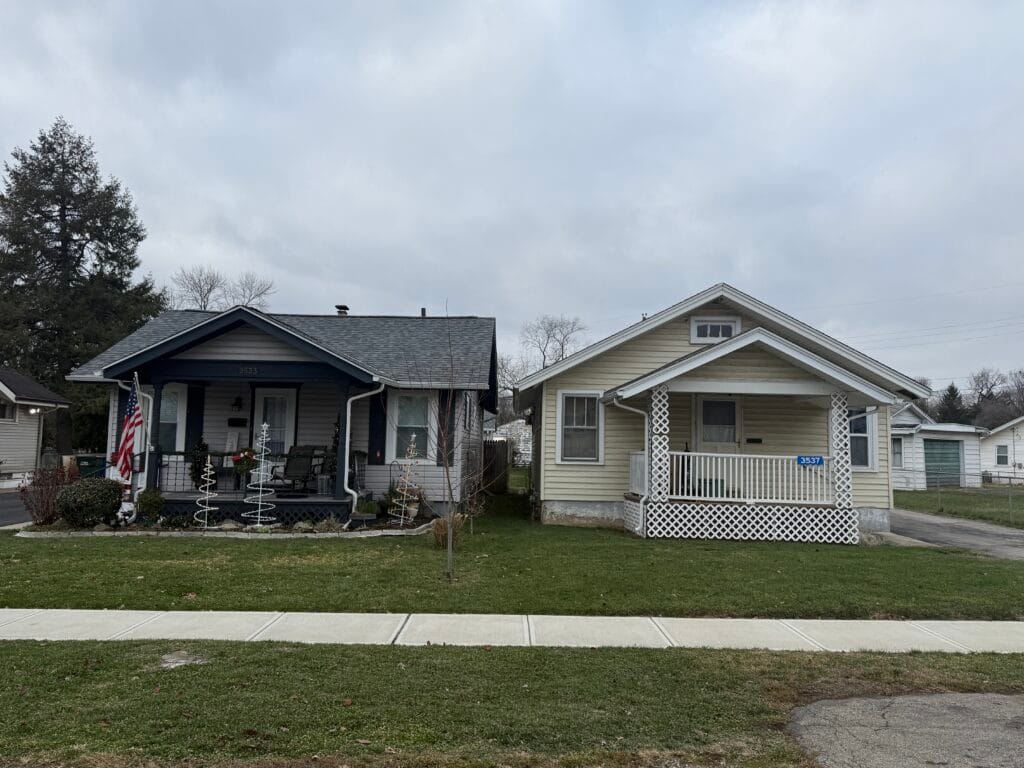
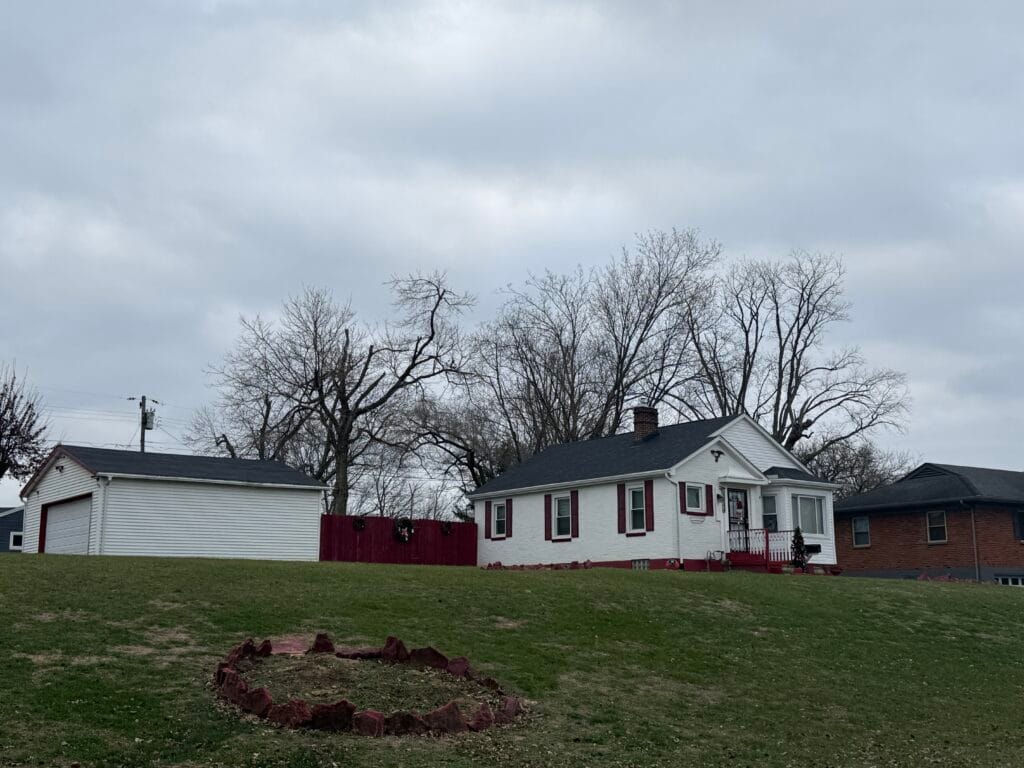
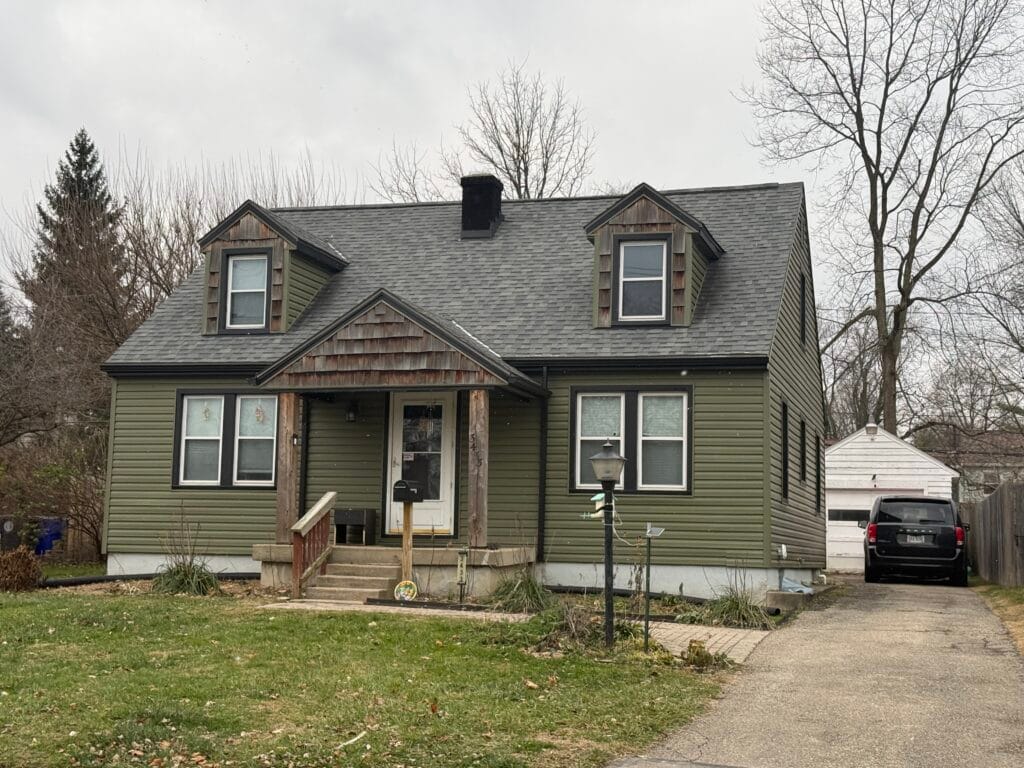
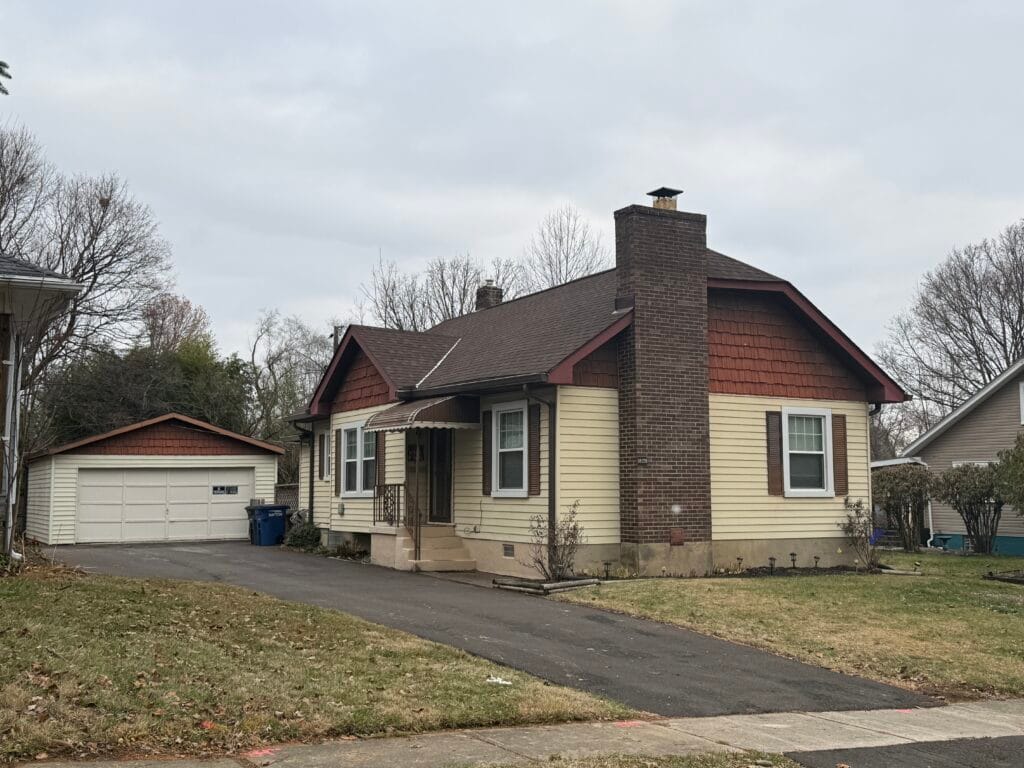
Minimal traditional and early post-war homes appear throughout the neighborhood as well. These properties often include:
• Modest two-story or one-and-a-half-story layouts
• Hardwood floors and plaster walls
• Covered porches or small entry stoops
• Larger backyards shaped by the terrain
• Detached garages accessible via short driveways
These homes offer charm and practicality, appealing to buyers who want a classic, no-nonsense house.
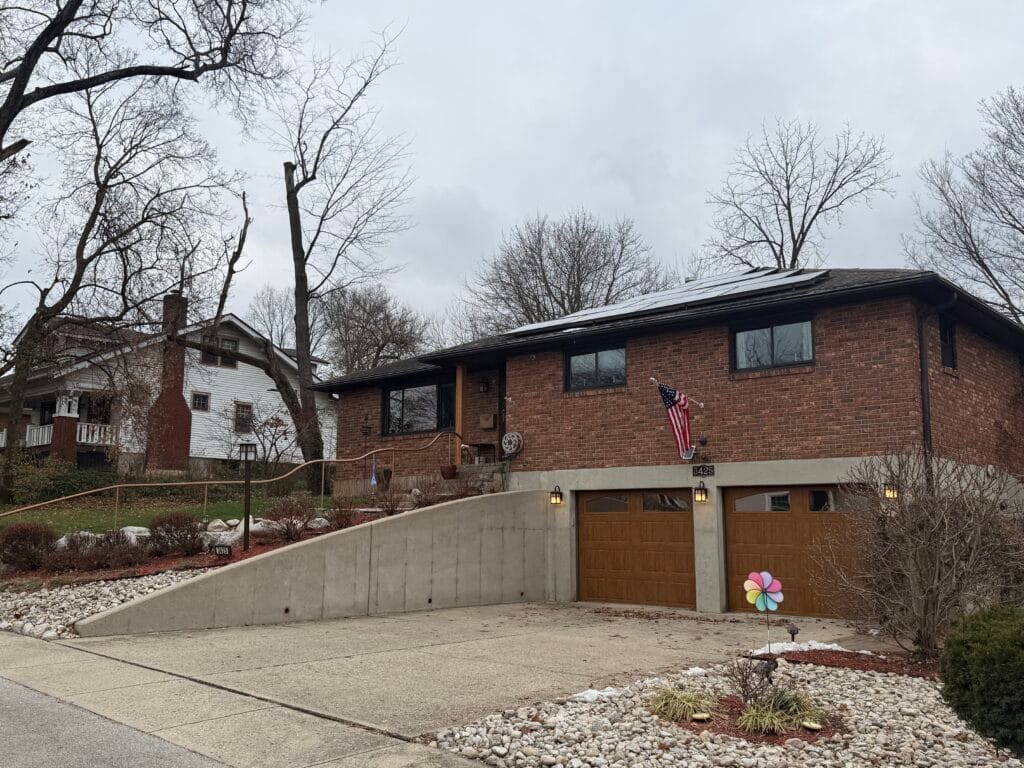
Split-level and bi-level homes are scattered through DeWeese, reflecting 1960s-era building trends. These homes typically include:
• Distinct living areas separated by short staircases
• Larger windows
• Open living/dining combinations
• Lower-level family rooms or bonus spaces
• Integrated garages
Buyers who enjoy unique floorplans and extra interior space often appreciate split-level designs.
Because many homes in DeWeese back up to wooded areas, ravines, or greenbelts, the neighborhood’s housing feels more connected to nature than homes in denser urban environments. Many properties feature backyard slopes, mature trees, natural shade, and wildlife activity—elements that define the daily living experience in this part of Dayton.
Neighborhood Layout and Natural Terrain
DeWeese is shaped as much by its natural environment as by its residential planning. The Stillwater River corridor carves through the area, creating sloping banks, tree-dense landscapes, and pockets of green space. Instead of strict lines and uniform blocks, the neighborhood follows the land, resulting in winding streets, small residential sub-pockets, and a layout that encourages walking, outdoor recreation, and scenic views.
The Stillwater River Influence
The Stillwater River is the defining geographic feature of DeWeese. Its presence shapes:
• The neighborhood’s topography
• Trails and walking paths
• Wildlife movement
• Floodplain boundaries
• Park placement
• Scenic residential pockets
Buyers who enjoy proximity to water, wooded trails, and river views often select DeWeese specifically for these environmental qualities.
Residential Pockets off Ridge Avenue and Near the Museum
The majority of DeWeese’s housing sits in tranquil pockets off Ridge Avenue and surrounding the Boonshoft Museum of Discovery. These streets typically include:
• Small clusters of mid-century homes
• Quiet, low-traffic environments
• Front yards shaded by mature trees
• Homes facing wooded backdrops or natural slopes
• A calm, cohesive residential feel
These areas appeal to first-time buyers, downsizers, and nature-centered households who want manageable homes within a peaceful setting.
The DeWeese Park / Natural Science Corridor
The land surrounding the museum and the Dayton Playhouse creates a unique neighborhood identity. Buyers exploring DeWeese quickly notice:
• Nature trails winding through parkland
• Educational and cultural programs at the museum
• Scenic overlooks along the Stillwater River
• Playgrounds, gardens, and wildlife observation points
• A quiet rhythm shaped by visitors and outdoor activity
This combination of culture and natural beauty makes DeWeese feel like no other Dayton neighborhood.
Lot Sizes and Exterior Layouts
Homes in DeWeese generally sit on moderately sized to large lots, particularly in areas shaped by the terrain. Buyers will find:
• Generous front lawns with shade trees
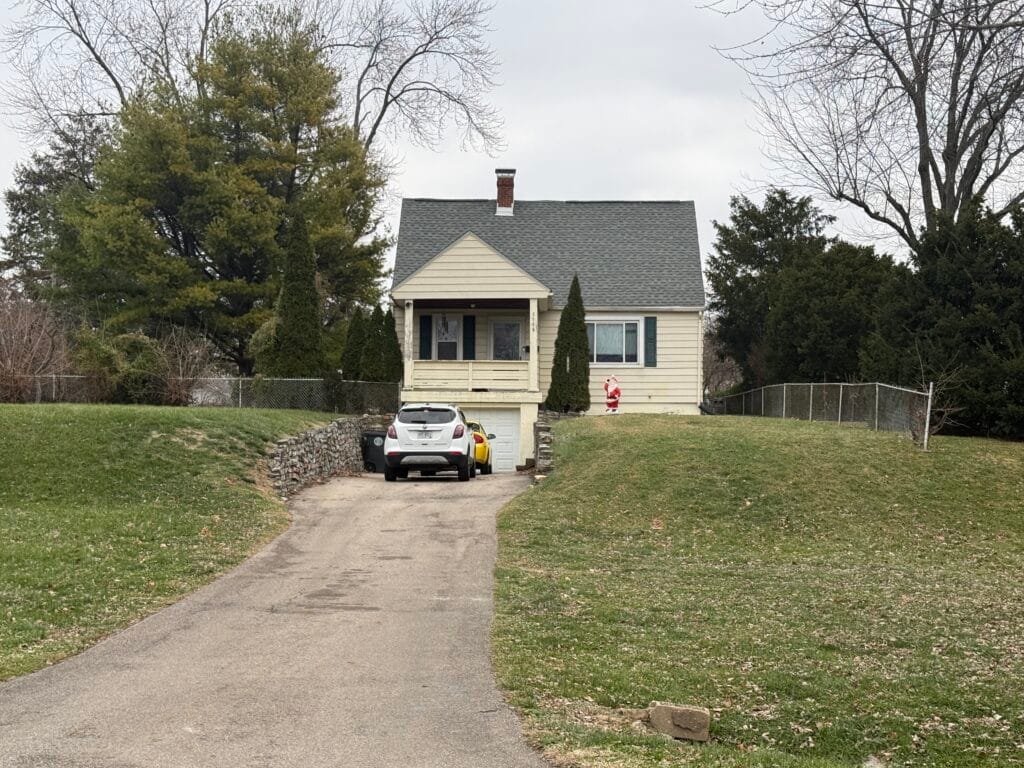
• Backyards that slope into wooded areas or rise toward ridgelines
• Detached garages common among older homes
• Occasional fenced yards or terraced landscaping
• Ample outdoor space for gardening and recreation
The terrain can create unique yard configurations—some level, others rolling—but nearly every home enjoys a sense of natural privacy uncommon in urban neighborhoods.
Street-by-Street Character and Micro-Identities
Because DeWeese is not a traditional grid neighborhood, each residential pocket has its own micro-identity influenced by tree density, slope, home style, and proximity to the river or cultural attractions.
Wooded Interior Streets
Interior streets offer:
• Dense tree canopies
• Quiet, shaded sidewalks
• Homes set back comfortably from the road
• A strong sense of seclusion despite central location
These areas attract buyers who want tranquility above all else.
Streets Near the Cultural Corridor
Blocks near the museum and playhouse feel more active, though still residential. Homes here benefit from:
• Walkability to attractions
• Easy access to trails and green space
• Slightly more pedestrian traffic
• A lively but still peaceful environment
Buyers who enjoy community engagement and cultural experiences often prefer these streets.
Streets Near the River and Natural Slopes
Properties closer to the Stillwater River tend to offer:
• Scenic backyard views
• Natural shade and wildlife presence
• Larger lot sizes
• A retreat-like atmosphere
These homes appeal to nature-oriented buyers who want peace, privacy, and outdoor activity in their daily life.
Interior Features and Floorplans
Interior layouts across DeWeese reflect classic mid-century building norms. Most homes offer:
• Two or three bedrooms on the main level
• Traditional kitchens near back entrances
• Living rooms at the front of the home
• Hardwood floors in older properties
• Finished or unfinished basements
• Modest hallways and compact bedrooms
• Large windows framing wooded views
Some homes have undergone modern updates, while others remain in original condition. This variety provides options for buyers seeking either turnkey living or improvement opportunities.
Neighborhood Identity and Daily Atmosphere
DeWeese has one of the most distinct atmospheres in Dayton. It combines quiet residential streets, wooded trails, cultural landmarks, wildlife corridors, and open space—creating a neighborhood that feels more like a nature retreat than an urban district.
Daily life often includes:
• Walking wooded paths near the museum
• Listening to seasonal outdoor performances
• Spotting deer, birds, and small wildlife
• Sitting on porches shaded by 60-year-old trees
• Enjoying the calm flow of the Stillwater River
• Accessing cultural education within minutes of home
• Relaxed evenings without traffic or noise
Buyers who want a peaceful, scenic, and nature-oriented lifestyle will find DeWeese to be one of the most rewarding neighborhoods in the region.
What You Can Buy in DeWeese at Different Price Points
Because DeWeese is both small and unique, housing inventory is limited, but the variety of home conditions and locations within the neighborhood creates an interesting spread of price tiers. Buyers exploring DeWeese will find everything from fully updated mid-century homes to original-condition properties that sit on scenic, wooded lots. Each price bracket offers distinct advantages depending on a buyer’s preference for move-in readiness, renovation potential, and proximity to the river or cultural attractions.
$190,000 and Up — Fully Updated, Scenic, or Larger Homes
Homes priced above $190,000 in DeWeese represent the upper end of the neighborhood’s offerings. These properties often include:
• Fully updated interiors with modern kitchens and bathrooms
• Newer mechanical systems and electrical service
• Refinished hardwood floors
• Replaced windows for better energy efficiency
• Expanded decks or patios facing wooded backdrops
• Attached or updated garages
• Landscaping and exterior improvements
Homes in this tier attract buyers who want the serenity and lifestyle of DeWeese without the need for renovation. Because the neighborhood’s natural setting is one of its biggest draws, properties with views, shade trees, or proximity to the Stillwater River often command higher prices. Buyers who prefer predictable maintenance schedules and modern comfort levels find this tier particularly appealing.
$150,000–$190,000 — Well-Maintained Homes with Partial Updates
Many DeWeese homes fall into this category, where buyers gain a blend of character and updated functionality. These properties typically offer:
• Kitchens with newer appliances or cabinetry
• Bathrooms updated over time
• Solid mechanicals with reasonable remaining lifespan
• Clean, well-maintained interiors
• Fresh paint or improved flooring
• Classic mid-century layouts and charm
This price tier is especially popular among first-time buyers who want a comfortable home with manageable improvement opportunities. The combination of affordability, solid construction, and location near trails and cultural amenities makes this range a strong value.
$115,000–$150,000 — Dated but Structurally Sound Homes
Homes in this bracket represent one of DeWeese’s most accessible and attractive opportunities. These properties usually feature:
• Kitchens and baths ready for modernization
• Original hardwood floors needing refinishing
• Aging mechanicals that still function well
• Original windows or doors
• Modest cosmetic wear
• Mid-century layouts with efficient space use
These homes appeal to buyers who want equity-building potential without taking on overwhelming renovation projects. Because many properties in this tier sit on scenic lots with mature trees, the long-term lifestyle appeal remains strong even before updates are completed.
$85,000–$115,000 — Homes Needing Moderate Repairs or Cosmetic Upgrades
Properties in this range may need more significant updating but remain very manageable for buyers who are comfortable with DIY work or hiring contractors. Typical conditions include:
• Older HVAC or water heaters
• Original kitchen cabinetry and appliances
• Bathrooms needing complete remodels
• Flooring updates
• Exterior paint or siding repair
• Landscaping improvement opportunities
The affordability of this tier makes it attractive to buyers who value location above immediate modern finishes. DeWeese homes in this category often sit on beautiful lots with strong long-term potential.
$50,000–$85,000 — Full Renovation Opportunities
Although relatively rare due to the neighborhood’s size and stability, some homes fall into this price range. These properties typically require:
• Full kitchen and bath renovations
• Electrical upgrades
• Plumbing modernization
• Roof repair or replacement
• Structural or moisture mitigation work
• Window and insulation replacement
• Significant cosmetic refresh
These homes appeal most to buyers with renovation experience or those willing to take on a substantial project in exchange for long-term value in a nature-rich neighborhood. The payoff can be immense: a restored home in one of Dayton’s most scenic pockets.
Who DeWeese Works Best For
DeWeese attracts a unique profile of buyers—those who appreciate nature, tranquility, modest home sizes, and quick access to cultural amenities. Because the neighborhood blends mid-century housing with expansive natural scenery, it appeals to residents seeking a balanced lifestyle that feels removed from the city, even while being minutes from it.
Buyers Who Prioritize Nature, Green Space, and Quiet Living
One of DeWeese’s strongest appeals is its natural setting. Buyers who enjoy wildlife, wooded views, riverside trails, and peaceful evenings gravitate toward this neighborhood. It feels like a retreat without sacrificing convenience.
First-Time Buyers Seeking Manageable Home Sizes
Most DeWeese homes are built with practical dimensions—two or three bedrooms, one or two baths, and modest square footage. These sizes appeal to first-time buyers tired of small apartments but not yet ready for large suburban properties.
Buyers Who Want Proximity to Cultural Amenities
The Boonshoft Museum of Discovery, the Dayton Playhouse, and nearby gardens offer unparalleled cultural access. Many residents appreciate being able to walk to events, exhibits, or performances.
Professionals Working in Downtown or North Dayton
DeWeese provides fast commuting access to:
• Downtown Dayton
• Health networks
• The aerospace and industrial zones of North Dayton
• Highway ramps serving the greater Miami Valley
Buyers who prioritize commute efficiency often see DeWeese as an ideal balance of lifestyle and accessibility.
Buyers Who Enjoy Outdoor Recreation
The neighborhood sits at the center of a natural corridor, offering:
• Walking trails
• Wildlife viewing
• River access points
• Parks and gardens
• Opportunities for daily outdoor activity
For buyers who want recreation close to home, DeWeese delivers unmatched value.
Lifestyle Fit and Day-to-Day Living in DeWeese
Daily life in DeWeese is calm, scenic, and defined by access to nature. Even though the neighborhood lies within the city limits, it feels far more secluded than Dayton’s grid-based neighborhoods. The combination of parkland, cultural institutions, and wooded residential pockets shapes a lifestyle centered around relaxation, exploration, and outdoor enjoyment.
Common features of daily living include:
• Morning walks beneath tall shade trees
• Hearing birds and wildlife more often than traffic
• Visiting the museum or playhouse on weekends
• Gardening or maintaining shaded lawns
• Relaxing on porches sheltered by mature foliage
• Experiencing a strong sense of natural privacy
The pace is noticeably slower than in denser neighborhoods. Buyers seeking calm, reflection, and nature integration find DeWeese especially appealing.
Amenities, Recreation, and Scenic Resources
DeWeese is unique in that its amenities are primarily cultural and environmental rather than commercial. The neighborhood’s attractions are some of Dayton’s most well-known institutions, drawing visitors from across the region.
Boonshoft Museum of Discovery anchors the cultural landscape. This family-friendly museum blends natural science, history, and hands-on learning. Residents often attend events, exhibits, and seasonal programs.
Dayton Playhouse offers community theater within walking distance for many residents. Its performances are beloved local traditions.
Wegerzyn Gardens MetroPark, just north of the neighborhood, provides:
• Botanical gardens
• Nature trails
• River access
• Seasonal plant displays
• Children’s gardens
• Picnic areas
The Stillwater River itself is a major recreational asset. Residents enjoy views, walks along its edges, and occasional opportunities for kayaking or fishing in appropriate areas.
For buyers who value experiences over retail convenience, DeWeese offers an unmatched lifestyle.
Walkability and Movement Within the Neighborhood
Walking in DeWeese feels different than walking in most Dayton neighborhoods. Instead of long, straight grids, residents walk winding streets, shaded paths, and scenic edges. While the area is not walkable for commercial errands, it is highly walkable for recreation and relaxation.
Walkability highlights include:
• Museum grounds
• Trails surrounding the cultural district
• Tree-lined residential streets
• Scenic river overlooks
• Walks to the Dayton Playhouse
For physical activity and mental rest, DeWeese is one of the most walkable, green environments in the city.
Commuting and Transportation
DeWeese sits in a strategic corridor that makes commuting simple without sacrificing the neighborhood’s secluded feel. Residents have fast access to:
• Downtown Dayton (under 10 minutes)
• North Dayton industrial and aerospace employers
• Hospitals and major health campuses
• US-4, I-75, and related highway ramps
• Surrounding north and northwest neighborhoods
Public transportation routes also run along Ridge Avenue and nearby corridors. For buyers who want calm residential living with efficient commuting, DeWeese provides a strong balance.
Strengths and Challenges for Buyers
Neighborhood Strengths
• Peaceful, scenic environment
• Strong presence of parkland and cultural institutions
• Manageable mid-century home sizes
• Excellent recreational opportunities
• Easy commuting access
• Long-term residents who maintain neighborhood stability
• Unique lifestyle appeal compared to other Dayton neighborhoods
Buyer Challenges
• Limited housing inventory due to small size
• Homes may require updates due to mid-century age
• Terrain may limit backyard usability in some locations
• Fewer large or historic homes than triangle districts
• Commercial amenities require short drives rather than walking
Most challenges are manageable and offset significantly by the neighborhood’s natural appeal and long-term livability.
Buying in DeWeese vs. Continuing to Rent Nearby
Renters exploring the DeWeese area often discover that homeownership offers advantages unavailable in nearby apartment communities. Because DeWeese homes are modest in size and priced affordably, monthly mortgage payments often align closely with local rents.
Owning a home in DeWeese provides:
• A quiet, scenic environment unavailable in most rental markets
• The ability to personalize and update the property
• Predictable payments
• Long-term financial investment
• A higher quality of lifestyle for outdoor-focused buyers
• Greater stability and privacy
For renters who seek calm natural surroundings and want access to trails, parkland, and cultural attractions, DeWeese represents a major upgrade in daily quality of life.
Inspection Expectations and Common Findings in DeWeese Homes
Because DeWeese’s residential pockets were largely built between the 1940s and the 1960s, inspection reports typically reveal issues common to mid-century construction rather than the intricate historic-home concerns found in older Dayton districts. However, the presence of natural terrain, wooded slopes, and river-adjacent land adds additional nuances that buyers should understand when evaluating any home in this neighborhood.
Mechanical systems are often among the first items highlighted in DeWeese inspections. Furnaces, air conditioners, and water heaters may vary significantly in age from property to property. Inspectors frequently note:
• HVAC systems older than 15 years but still functional
• Ductwork needing sealing or cleaning
• Insulation levels inconsistent with modern standards
• Water heaters approaching recommended replacement timelines
These findings are predictable for homes built during the mid-century expansion and are usually manageable through routine planning rather than immediate action.
Electrical systems reflect decades of gradual modernization. Buyers may encounter:
• Breaker panels installed in earlier renovation cycles
• Mixed wiring types from phased updates
• Outlets requiring grounding
• Older lighting fixtures needing replacement
• Insufficient amperage for high-demand buyers
Because DeWeese homes are relatively modest in size, panel upgrades and grounding work tend to be straightforward projects with strong long-term value.
Plumbing systems vary, particularly in older properties. Common findings during inspections include:
• Original cast iron drain lines exhibiting interior scaling
• Occasional galvanized supply lines reducing water pressure
• Copper or PEX lines added during partial updates
• Recommendations for periodic maintenance or gradual replacement
These issues are typical for mid-century homes across Dayton and should be viewed as part of the natural lifecycle of older mechanical systems.
Roofing is another area where inspectors focus attention. Because many DeWeese homes sit beneath mature trees, roof maintenance is especially important. Inspections often reveal:
• Shingle wear accelerated by shade and moisture
• Moss or leaf accumulation
• Gutters requiring regular clearing
• Branches overhanging rooflines
• Occasional chimney or flashing concerns
Buyers should expect regular roof and gutter care in DeWeese due to canopy coverage, but this is a manageable tradeoff for the shade and natural beauty provided by the neighborhood’s trees.
Terrain, Natural Environment, and Unique Inspection Considerations
The natural setting of DeWeese introduces several additional factors that inspectors often address and buyers should understand. These considerations are not necessarily negative; they are part of the tradeoff that comes with living in a wooded, river-adjacent neighborhood.
Tree Coverage and Vegetation
Mature trees create an inviting environment but can require thoughtful maintenance. Inspection reports often highlight:
• Tree limbs positioned too close to rooflines
• Leaves accumulating in gutters
• Tree root systems near older sewer lines
• Shading that slows roof drying after rain
• Vegetation positioned close to foundations
Buyers who appreciate wooded surroundings typically find tree care to be a routine part of ownership rather than a burden.
Sloped Lots and Drainage
Because many DeWeese homes sit on rolling or sloped terrain, drainage becomes a key consideration. Inspectors may note:
• Downspout extensions needed to direct water farther from the home
• Grading adjustments required to prevent pooling
• Natural pathways where water flows during storms
• Basement seepage consistent with mid-century construction
• Recommendations for sump pumps or interior drainage systems
These issues do not automatically signal foundation problems; they are simply part of maintaining a home integrated into natural topography.
Floodplain Boundaries Near the Stillwater River
Most DeWeese homes sit comfortably outside the floodplain, but some proximity areas near the cultural district or lower-slope pockets may reflect flood-zone designations. Inspection and appraisal processes will often reference:
• FEMA flood maps
• Historic water flow data
• Whether flood insurance is recommended or required
• Whether a home’s grade offers natural protection
Many DeWeese buyers value river adjacency and choose properties that balance scenic benefits with proper risk assessment.
Wildlife Interactions
Because DeWeese borders green space and river habitat, buyers frequently observe wildlife such as deer, rabbits, foxes, and songbirds. Inspectors sometimes provide guidance on:
• Securing trash bins
• Protecting gardens from grazing animals
• Addressing small entry gaps for critters near foundations
• Managing landscaping to reduce unwanted intrusions
Most residents appreciate the neighborhood’s wildlife presence as part of its charm.
Long-Term Investment Value and Market Stability
DeWeese offers strong long-term investment potential, driven by its natural setting, cultural significance, and stable housing stock. While the neighborhood does not experience the same architectural grandeur as Dayton’s historic districts, its value is rooted in its lifestyle appeal—a quality that increasingly resonates with modern buyers.
Several factors support long-term appreciation:
• **Nature-integrated housing remains in high demand** among buyers seeking peace and greenery.
• **Proximity to cultural institutions** enhances neighborhood identity and appeal.
• **Limited geographic size** restricts supply, supporting stable demand.
• **Mid-century construction tends to be durable**, offering lower maintenance costs compared to older homes.
• **Easy commuting access** ensures desirability for professionals.
• **Lifestyle amenities such as trails, gardens, and the river** set DeWeese apart from more urban neighborhoods.
These factors help DeWeese maintain strong buyer interest across a range of market conditions. Homes here may not experience rapid spikes in value, but they tend to hold steady and attract long-term residents who care deeply about their surroundings.
Ideal Pathways for Renters Entering DeWeese
Renters considering a move into DeWeese often follow a straightforward pathway into homeownership. Because the neighborhood’s homes are modest in size and priced accessibly, the leap from renting to owning is often smaller than expected.
The process begins with a budget assessment. Many renters discover that mortgage payments in DeWeese—combined with manageable utility costs—are comparable to rent for apartments without outdoor space, wooded surroundings, or access to parkland.
Next, renters benefit from touring multiple home styles within the neighborhood. Seeing a mix of ranch homes, split-level properties, and mid-century layouts gives clarity on what fits their lifestyle. Many find themselves drawn to homes with shaded yards, backyard privacy, or scenic views.
Inspection literacy plays an important role, particularly because mid-century homes reveal patterns distinct from newer construction. Understanding typical findings—older windows, aging mechanicals, or minor drainage needs—helps renters approach ownership with realistic expectations.
Negotiating the offer and completing the closing process is often straightforward with proper guidance. Buyers who value calm living, nature access, and long-term stability frequently feel confident taking the step from renting to owning in DeWeese.
How Dayton Proper Helps Buyers Navigate DeWeese
Buying a home in DeWeese requires understanding not just mid-century construction but also the neighborhood’s environmental dynamics. Dayton Proper helps buyers evaluate properties holistically—looking at condition, terrain, lifestyle fit, commuting needs, and long-term goals.
The process begins with clarifying what the buyer values most. Some prioritize wooded views, others want minimal maintenance, and some want walking access to cultural amenities. Dayton Proper identifies which pockets of DeWeese align best with those goals.
During home tours, guidance centers on recognizing the characteristics of mid-century homes, such as:
• Floorplan efficiency
• Mechanical system age
• Window performance
• Drainage patterns
• Roof condition relative to tree coverage
• Renovation potential
This helps buyers differentiate between manageable issues and larger projects requiring attention.
Offer preparation balances market trends, home condition, and buyer strategy. Because DeWeese inventory is limited, strong offer positioning helps buyers secure desirable properties.
Inspection interpretation is especially important in DeWeese. Dayton Proper helps buyers understand findings in context—what they mean, what they cost, and how they fit into long-term ownership. This reduces stress and ensures smart decision-making.
The closing phase involves coordinating with lenders, inspectors, and title professionals to deliver a smooth, predictable process. Ultimately, Dayton Proper guides buyers into homes that fit their lifestyle and long-term vision for living near Dayton’s natural and cultural corridors.
Daily Living and Neighborhood Atmosphere
Life in DeWeese blends relaxation, nature, and cultural engagement. The presence of parkland, wooded terrain, and river pathways creates a peaceful backdrop for daily routines. Residents often describe the neighborhood as feeling like a retreat from the city—even though it sits minutes away from major employment centers.
Common elements of daily life include:
• Walking to the Boonshoft Museum for weekend activities
• Attending performances at the Dayton Playhouse
• Watching wildlife from back porches or kitchen windows
• Enjoying shaded sidewalks during evening walks
• Gardening in spacious front or backyards
• Using the Stillwater River corridor for recreation
• Experiencing quieter nights with minimal traffic noise
For buyers who value quiet environments, DeWeese offers a rare combination of natural immersion and urban convenience.
Comparing DeWeese to Similar or Nearby Neighborhoods
Buyers evaluating DeWeese often compare it to nearby or environmentally similar neighborhoods to better understand its unique qualities. These comparisons help clarify whether DeWeese aligns with lifestyle goals and home preferences.
• Hearthstone: Similar in home age and modest home sizes but without the deep natural corridor of DeWeese.
• McCook Field: Offers access to green spaces but is more urban with tighter layouts.
• Old North Dayton: Larger and more diverse housing stock with more commercial access but less wooded density.
• Highview Hills: Comparable mid-century homes but fewer cultural attractions and less river access.
• Five Oaks: Much older, more architecturally ornate homes for buyers who prefer early-20th-century craftsmanship.
• Grafton Hill: Offers historic grandeur and proximity to downtown, but less nature immersion.
• Shroyer Park: Similar balance of calm streets and modest home sizes, though located on the south side and without the cultural-corridor identity.
These comparisons help buyers see where DeWeese fits within Dayton’s real estate landscape—distinct not because of home size or architectural drama, but because of scenery, nature, and livability.
Expanded Internal Links to Dayton Neighborhood Guides
Buyers considering DeWeese often explore multiple neighborhoods before making a decision. These additional guides provide context:
Belmont
Westwood
Grafton Hill
Five Oaks
Residence Park
Old North Dayton
Hillcrest
Shroyer Park
All Dayton Neighborhood Guides
Next Steps for Buyers Considering DeWeese
DeWeese offers one of the most peaceful, scenic, and lifestyle-rich environments in Dayton. Buyers who value nature, cultural access, mid-century architecture, and a strong sense of calm often find the neighborhood to be an ideal long-term home. Whether pursuing a move-in-ready property or a renovation opportunity, DeWeese provides a unique blend of environment and practicality.
Those ready to take the next step can begin with a conversation to clarify budget, lifestyle preferences, and the types of properties that align with their goals. Touring homes, reviewing inspection findings, and evaluating the neighborhood’s natural features help buyers make informed, confident decisions.
Start your DeWeese home search today.
Visit: https://buy.daytonproper.com