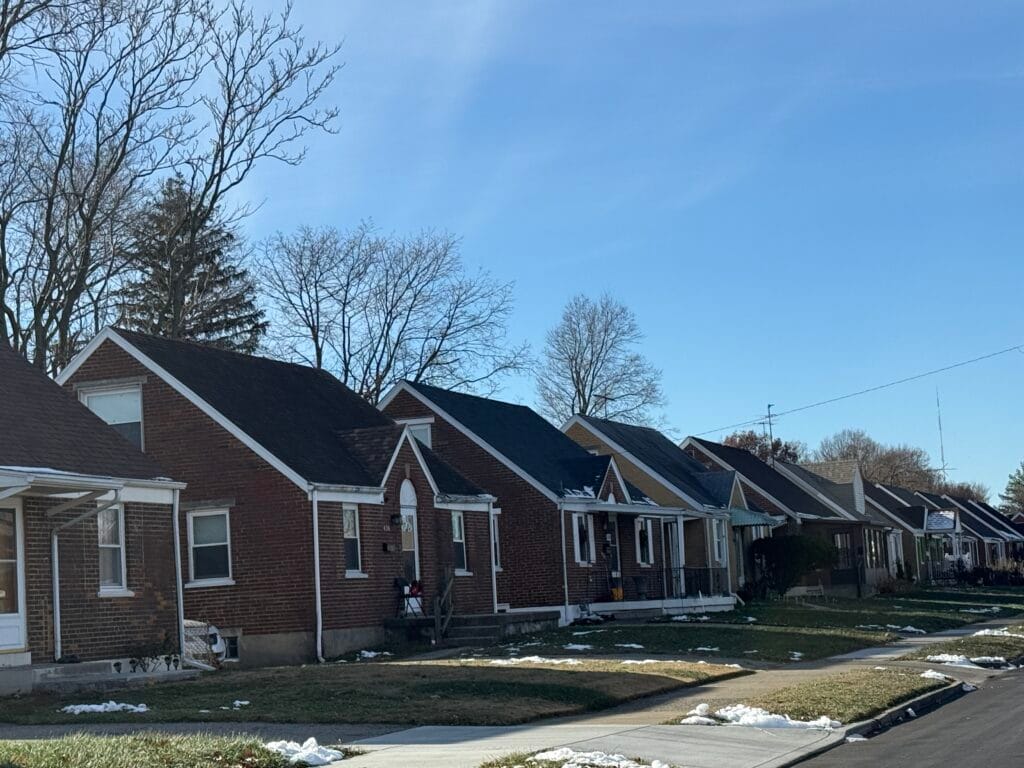
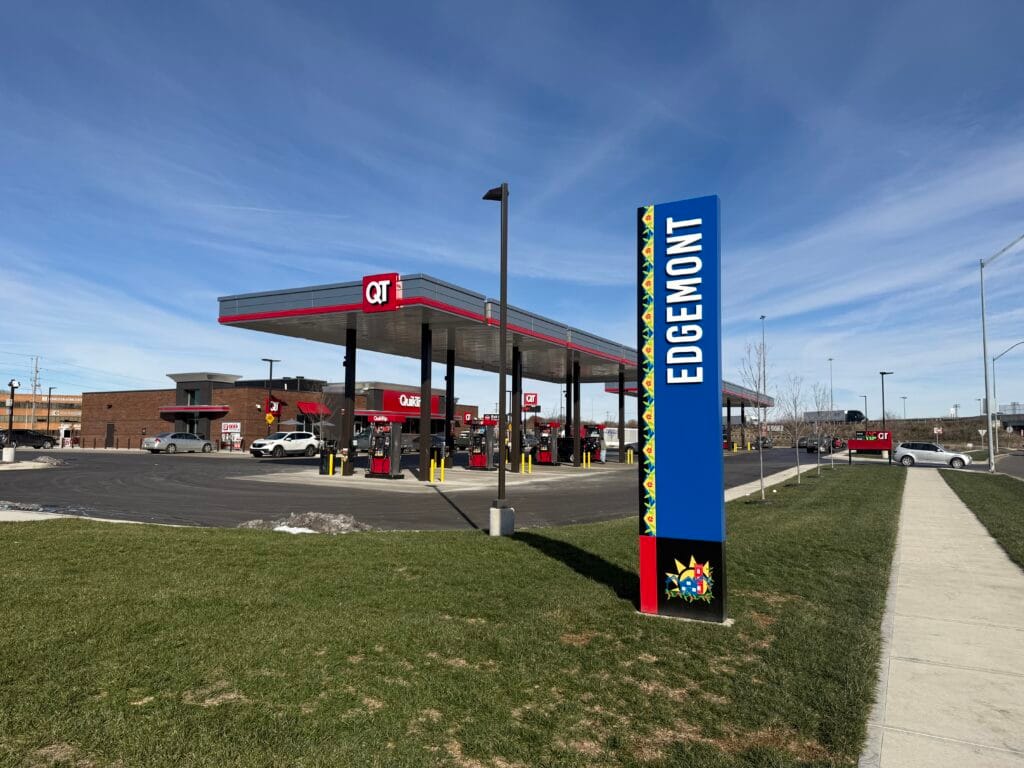
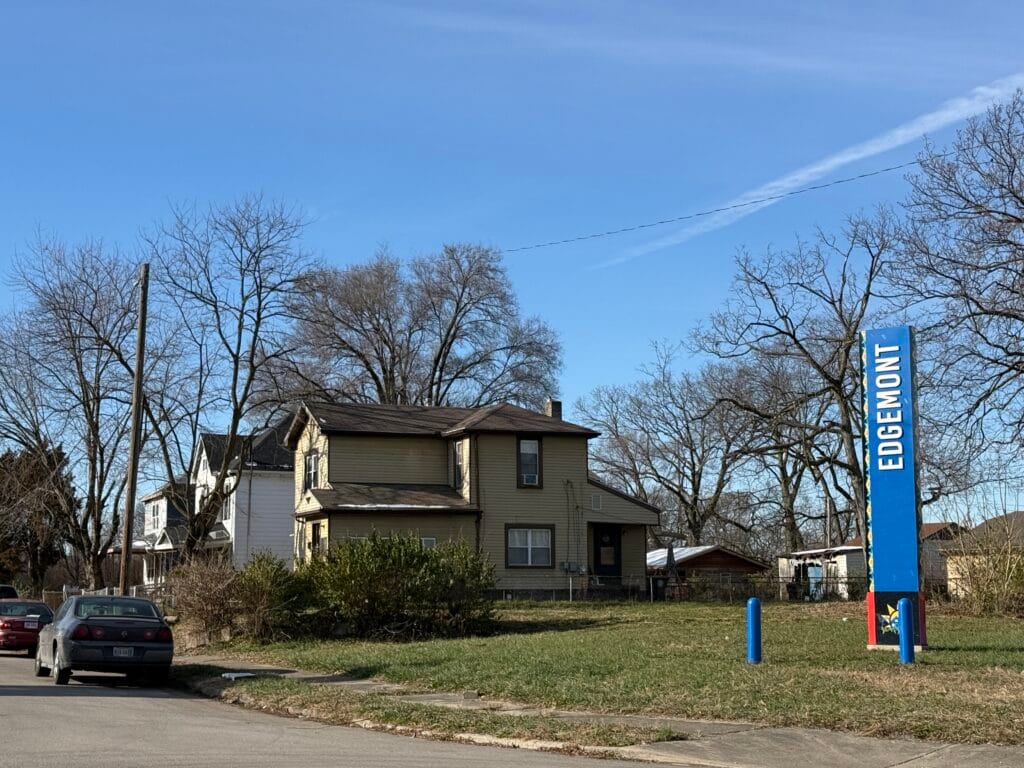
Buying a home in Edgemont; Edgemont is one of Dayton’s most historic, culturally influential, and architecturally rich neighborhoods—a tight-knit west-side community with deep roots, strong identity, and a long tradition of neighborhood pride. While the broader west side has seen decades of change, Edgemont has retained a core residential character shaped by early 20th-century homes, long-time residents, and a layout that reflects its industrial-era origins. For renters exploring west-side homeownership, Edgemont offers a rare combination of affordability, location, heritage, and an unmistakable sense of place.
Many Dayton neighborhoods developed in waves—suburbanization, wartime housing, post-war expansion—but Edgemont’s origins go back much further. It grew alongside the factories, rail lines, and industrial corridors that shaped Dayton’s early working-class communities. Today, this history is still visible in the architecture: a blend of American Foursquare homes, early 1900s cottages, brick two-story residences, classic bungalow designs, and sturdy frame houses built to last. While some homes require renovation, the underlying construction quality and vintage craftsmanship make Edgemont one of Dayton’s most interesting neighborhoods for buyers who value character and history.
The Edgemont name often refers to both the official neighborhood and the surrounding residential pockets near Lakeview, Germantown Street, McCall, and the rail corridors that once defined the west side’s employment landscape. In real estate conversations, “Greater Edgemont” typically includes these adjoining blocks because they share the same early 20th-century architectural DNA and community culture. Buyers exploring the area will encounter consistent patterns: traditional porches, deep lots, walkable blocks, and homes with the kind of stylistic detail rarely found in newer Dayton neighborhoods.
Selling in Edgemont? Free value report + cash offer options.
A Detailed History of Edgemont
Edgemont’s story is intertwined with Dayton’s industrial rise. As factories, mills, and rail lines expanded along the Great Miami River in the late 19th and early 20th centuries, workers sought housing close to employment centers. Edgemont quickly became a hub for working families—particularly those tied to Dayton’s manufacturing, machining, and railroad industries.
Unlike mid-century neighborhoods that followed standardized suburban planning, Edgemont developed organically. Streets formed around rail access, industrial sites, and community gathering places. Many of the earliest homes were built between 1900 and 1930, reflecting the architectural styles popular at the time. The neighborhood grew steadily as Dayton expanded westward, and Edgemont soon developed its own identity as a culturally important area known for strong community institutions, civic engagement, and multigenerational families.
Through the 20th century, Edgemont served as a center of leadership, cultural development, and activism on the west side. Churches, neighborhood associations, and community organizations played major roles in shaping the neighborhood’s identity. Edgemont residents were known for their involvement in civic affairs, education, and business, forming a reputation for resilience and unity that continues today.
Although economic shifts and industrial changes affected the west side during the late 20th century, Edgemont retained its community structure. Many homes remained in the same families for generations, and the neighborhood’s cultural institutions stayed active. This continuity helps preserve Edgemont’s identity and creates opportunities for buyers seeking homes with deep historical roots and architectural character.
Architectural Styles in Edgemont
Edgemont is one of Dayton’s most architecturally diverse neighborhoods, particularly among early 20th-century working-class districts. Many of the homes here were built during periods of strong craftsmanship, with details rarely found in modern construction.
American Foursquare Homes
A signature style in Edgemont, the American Foursquare features:
• Two-story square or nearly square layouts
• Full-width front porches
• Simple, elegant rooflines
• Large interior rooms
• Turned-wood staircases and trim in many original builds
These homes are ideal for buyers who want space, charm, and long-term renovation potential.
Craftsman and Bungalow Homes
Scattered throughout Edgemont are classic bungalow designs with:
• Overhanging eaves
• Wood or brick exteriors
• Deep front porches
• Large living rooms with fireplace mantels
• Built-in cabinetry in some interiors
These homes appeal to buyers who appreciate early 20th-century craftsmanship and cozy, character-rich living spaces.
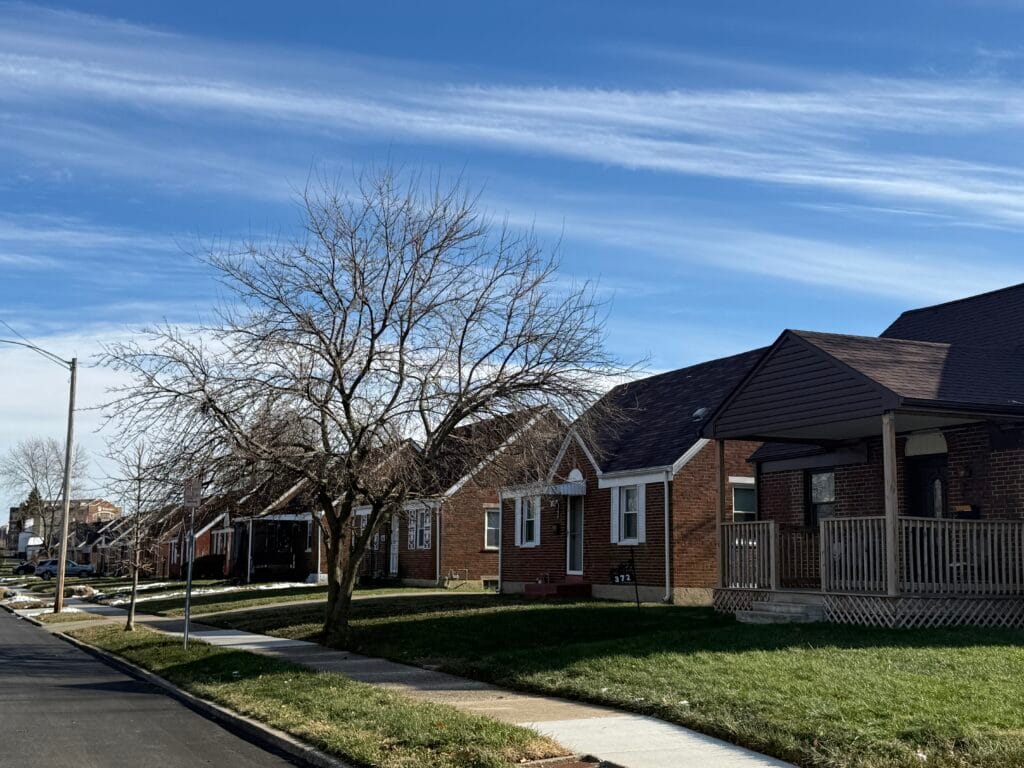
Early Frame Cottages and Worker Homes
Some of Edgemont’s earliest houses reflect practical worker-home architecture, featuring:
• Narrow footprints
• Simple but durable exterior designs
• Efficient room layouts
• Deep backyards
• Potential for interior modernization
These homes often offer excellent affordability and renovation opportunity.
Brick Two-Story Residences
Several pockets of Edgemont include brick homes built during the early 1900s. These properties typically offer:
• Strong exterior durability
• Larger bedrooms
• Traditional layouts
• Basements with high ceilings
• Front porches or stoops
Brick homes provide long-term value and strong renovation potential.
Mid-Century Additions
Some blocks include mid-century infill builds from the 1940s–1960s, offering:
• Ranch-style simplicity
• One-story living
• Manageable yards
• Efficient interiors
These homes create stylistic variety within the broader early 20th-century framework.
Neighborhood Layout and Physical Character
Edgemont’s layout reflects its industrial-era origins. Streets run in compact grids, forming walkable blocks with deep lots and homes positioned close to front sidewalks. The neighborhood’s physical character includes:
• Traditional porches encouraging social interaction
• Mature street trees
• Narrower roadways typical of early Dayton neighborhoods
• Corner stores and former commercial buildings repurposed for community use
• Proximity to historic rail corridors
• Views of the Great Miami River from select pockets
• Convenient access to Germantown Street and Lakeview
This walkable layout contributes to Edgemont’s neighborhood identity—residential, grounded, and community-oriented.
Residential Pockets Within Greater Edgemont
Greater Edgemont can be divided into several micro-areas with distinct features.
North Edgemont (Near Lakeview)
This area includes larger early 20th-century homes with stronger architectural presence. Buyers can expect:
• Bigger lots
• Brick exteriors
• More ornate interior woodwork
• Deeper porches and classic staircases
This section complements buyers who want character-rich homes with higher renovation potential.
Central Edgemont (Neighborhood Core)
The neighborhood interior includes a mix of Foursquares, cottages, and frame homes with:
• Walkable blocks
• Consistent early 20th-century style
• Strong community feel
• Affordable renovation opportunities
This core area offers the most authentic Edgemont experience.
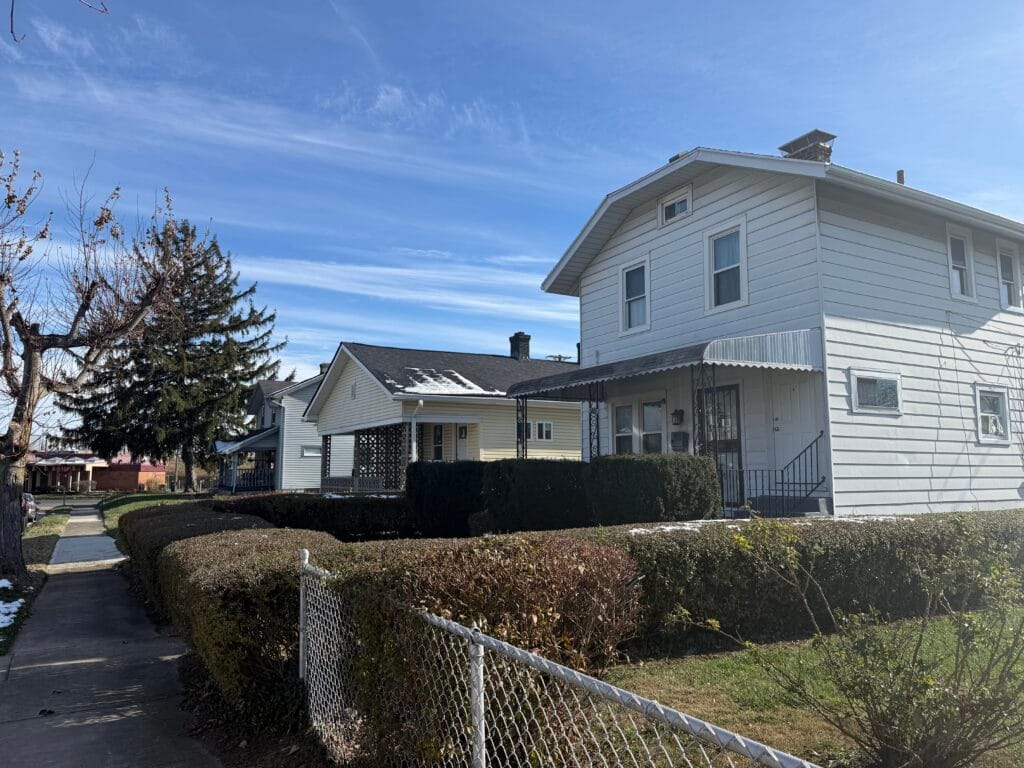
Southwest Edgemont (Near McCall and Rail Lines)
Closer to Dayton’s historic industrial corridors, this pocket includes:
• Smaller cottages
• Narrower lots
• Some investment-owned properties
• Opportunity for value-focused buyers
This is one of the most affordable parts of Greater Edgemont, ideal for buyers interested in hands-on improvements.
Southeast Edgemont (Near Germantown Street)
This area includes early 1900s homes with:
• Larger porches
• Deep backyards
• Mix of brick and wood exteriors
• Easy access to commercial corridors
This pocket balances convenience with residential stability.
Interior Layouts and Home Features
Many Edgemont homes have preserved interior features that appeal to buyers who appreciate early 20th-century craftsmanship. Common interior characteristics include:
• Tall ceilings
• Original hardwood floors
• Thick trim and baseboards
• Built-in cabinetry or shelving
• Wide staircases in Foursquares
• Fireplaces with vintage mantels
• Large living-room and dining-room spaces
• Attic areas with finishing potential
• Spacious front foyers
While some homes remain in original condition, many have undergone modernization over the years. Buyers can choose between updated homes and renovation-ready properties with authentic charm.
Neighborhood Atmosphere and Daily Living
Edgemont’s atmosphere reflects the energy of a historic community with deep roots. Long-term residents, multigenerational families, and new buyers coexist within a neighborhood defined by its cultural importance and authenticity. Daily life in Edgemont often includes:
• Neighbors conversing on porches
• Children playing on sidewalks
• Community members walking to local stores
• Weekend home projects
• Block-by-block social connections
• A strong sense of identity tied to the neighborhood’s history
Edgemont may not have the suburban calm of east-side neighborhoods, but it offers something different: heritage, character, architectural depth, and a community spirit that remains one of the strongest in Dayton.
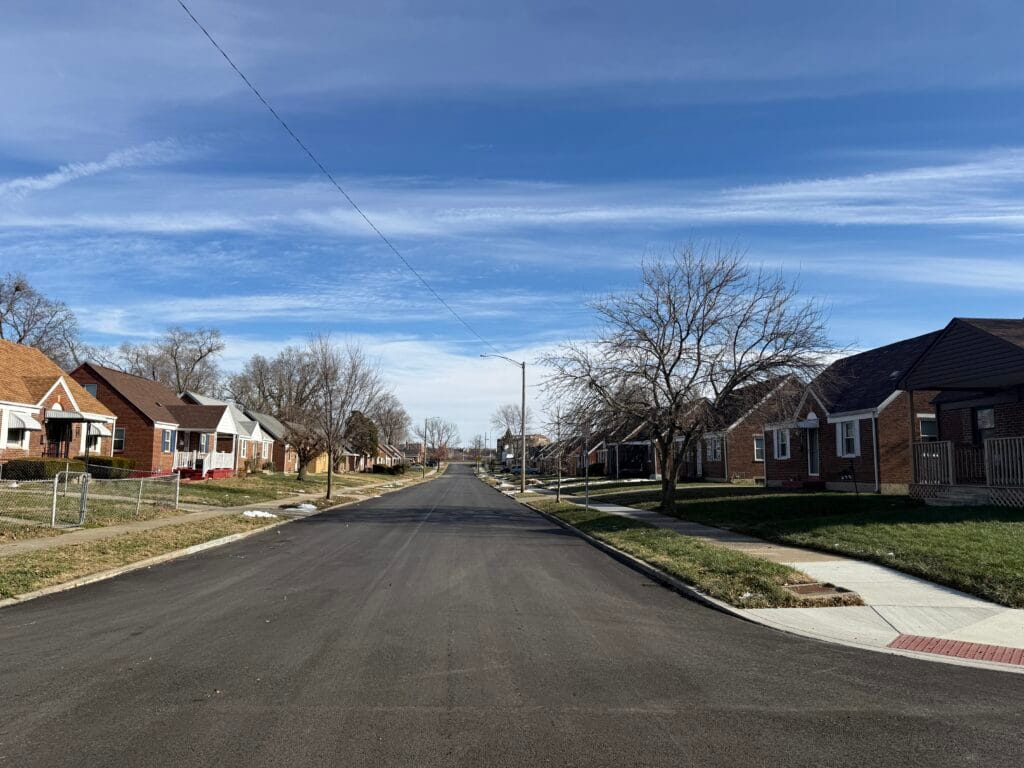
What You Can Buy in Edgemont at Different Price Points
Edgemont offers some of the most affordable homes in Dayton while delivering architectural character rarely found in similarly priced neighborhoods. Because the area includes several early 20th-century housing types—Foursquares, bungalows, cottages, and classic frame homes—buyers can choose between renovation opportunities, partially updated homes, or fully modernized properties at price points significantly lower than comparable housing on the east side or in the suburbs.
$160,000 and Up — Fully Renovated Historic Homes
While less common than in neighborhoods like Grafton Hill or Five Oaks, some Edgemont homes have undergone complete renovations. These homes typically include:
• New kitchens with modern cabinetry and countertops
• Updated bathrooms with tile and contemporary finishes
• Refinished original hardwood floors
• New HVAC systems
• Updated electrical and plumbing
• Replaced roofs, gutters, or siding
• Fresh exterior paint and landscaping
• Finished or partially finished basements
These homes are ideal for buyers seeking a move-in-ready residence while retaining the character of early 20th-century architecture.
$120,000–$160,000 — Move-In-Ready Homes with Partial Updates
Many Edgemont properties fall into this price range. These homes usually feature:
• Updated kitchens from prior renovation cycles
• Bathrooms modernized within the last 10–15 years
• Solid mechanical systems
• Original hardwood floors in good condition
• Fresh interior paint
• Clean, functional basements
• Well-preserved exterior designs
These homes appeal to buyers wanting functionality and charm without taking on significant improvement projects.
$90,000–$120,000 — Solid Homes with Vintage Interiors
This bracket represents a large portion of Edgemont’s residential inventory. Homes in this range typically include:
• Original kitchens often ready for modernization
• Bathrooms with older fixtures
• Hardwood floors beneath carpet
• Older but functional HVAC systems
• Classic wood trim and vintage architectural details
• Cosmetic updates needed, but strong underlying structure
Buyers in this tier often take on gradual renovations, building equity through thoughtful upgrades.
$60,000–$90,000 — Dated Homes Needing Moderate Upgrades
Homes in this range frequently require more substantial improvements, including:
• Kitchen and bath modernization
• Electrical updates
• Plumbing upgrades
• Roof or gutter replacement
• Repairing or refinishing hardwood floors
• Full interior repainting
• Exterior repairs or restoration
These properties appeal strongly to value-conscious buyers, investors, or homeowners ready to invest sweat equity into a structurally sound early 20th-century home.
Below $60,000 — Full Renovation or Investor Opportunities
While the supply varies, some Edgemont homes enter the market at lower price points due to long-term deferred maintenance. These homes typically require:
• Full kitchen and bathroom renovations
• Extensive mechanical updates
• Window replacements
• Roof repairs
• Flooring and drywall improvements
• Exterior stabilization or repainting
Buyers with renovation experience may find these properties highly compelling due to the long-term appreciation potential in Greater Edgemont.
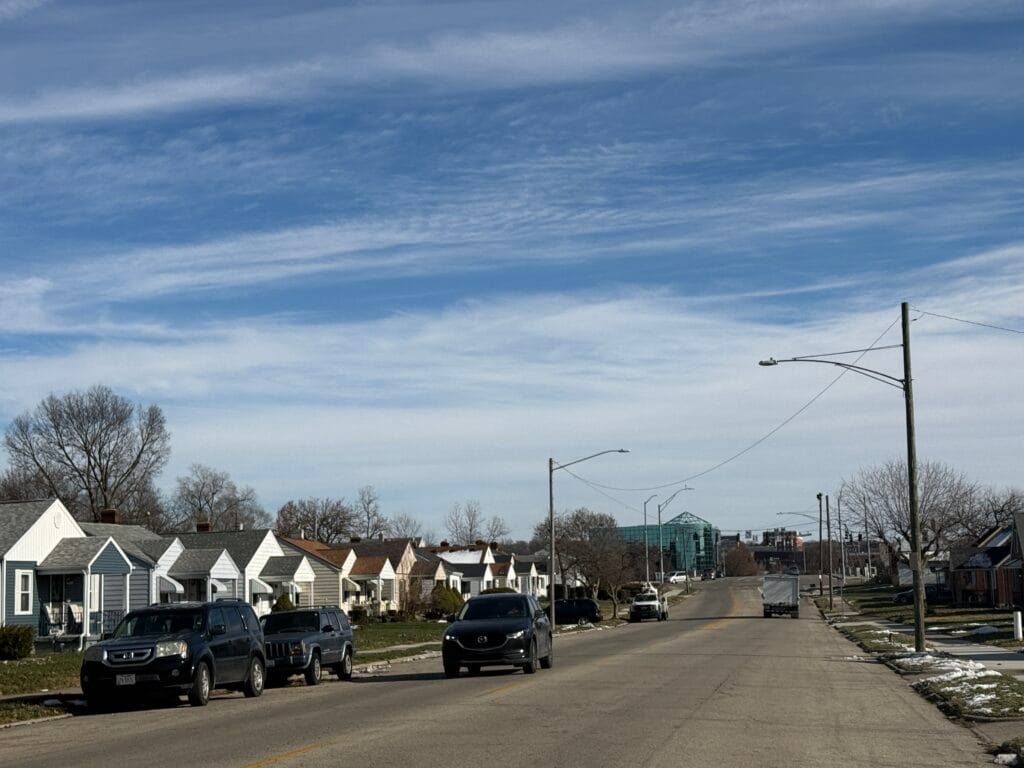
Who Edgemont Works Best For
Edgemont attracts a wide range of buyers, from first-time homeowners to investors to those searching for historic charm at an accessible price point. Its strong community identity and architectural character give it broad appeal, especially for buyers who value authenticity over suburban uniformity.
First-Time Buyers Seeking Affordability and Character
Edgemont is one of Dayton’s best neighborhoods for first-time buyers who want:
• Architectural charm
• Large rooms and sturdy construction
• Front porches and walkable blocks
• Affordable purchase prices
• Equity-building renovation potential
Unlike neighborhoods with newer housing stock, Edgemont offers early 20th-century craftsmanship at a fraction of the cost of more historic districts.
Buyers Interested in Historic Architecture
Many buyers choose Edgemont specifically for its vintage homes. Features such as:
• Wood trim
• Original hardwood floors
• Stained-glass accents in select homes
• Large dining rooms
• Built-in shelves or buffets
• Tall ceilings
• Spacious porches
…are rare in modern construction and add long-term value for homeowners who appreciate character.
Renters Seeking Space and Privacy
Renters transitioning from apartments or multi-family buildings often appreciate Edgemont’s:
• Deep backyards
• Large interior rooms
• Detached garages
• Quiet residential blocks
• More control over noise and space
The improvement in daily comfort makes Edgemont especially appealing to renters ready for long-term stability.
Buyers with an Interest in Renovation
Because many homes retain original elements, Edgemont offers strong opportunity for buyers who want to:
• Update kitchens and baths
• Improve mechanical systems
• Refinish hardwood floors
• Restore vintage features
• Add modern conveniences while preserving character
Edgemont is particularly well-suited to buyers who enjoy hands-on improvement or plan to hire contractors for strategic upgrades.
Residents Seeking Community Identity and Roots
Edgemont is known for its long-term residents and multigenerational families. Buyers who value:
• Strong community connections
• Neighborhood history
• Cultural pride
• Traditions and local institutions
…often feel especially at home here.
Lifestyle Fit and Day-to-Day Living
Living in Edgemont means embracing a neighborhood where architectural charm and community identity shape daily routines. The neighborhood’s early 20th-century design encourages porch culture, walkability, and interpersonal connection. Residents enjoy a lifestyle where:
• Porches serve as gathering spaces
• Children play on sidewalks and front lawns
• Neighbors interact regularly
• Evening walks feel grounded and familiar
• Many residents remain for decades
• Streets retain their original early-20th-century layout
While Edgemont does not offer the commercial convenience of east-side suburbs, it compensates with walkability, character, and a residential environment that feels deeply rooted in Dayton’s history.
Amenities, Shopping, and Local Resources
Edgemont offers convenient access to essential services and commercial corridors without sacrificing its residential identity. Residents benefit from proximity to:
• The Germantown Street corridor
• Edwin C. Moses Boulevard
• Lakeview Avenue
• The West Social Tap & Table area
• Grocery stores and convenience shops
• Medical centers, including Miami Valley Hospital
While Edgemont itself is primarily residential, nearby districts provide easy access to daily needs, retail options, and employment hubs.

Parks and Recreation Areas
Edgemont residents enjoy access to several west-side parks and recreational resources, including:
• Welcome Park
• Highland Park
• Parks along the Stillwater and Great Miami corridors (short drives)
• Walking loops throughout Edgemont’s grid
• Proximity to the RiverScape and downtown green spaces
The neighborhood’s walkable layout and manageable block sizes make it ideal for strolling, jogging, or exploring local streets.
Walkability and Neighborhood Connectivity
Edgemont is one of Dayton’s most walkable west-side neighborhoods. Its early-20th-century design supports:
• Walkable blocks
• Short distances between homes and small commercial nodes
• Sidewalk connections
• A pedestrian-friendly street grid
• Frequent opportunities for community interaction
This walkability is a core part of Edgemont’s identity and contributes to its strong neighborhood cohesion.
Commuting and Access to Employment Centers
Edgemont offers excellent access to major employment corridors due to its central west-side location. Residents benefit from quick routes to:
• Downtown Dayton
• Miami Valley Hospital
• Premier Health campuses
• West Social Tap & Table
• Wright-Dunbar
• Edwin C. Moses Boulevard business corridors
• I-75 access for regional commuting
This connectivity is a major advantage for first-time buyers and professionals across the region.
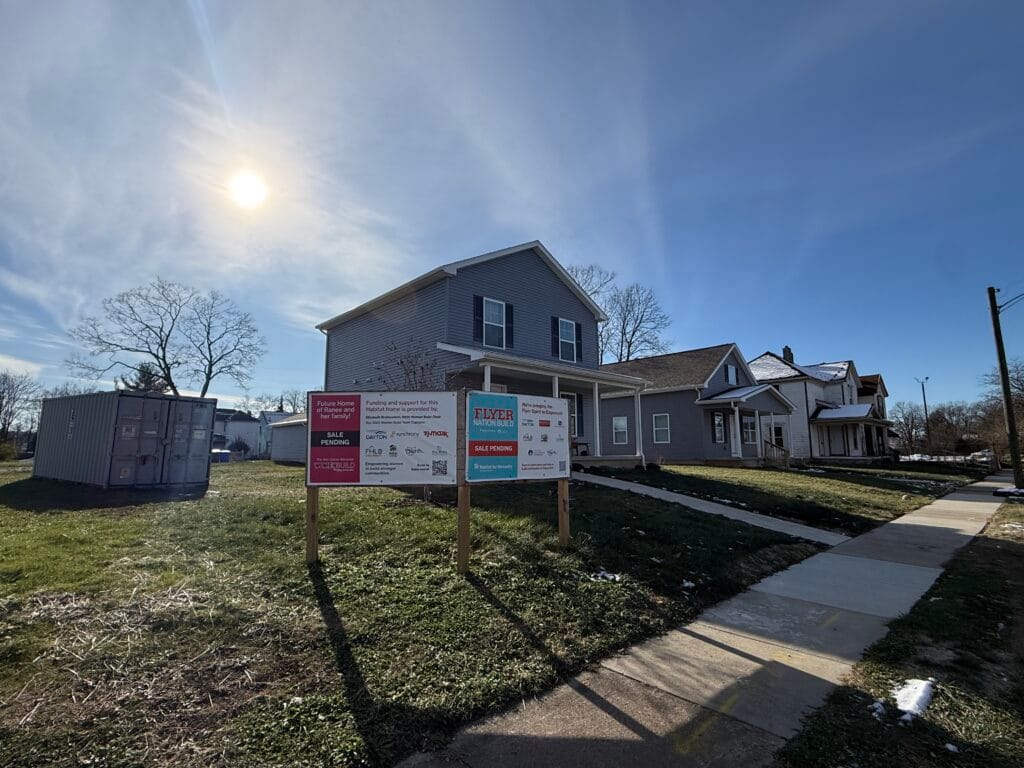
Strengths and Challenges for Buyers
Neighborhood Strengths
• Rich architectural character
• Strong cultural and historical identity
• Affordable home prices
• Walkable blocks with classic designs
• Long-term residents and community traditions
• Large room sizes compared to many Dayton neighborhoods
• Excellent renovation potential
• Central location with good access to employment
Buyer Challenges
• Some homes require significant modernization
• Varying levels of maintenance block-to-block
• Fewer fully renovated options compared to east-side neighborhoods
• Potential for older mechanical systems
• Occasional exterior repairs needed on vintage homes
These challenges are typical for early 20th-century neighborhoods and create opportunities for buyers seeking value and character.
Buying in Edgemont vs. Renting on Dayton’s West Side
Renters living in west-side apartments or multi-family buildings often find Edgemont to be an ideal pathway into homeownership. Compared to renting, buying in Edgemont offers:
• Larger living spaces
• Full yards and outdoor areas
• Front porches for relaxation
• Private basements for storage or workspace
• The ability to personalize and renovate
• Long-term equity growth
• Stability in a community with deep roots
For renters ready for more space, more control, and long-term investment, Edgemont presents an accessible and compelling transition.
Inspection Expectations and Common Findings in Edgemont Homes
Because Edgemont’s housing stock includes some of the oldest single-family homes in Dayton, inspections often uncover a mix of predictable age-related issues and long-lasting structural craftsmanship. These homes were built during periods when materials were heavy, dense, and intended to last for generations. As a result, Edgemont’s bones remain strong even when interior cosmetic updates are needed.
Mechanical systems are a common focus for inspectors. Buyers should be prepared for notes regarding:
• Furnaces older than the modern recommended lifespan
• AC units using older refrigerant types
• Water heaters past their prime but still functional
• Opportunities to improve duct sealing and airflow
• Recommendations for energy-efficiency upgrades
For many buyers, these mechanical updates are predictable investments when purchasing early 20th-century homes.
Electrical systems vary significantly. Some homes have seen complete electrical updates, while others retain partial or original wiring. Inspectors may note:
• Older breaker panels needing modernization
• Ungrounded outlets
• Knob-and-tube remnants in attic or basement spaces
• Romex lines added in later renovation cycles
• Recommendations for GFCI outlets in kitchens and bathrooms
Electrical upgrades are common and highly manageable in Edgemont, especially due to the accessible basements and attic spaces found in many homes.
Plumbing systems can include a mix of original materials and later updates. Inspection reports often reference:
• Cast-iron main stacks that show interior scaling
• Galvanized supply lines that reduce water pressure
• Copper and PEX patches from renovation attempts
• Recommendations for incremental modernization
• Aging fixtures and shutoff valves ready for replacement
While original plumbing materials have lasted decades, buyers planning long-term ownership often budget for phased improvements.
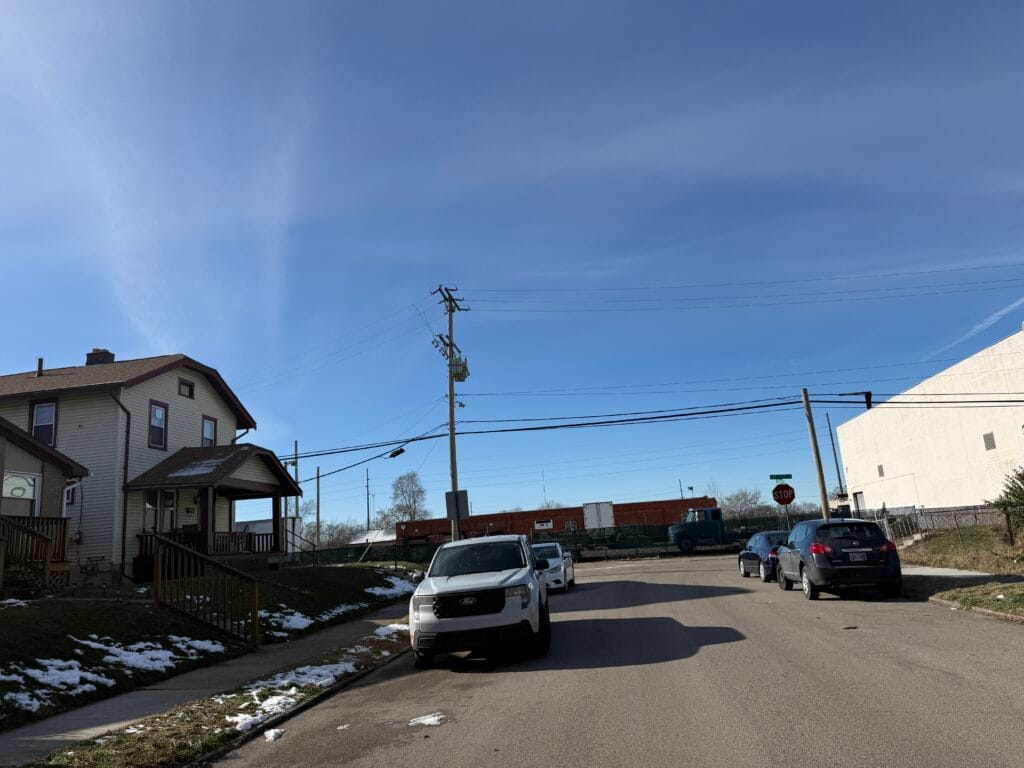
Foundation, Basement, and Porch Considerations
Edgemont homes were built during an era when basements were deep, foundations were thick, and porches were integral to daily life. These design elements contribute to the neighborhood’s charm but also introduce specific inspection patterns.
Basements and Foundations
Many Edgemont homes include unfinished basements with tall ceilings—a valuable asset for storage or potential finishing. Inspectors commonly note:
• Minor moisture during heavy rain
• Efflorescence along foundation walls
• Older sump pump systems needing upgrades
• Original foundation cracks that have remained stable for decades
• Typical wear for early 1900s concrete
These findings are normal for historic neighborhoods and often manageable with improved drainage, sealing, and dehumidification.
Porch Structures and Rooflines
Front porches are central to Edgemont’s identity. Because porches endure decades of weather exposure, inspectors sometimes observe:
• Wood posts needing reinforcement or replacement
• Porch rooflines requiring fresh flashing
• Railing repairs
• Settling in porch steps
• Opportunities for repainting or sealing
Renovating a porch can dramatically improve curb appeal and preserve the character of the home.
Exterior Siding and Brickwork
Exterior materials in Edgemont range from wood siding and stucco to classic brick. Inspection reports may highlight:
• Repainting needs for wood siding
• Brick tuck-pointing opportunities
• Older window frames requiring sealant
• Gutter or soffit wear
• Occasional siding replacement
These issues are typical for century-old homes and provide opportunities for preservation and modernization.
Terrain, Drainage, and Natural Environment
While Edgemont’s terrain is generally level compared to other west-side neighborhoods, certain micro-slopes and lot angles influence drainage patterns. Inspectors often mention:
• Downspout direction improvements
• Soil regrading recommendations
• Foundation sealing opportunities
• Tree roots near older utilities
• Seasonal water flow paths
These findings reflect normal homeownership considerations rather than structural problems, especially in neighborhoods with mature trees and century-old homes.
Long-Term Appreciation and Market Stability
Edgemont offers strong long-term value due to its architectural uniqueness, cultural significance, walkability, and proximity to employment centers. While some west-side neighborhoods fluctuate in value based on maintenance cycles or investor activity, Edgemont has consistently attracted buyers who appreciate its vintage homes and deep neighborhood identity.
Several factors support the neighborhood’s appreciation potential:
• Early 20th-century craftsmanship — Homes built during this era maintain value due to their durable materials and irreplaceable character.
• Walkable blocks — Younger buyers increasingly prioritize walkability, making Edgemont competitive with urban markets.
• Proximity to employment centers — The neighborhood borders major business and healthcare corridors.
• Renovation opportunity — Thoughtful updates significantly increase resale value.
• Cultural identity — Neighborhoods with heritage tend to retain long-term buyer interest.
• Location flexibility — Close to downtown, Wright-Dunbar, Edgemont Solar Garden, and West Social Tap & Table.
Homes with preserved woodwork, updated mechanicals, and enhanced curb appeal often see the strongest long-term performance.

Ideal Pathways for Renters Becoming Homeowners in Edgemont
Renters on Dayton’s west side often find Edgemont to be one of the most rewarding neighborhoods for entering homeownership. The combination of affordability, space, character, and community roots makes Edgemont a standout choice for renters ready to invest in a long-term residence.
The typical progression looks like this:
1. Comparing Monthly Costs
Buyers frequently discover that owning an Edgemont home costs as little—or less—than renting an apartment or duplex nearby.
2. Touring Home Styles
Renters benefit from seeing the variety of Edgemont homes, from bungalows to Foursquares to frame cottages. Many fall in love with the character immediately.
3. Inspection Literacy
Understanding the typical patterns of early 20th-century homes helps renters feel prepared for long-term ownership.
4. Offer Strategy
Because well-maintained Edgemont homes sell quickly, buyers benefit from competitive yet sensible offers.
5. Closing and Transition
With consistent home construction and well-documented inspection patterns, the path from accepted offer to closing is often smooth.
Renters who want authenticity, space, and affordability often find Edgemont to be one of the best value propositions in the entire Dayton region.
How Dayton Proper Helps Buyers Navigate Edgemont
Buying in Edgemont requires an understanding of early 1900s construction, neighborhood character, and long-term renovation planning. Dayton Proper guides buyers through every step by providing context, clarity, and market insights tailored to Edgemont’s unique housing stock.
When showing homes, Dayton Proper helps buyers evaluate:
• Condition of original hardwood floors
• Integrity of trim, staircases, and built-ins
• Window performance and upgrade options
• Roof and gutter age
• Basement moisture patterns
• Furnace and AC lifecycle
• Porch condition and repair needs
• Opportunity for layout improvements or additions
Buyers receive clear explanations of what is typical, what is manageable, and what should influence offer decisions. Renovation-minded buyers also receive guidance on costs, value-add projects, and long-term resale potential.
Offer strategies consider comparable sales, condition factors, and neighborhood demand patterns, ensuring competitive positioning without unnecessary overpayment.
Inspection coordination and interpretation help buyers make informed decisions about repairs, immediate needs, and long-term plans for modernization.
Closing support ensures a smooth transition into one of Dayton’s most historically significant neighborhoods.
Daily Living and Community Atmosphere
Edgemont’s atmosphere is warm, connected, and rooted in community history. Unlike some newer neighborhoods where residents may not know their neighbors, Edgemont’s longstanding tradition of porch culture and walkable blocks encourages interpersonal connection.
Daily life often includes:
• Conversations between neighbors on front porches
• Families gathering outside on summer evenings
• Children playing along sidewalks
• Community events and church functions
• Gardeners tending to front-yard flowerbeds
• Longtime residents sharing stories about the neighborhood’s past
The sense of place in Edgemont is undeniable—buyers who value authenticity and heritage will feel at home quickly.
Comparing Edgemont to Other Historic Dayton Neighborhoods
Buyers considering Edgemont often explore other early 20th-century neighborhoods before making a decision. These comparisons help clarify what makes Edgemont distinctive.
• Wright-Dunbar: Rich African-American history and beautifully restored blocks; more commercial development nearby.
• Five Oaks: Larger Victorian and early 20th-century homes; more stylistic variation.
• Grafton Hill: Architecturally grand homes near cultural institutions; higher price points.
• Santa Clara: Early 20th-century charm with strong community feel; similar walkability.
• Wolf Creek: Historic homes along river corridors; scenic character.
• Dayton View Triangle: Architecturally ornate homes with exceptional craftsmanship; limited inventory.
• Residence Park: Craftsman-style homes with suburban feel; more mid-century influences.
While each neighborhood has strengths, Edgemont stands out for its combination of affordability, character, and community identity.
Expanded Internal Links Across Dayton Neighborhoods
Buyers exploring Edgemont often compare multiple neighborhoods before deciding where to live. These guides provide additional context:
Grafton Hill
Five Oaks
Wolf Creek
Residence Park
Santa Clara
Wright-Dunbar
Dayton View Triangle
All Dayton Neighborhood Guides
Next Steps for Buyers Considering Edgemont
Edgemont offers a unique opportunity to own a piece of Dayton’s history. For buyers seeking authenticity, architectural charm, walkability, community identity, and affordability, the neighborhood delivers exceptional long-term value. Its early 20th-century homes, deep front porches, and connected residential blocks create a lifestyle rooted in tradition and character.
Those ready to take the next step can begin by exploring available listings, touring Edgemont’s diverse home styles, and evaluating which pockets align best with their needs. With clarity, guidance, and realistic expectations, buyers can secure a home in Edgemont that offers charm, durability, and long-term appreciation.
Start your Edgemont home search today.
Visit: https://buy.daytonproper.com
Ready to Buy a Home? Contact us below: