
Downtown Dayton has transformed dramatically over the past two decades, evolving from a business-only district into one of the region’s most vibrant residential centers. Today, downtown blends historic industrial architecture, modern loft conversions, riverfront living, new construction townhomes, and a growing mix of restaurants, entertainment, arts, and sports venues. For renters ready to become homeowners, downtown offers a rare blend of urban energy, community connection, and walkable convenience—without the cost barriers of larger cities.
The downtown residential footprint spans several interconnected districts: Water Street, Webster Station, the Cannery area, the Fire Blocks District, the St. Clair corridor, and the pockets surrounding Day Air Ballpark and RiverScape MetroPark. Each sub-area contributes its own style and personality, giving buyers options ranging from luxury riverfront condos to renovated warehouse lofts to modern three-story townhomes. Understanding downtown means exploring these districts, their history, their atmospheres, and the types of properties available within them.
Selling in Downtown Dayton? Free value report + cash offer options.
A Detailed History of Downtown Dayton’s Residential Revival
Downtown Dayton was originally built as a dense commercial and industrial center, with factories, mills, warehouses, rail traffic, and retail dominating the city’s core through the early and mid-20th century. By the 1970s and 1980s, manufacturing declines and suburban expansion led to population shifts that left many downtown buildings underutilized. This period marked the beginning of a long transformation that ultimately set the stage for the modern residential boom.
The turning point came when preservationists, developers, and planners recognized the potential of the area’s historic buildings—especially the warehouses, mills, and factories with thick brick walls, massive timber beams, and soaring ceilings. These structures, once built for industrial strength, became ideal candidates for adaptive reuse. Early conversions such as the Dayton Arcade and St. Clair Lofts revealed the market demand for urban loft living in Dayton.
The arrival of RiverScape MetroPark in the early 2000s accelerated change. The riverfront become a gathering place for concerts, festivals, kayaking, ice skating, and outdoor recreation. Suddenly, living downtown was no longer just an idea—it was an emerging lifestyle.
The development of the Water Street District and the Dayton Dragons’ Day Air Ballpark sparked further investment. New restaurants, breweries, and entertainment venues followed, creating a downtown where residential life could thrive. By the 2010s, the Fire Blocks District and Webster Station began filling with renovated apartments, lofts, and mixed-use buildings. Today, downtown Dayton continues to expand as a residential destination defined by walkability, culture, and convenience.
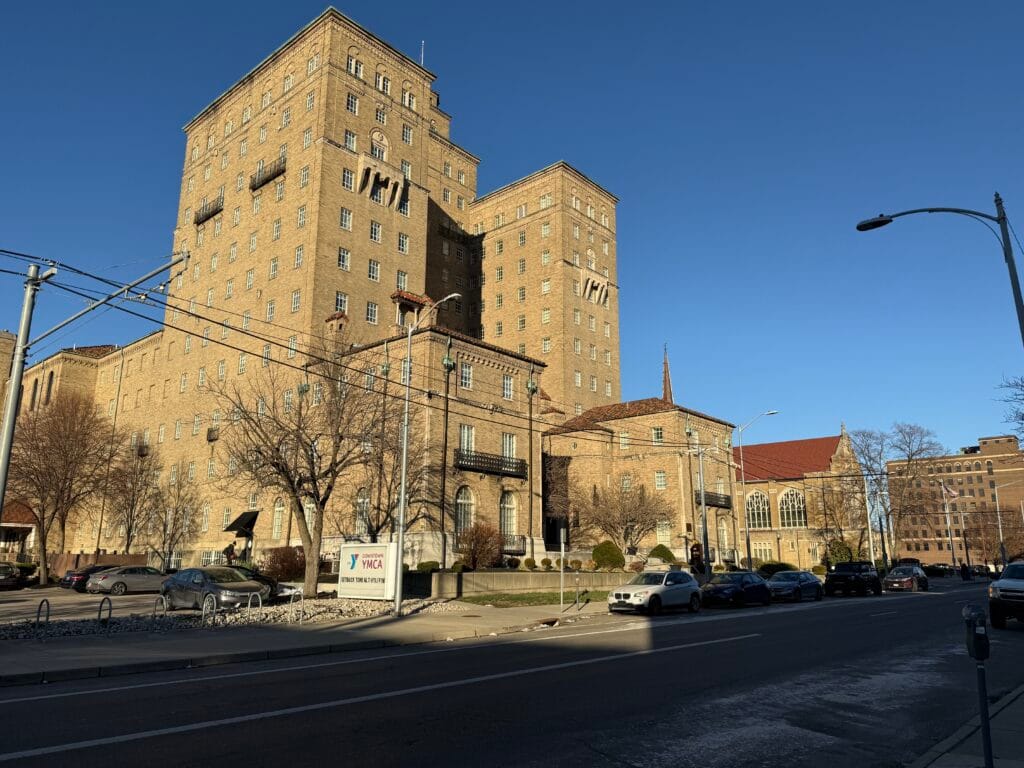
The Structure of Downtown Dayton: Districts and Micro-Neighborhoods
Downtown Dayton is not a single unified environment. It is a collection of micro-neighborhoods, each shaped by its location, architecture, amenities, and atmosphere. Buyers exploring the area benefit from understanding the personality of each district.
Water Street District
Water Street is one of downtown’s premier residential corridors, located along the river near RiverScape MetroPark. It features:
• Modern apartments and newly constructed condos
• Three-story townhomes facing the river
• Restaurants, breweries, and bars
• Walkability to sports, riverfront trails, and event centers
• A polished, urban-suburban blend
This area appeals to buyers who want new construction, clean lines, and proximity to outdoor amenities.
Webster Station
Webster Station mixes historic industrial buildings with newer residential development. Key features include:
• Restored warehouses converted into modern lofts
• Exposed brick, timber beams, and high ceilings
• Cafés, breweries, and galleries
• Proximity to the Oregon District and downtown core
• Easy access to transportation corridors
Buyers drawn to character, history, and artistic energy often gravitate toward this area.
Cannery District
Once dominated by industrial storage and food distribution warehouses, the Cannery area has become a growing residential zone. It includes:
• Adaptive reuse apartments and condos
• Newer restaurants and coffee shops
• Quiet residential blocks just east of the CBD
• A blend of historic charm and modern convenience
This district appeals to buyers who want a quieter environment within walking distance of downtown amenities.
Fire Blocks District
The Fire Blocks District has undergone dramatic redevelopment in recent years. Its identity is shaped by:
• Early-20th-century commercial architecture
• Mixed-use restoration projects
• Stylish lofts and apartments
• Trend-forward restaurants and bars
• Strong nightlife and energy
Buyers who want an urban, creative, high-energy atmosphere often prioritize this area.
St. Clair Lofts Corridor
Centered around the iconic St. Clair Lofts building, this corridor blends:
• Large warehouse-style lofts
• Open-concept floorplans
• Downtown walkability
• A strong residential community feel
• Renovated industrial architecture
This area attracts buyers who want industrial-style living with a solid sense of community.
Ballpark and Riverfront Townhome Zones
Surrounding Day Air Ballpark and the riverfront, this pocket includes:
• Newly built townhomes
• River-view balconies
• Quiet evening streets
• Proximity to walking and cycling paths
• Short walks to breweries, games, and parks
Buyers who want new construction and modern amenities often look here first.
Oregon East Fringe
Bordering the Oregon Historic District—but not part of it—Oregon East offers:
• Smaller loft buildings
• Converted commercial structures
• Walkability to Oregon nightlife
• More affordable price points than the historic district itself
This area appeals to buyers who want to be near the action without paying Oregon Historic premiums.
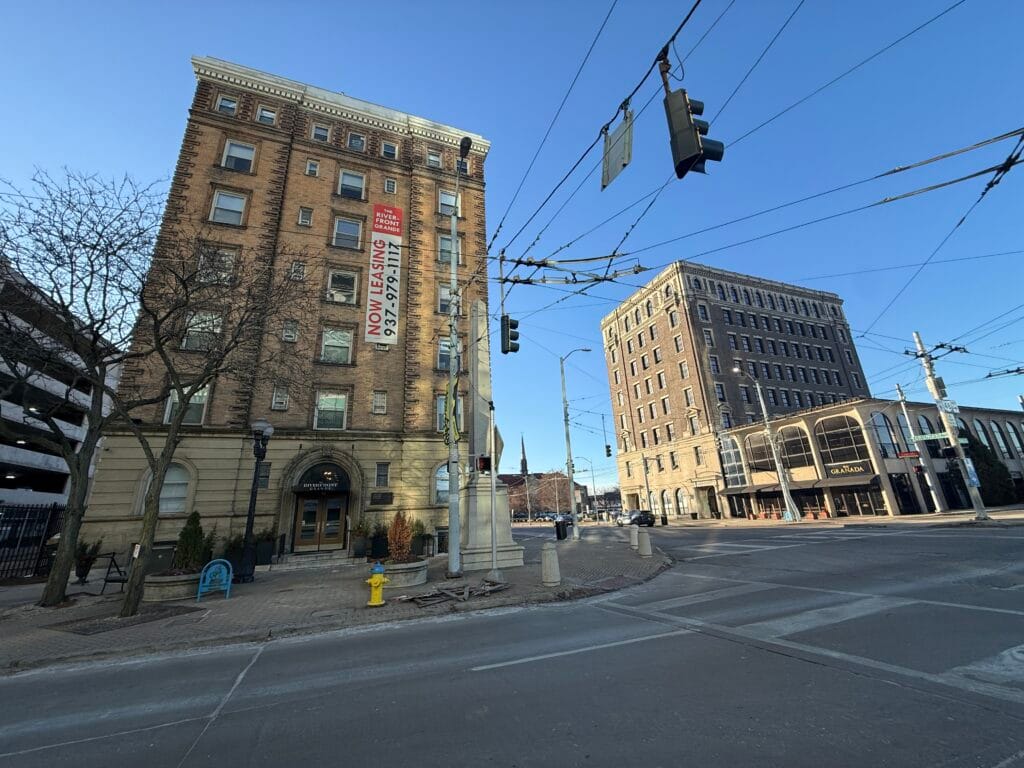
Architectural Styles and Housing Options Downtown
Downtown Dayton’s housing variety is unmatched by any other neighborhood in the city. Buyers can choose from multiple distinct styles and environments depending on their preferences.
Warehouse Lofts and Industrial Conversions
Many of downtown’s most popular residential units are located in former warehouses or industrial buildings. These homes typically include:
• Exposed brick walls
• Timber beams or steel columns
• High ceilings
• Tall windows
• Open floorplans
• Concrete or refinished hardwood floors
• Industrial-modern aesthetics
These properties appeal to buyers who love history, character, and unique design.
Modern Riverfront Condos
Located primarily in the Water Street District and near RiverScape, riverfront condos offer:
• Contemporary finishes
• Balconies overlooking the river
• Elevator access
• Secure entry
• Low-maintenance living
• Walking distance to restaurants and events
Buyers who want convenience and modern amenities gravitate toward these developments.
New Construction Townhomes
Downtown offers some of the region’s most attractive newly built townhomes. These properties include:
• Multi-level floorplans
• Attached garages
• Private balconies or rooftop decks
• Energy-efficient construction
• Contemporary kitchens and baths
• Low-maintenance exteriors
These homes attract buyers who want the perks of suburban new construction combined with downtown walkability.
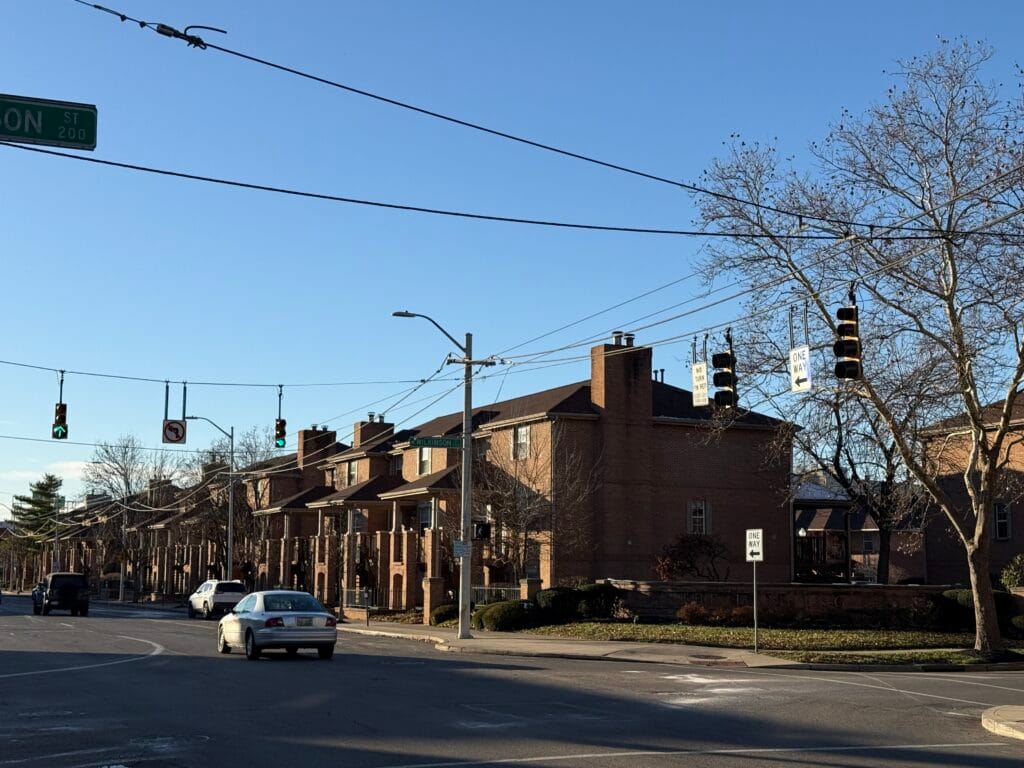
Renovated Loft Apartments Converted to Condos
Some downtown residential buildings began as rentals but transitioned into owner-occupied condos. These units often feature:
• Classic loft aesthetics
• Open layouts
• Updated kitchens and baths
• Secure building access
• Lower HOA fees compared to newer developments
These homes appeal to buyers seeking character with affordability.
Historic Apartment Buildings with Condo Conversions
A handful of downtown buildings date back to the early 20th century. Their residential units typically include:
• Traditional layouts
• Large windows
• Interior architectural charm
• Smaller building communities
• Walkability to arts and entertainment venues
Buyers looking for a balance of old-world charm and urban convenience often enjoy these buildings.
Daily Living and Neighborhood Feel Downtown
Living in downtown Dayton offers a lifestyle unmatched anywhere else in the region. It’s urban, walkable, and infused with arts, entertainment, sports, and community energy. Yet, despite its density and activity, downtown Dayton remains accessible, friendly, and affordable compared to larger markets.
Daily life downtown often includes:
• Morning walks along the riverfront
• Grabbing coffee at independent cafés
• Meeting friends at breweries or patio restaurants
• Attending Dayton Dragons games
• Walking to concerts, performances, and festivals
• Spending weekends exploring local shops and galleries
• Enjoying outdoor recreation at RiverScape
• Cycling through Miami Valley’s extensive trail network
Evenings downtown take on a relaxed but lively feel, with people filling patios, strolling the riverfront, or attending events at the Schuster Center or Levitt Pavilion. For buyers coming from quieter residential neighborhoods, downtown provides a refreshing blend of social life and convenience.
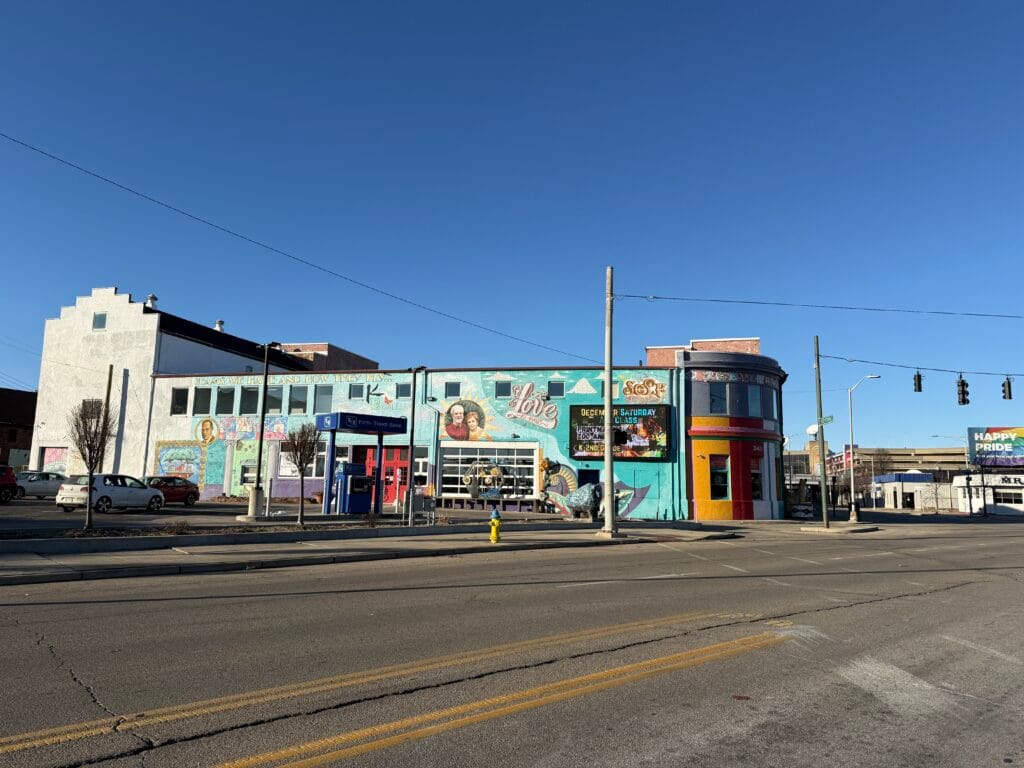
Walkability, Access, and Amenities
Downtown Dayton is by far the city’s most walkable neighborhood. Its compact grid, abundance of amenities, and pedestrian-friendly infrastructure make it ideal for residents who prefer car-light or car-free living. Within a short walk, residents can access:
• Restaurants, bars, cafés, and breweries
• Grocery stores and markets
• Fitness studios and gyms
• The riverfront trail system
• Day Air Ballpark
• Levitt Pavilion
• Schuster Center for the Performing Arts
• Local boutiques and galleries
• Offices and coworking spaces
• MetroPark attractions and festivals
Downtown’s amenities make daily living feel active, connected, and convenient—qualities increasingly important to modern buyers.
What You Can Buy in Downtown Dayton at Different Price Points
The housing prices in downtown Dayton vary widely because the area includes loft conversions, new construction townhomes, riverfront condos, historic buildings, and mixed-use redevelopment properties. Buyers can find luxury spaces, affordable entry-level units, and everything in between depending on preferred district, building amenities, and interior condition.
$550,000 and Up — Modern Riverfront Condos and High-End Townhomes
At the top of the downtown market are modern units located in the Water Street District and along the riverfront. These properties typically offer:
• Expansive balconies with river or skyline views
• High-end kitchens with quartz or stone countertops
• Open floorplans with tall ceilings
• Premium flooring such as engineered hardwood
• Secure building access and elevators
• Attached garages for townhomes
• Large primary suites with walk-in closets
• Energy-efficient construction
Buyers in this tier are often professionals relocating from larger cities, empty-nesters seeking low-maintenance luxury, or residents who prioritize convenience, walkability, and modern finishes.
$360,000–$550,000 — Renovated Lofts, Modernized Units, and Newer Builds
This price tier includes a mix of updated lofts in historic warehouses and newly constructed mid-rise units. Homes in this range usually include:
• Designer kitchens with updated appliances
• Fully renovated baths
• Exposed brick or timber beams
• Updated HVAC and plumbing systems
• Large windows allowing natural light
• Open-concept layouts
• Secure entrances and modern building amenities
These properties appeal to buyers who want character and style without taking on major renovation projects. Proximity to entertainment districts and the riverfront often elevates the desirability of these units.
$190,000–$360,000 — Traditional Lofts and Well-Maintained Condos
Many of downtown’s original loft conversions fall into this price range. These units typically offer:
• Functional layouts with historic charm
• Updated kitchens and baths, though not always luxury finishes
• Exposed brick walls or original industrial elements
• Concrete or hardwood flooring
• Tall ceilings with open-plan living
• Walkability to restaurants, galleries, and cafés
Properties in this tier provide great value for buyers who want downtown living with moderate updates in place.
$135,000–$190,000 — Entry-Level Condos and Classic Loft Units
This range includes many one-bedroom or smaller two-bedroom condos. Units commonly feature:
• Updated flooring and paint
• Older but functional kitchens
• Stable HOA-managed buildings
• Modest amenities compared to newer developments
• Easy access to nightlife and dining
These units appeal strongly to first-time buyers, young professionals, and renters ready to transition to homeownership while staying within budget.
Below $135,000 — Rare but Possible Original-Condition Lofts or Smaller Units
Lower-priced properties downtown are increasingly rare due to revitalization efforts but still appear occasionally, especially when units are in:
• Older buildings needing cosmetic updates
• Buildings undergoing HOA reorganizations
• Smaller or interior-facing units with fewer windows
These units provide an affordable gateway into downtown living for buyers willing to update kitchens, baths, or flooring over time.
Who Downtown Dayton Works Best For
Because downtown Dayton offers an active, walkable lifestyle, the neighborhood attracts buyers who value convenience, urban living, entertainment, and proximity to cultural amenities. Understanding who thrives downtown can help buyers decide if this environment fits their needs.
Young Professionals and Urban-Lifestyle Seekers
Downtown Dayton appeals strongly to younger buyers who enjoy walkability, nightlife, and proximity to workplaces. These buyers often prioritize:
• Short commutes
• Access to local breweries and restaurants
• Fitness studios and bike trails
• Community events and concerts
• Social, active environments
The variety of loft spaces and modern condos suits buyers who want modern living without the commitment of larger suburban homes.
Empty-Nesters and Downsizers
Many longtime Dayton-area residents choose to downsize into downtown properties, seeking:
• Maintenance-free living
• Walkable entertainment
• Proximity to cultural institutions
• Safety, security, and community activity
• The convenience of smaller interior spaces
Riverfront condos and townhomes are especially popular among this group.
Professionals Working in Healthcare, Tech, Engineering, or Public Service
With major employers such as Premier Health, Kettering Health, Wright-Patterson Air Force Base, Emerson, and Montgomery County government offices nearby, downtown provides easy access to many professional hubs. Buyers who want short commutes often choose downtown to minimize daily travel.
Buyers Who Value Entertainment and Culture
Downtown Dayton is the epicenter of the city’s event schedule. Residents enjoy:
• Dragons baseball games
• RiverScape festivals
• First Friday events
• Shows at the Schuster
• Levitt Pavilion concerts
• Oregon District nightlife
Buyers who want a culturally vibrant environment find downtown especially compelling.
Car-Lite and Car-Free Lifestyle Seekers
Because downtown Dayton offers:
• Walkability
• Bike infrastructure
• Public transit access
• On-site parking garages
…it’s ideal for residents who prefer minimizing vehicle use. Many buyers choose downtown specifically because they can live comfortably with one car—or none at all.
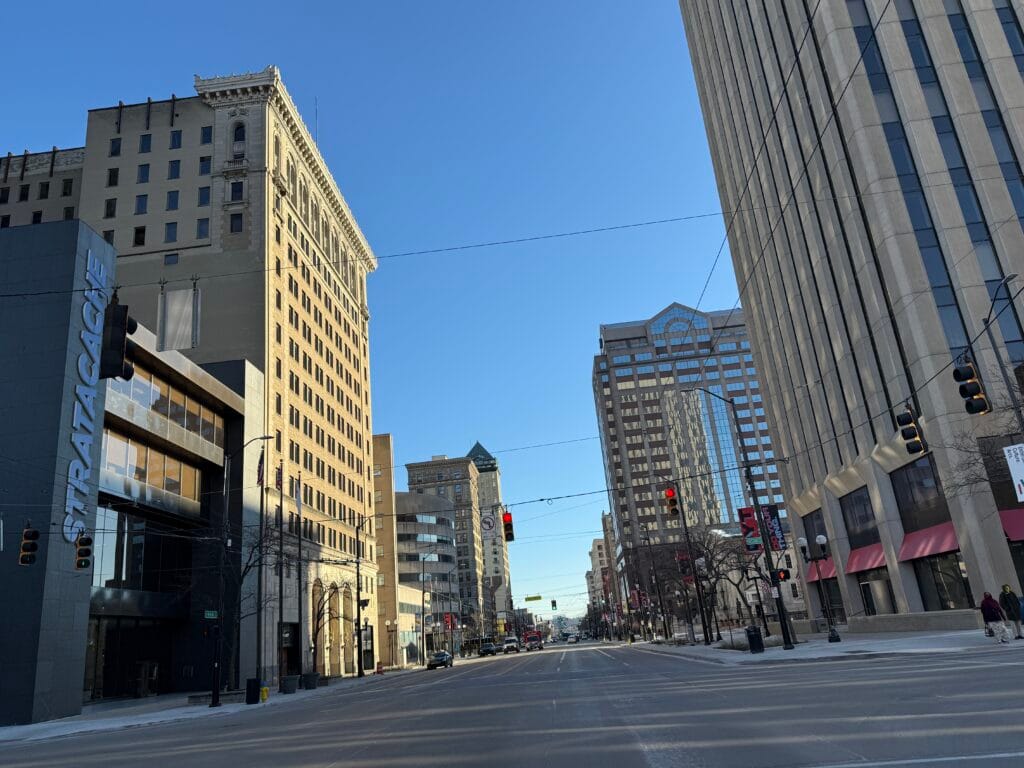
Lifestyle Fit and Daily Living in Downtown
The downtown lifestyle blends convenience, energy, culture, and community involvement. Residents experience a mix of quiet mornings, busy days, and lively evenings depending on the district and proximity to event centers.
Typical lifestyle elements include:
• Morning coffee on a balcony overlooking the river
• Walking to work or biking along the river trail
• Meeting friends after work for dinner
• Attending concerts at Levitt Pavilion
• Participating in local events like PorchFest, Pride Fest, or the Celtic Festival
• Visiting galleries and street markets on First Fridays
• Spending weekends at RiverScape or exploring small shops
Because downtown Dayton is compact, residents often enjoy the freedom of leaving their car parked for days at a time. This independence from driving is one of the neighborhood’s strongest lifestyle benefits.
Nightlife, Entertainment, and Cultural Amenities
Downtown Dayton is the regional hub for entertainment and cultural programming. Residents have immediate access to some of the city’s most notable venues and attractions, including:
Day Air Ballpark – Home of the Dayton Dragons, known for consistently sold-out games and family-friendly events.
Levitt Pavilion – Offers free outdoor concerts throughout the summer.
Schuster Center – Hosting Broadway shows, symphony performances, and national touring acts.
Victoria Theatre – A historic venue featuring regional productions and special programming.
RiverScape MetroPark – Concerts, festivals, ice skating, kayaking, and seasonal events.
The Oregon District – A walkable nightlife corridor with restaurants, bars, live music, and local boutiques.
Dayton Art Institute – Just a short walk or bike ride away via the riverfront pathway.
For buyers who want to feel connected to the cultural pulse of the city, downtown offers unmatched access.

Walkability, Bike Access, and Deeper Mobility Advantages
Downtown Dayton is the most walkable neighborhood in the region, with safe crossings, sidewalks, bike lanes, and trails that connect the entire Miami Valley.
Walkability highlights include:
• Easy access to restaurants, gyms, markets, and offices
• Water Street and Webster Station pedestrian-friendly layouts
• Oregon District access without driving
• Riverfront trail system connecting to 300+ miles of paved paths
• Quick walks to concerts, games, and community events
For cyclists, downtown is a gateway to the Great Miami River Trail, Stillwater River Trail, and Mad River Trail. These paths allow residents to commute to work, bike recreationally, or reach regional parks without using a car.
Commuting and Connectivity
Downtown Dayton offers unmatched connectivity to major employment centers. Residents benefit from:
• A 1–10 minute walk to many downtown offices
• A 5–10 minute drive to major hospitals and medical centers
• A 15–20 minute drive to Wright-Patterson AFB
• Immediate access to US-35, I-75, and Route 4
• Public transit access through key RTA corridors
For professionals whose schedules demand reliability, downtown provides some of the easiest and most predictable commuting patterns in the region.
Strengths and Challenges for Downtown Buyers
Neighborhood Strengths
• Exceptional walkability
• Abundant entertainment and cultural amenities
• Increasing residential demand
• Unique architecture and adaptive reuse
• Riverfront recreation
• Minimal-maintenance lifestyle
• Strong sense of community identity
• Expanding mix of restaurants and services
Buyer Challenges
• Parking limitations in certain buildings
• HOA or condo fees in loft and condo buildings
• Limited yard space for buyers who want green areas
• Weekend noise levels near nightlife districts
• Higher insurance premiums for certain commercial-residential conversions
• Competition for the most desirable units
Most challenges stem from the realities of urban living and are manageable for buyers who value accessibility and convenience.
Buying Downtown vs. Continuing to Rent Downtown
Renters already living downtown often discover that buying a condo or loft is more attainable than expected. Because many downtown units are modest in size and modern in construction, mortgage payments can match or even beat rental prices—especially when factoring in equity growth and long-term stability.
Buying downtown provides:
• Predictable monthly payments
• Freedom to personalize the unit
• Equity building instead of rising rent
• Access to the same walkable lifestyle with ownership benefits
• Pride of living in a home that reflects Dayton’s resurgence
For renters seeking permanence and financial predictability, buying downtown is often a natural next step.
Inspection Expectations for Condos, Lofts, and Downtown Buildings
Inspection reports for downtown properties differ significantly from inspections in traditional single-family neighborhoods. Instead of roof conditions, foundation issues, and large-scale mechanical systems, downtown inspections focus on interior systems, building maintenance, shared structural components, and the functionality of individual units. Understanding these differences helps buyers approach downtown homeownership with confidence.
Interior mechanical systems are often simpler in downtown units. Inspectors typically evaluate:
• Heating and cooling units located within the condo
• Electrical panels specific to the unit
• Plumbing fixtures and supply/drain lines inside the unit
• Ventilation systems and air circulation
• Appliance installation and condition
Because most lofts and condos rely on building-wide structural systems, the unit-specific inspection tends to focus on functionality, safety, and maintenance rather than expensive structural investments.
Electrical systems in loft-style units vary based on the age of the building and the extent of the renovation. Common findings include:
• Panels upgraded during building conversion
• Periodic need for outlet grounding
• Occasional mismatched switches or fixtures from renovation phases
• Minor wiring adjustments needed for updated lighting
These issues are typically minor compared to the electrical concerns in older single-family homes.
Plumbing considerations in lofts and condos include:
• Older copper lines replaced during conversion
• PVC or PEX updates in bathrooms and kitchens
• Occasional slow drains due to shared building systems
• Shared drain stacks requiring HOA-managed maintenance
Buyers benefit from reviewing building-wide maintenance records for plumbing stacks, especially in older industrial conversions with long vertical pipe runs.
HVAC systems in condo units tend to be compact and easily accessible. Inspectors evaluate:
• Furnace age and condition
• Heat pump or AC performance
• Filter access and airflow
• Potential for efficiency upgrades within the unit
These systems are often easier to maintain than the large, whole-home systems found in suburban properties.
Building-Level Assessments: What Buyers Should Know
Purchasing downtown means sharing responsibility for major building systems with other residents. Buyers should understand how these systems are maintained, funded, and monitored. Reviewing HOA documentation is an essential part of the due diligence process.
Important building-level considerations include:
• Roof condition and maintenance history
• Elevator systems and inspection schedules
• HVAC systems serving common areas
• Fire suppression systems
• Security and entry systems
• Structural maintenance of historic buildings
• Building reserves and long-term capital plans
Well-managed HOAs and condo associations plan for these expenses in advance, reducing unexpected assessments.
Understanding HOA Fees and Their Impact
HOA fees are an integral part of downtown living and cover expenses such as common-area utilities, building insurance, landscaping, maintenance, and long-term capital improvements. While some buyers hesitate at monthly fees, it’s important to evaluate what those fees include.
Typical HOA-covered items downtown include:
• Water and trash service
• Building insurance
• Snow removal
• Lawn or exterior maintenance (where applicable)
• Exterior and roof repairs
• Elevator servicing
• Lighting and utilities for shared spaces
• Contribution to reserve funds
• Parking lot or garage upkeep
• Security or key-fob systems
These fees replace many of the expenses homeowners typically pay individually in suburban areas, making HOA-managed living a predictable and stable budget item.
Buyers should also examine:
• Reserve fund balances
• Planned future assessments
• Historical special assessments
• Building financial statements
• HOA rules governing rentals, renovations, and pets
Well-funded reserves indicate healthy long-term management, reducing surprises for owners.
Noise Levels, Nightlife Adjacency, and Urban Living Realities
Living downtown offers excitement, but also a few realities that buyers should understand before committing. Noise levels vary by district and by proximity to restaurants, bars, train lines, or event centers.
Buyers in the Fire Blocks District or Oregon East fringe may notice:
• Weekend noise from nightlife
• Occasional music or street activity
• Later evening pedestrian traffic
Units near Day Air Ballpark may experience:
• Game-night energy
• Fireworks during baseball season
• Crowds and traffic during events
Riverfront units near Water Street tend to be quieter but may have:
• Occasional festival noise
• Sounds from riverfront events
• Music from seasonal programming at RiverScape
Buyers looking for the quietest environment downtown often prioritize:
• Upper floors away from street level
• Interior-facing units
• Buildings farther from nightlife corridors
• Concrete-constructed buildings with stronger sound insulation
Parking and Vehicle Considerations
Parking varies significantly across downtown residential buildings. Some properties offer attached garages, others include deeded parking spaces, and some rely on nearby garages or surface lots. Buyers should evaluate:
• Whether parking is included in the purchase price
• HOA rules governing assigned or unassigned spaces
• Availability of guest parking
• Distance from the garage to the building entrance
• Security features of underground or gated parking
Residents who choose downtown for walkability often reduce their vehicle use, but secure parking remains an important consideration for convenience and long-term value.
Long-Term Appreciation and Market Potential
Downtown Dayton’s residential market continues to grow steadily as redevelopment fuels demand for urban living. Unlike older neighborhoods where appreciation is tied to renovation cycles, downtown’s value is driven by:
• New development projects
• Adaptive reuse of historic buildings
• Growth in entertainment and food districts
• Influx of young professionals and downsizers
• Increasing regional interest in walkable urban living
• Expansion of riverfront amenities
Homes in the Water Street District, Webster Station, and the ballpark area often appreciate faster due to consistent growth and strong demand. Lofts in historic buildings follow a different appreciation pattern—steady and reliable, supported by their unique character and limited supply.
Buyers who select units with strong natural light, modern finishes, private outdoor space, or high walkability tend to see the best long-term performance.
Pathways for Renters Becoming Owners Downtown
Renters already living downtown often find the transition to ownership easier than expected, primarily because condo and loft prices remain accessible compared to urban markets in nearby metro areas. For many, the monthly cost of owning matches or falls below their current rent.
The path from renting to buying is typically straightforward:
1. Assess monthly affordability and compare mortgage payments to rent
2. Explore available units across different downtown districts
3. Evaluate amenities, HOA fees, and walkability preferences
4. Submit an offer with competitive positioning in high-demand buildings
5. Navigate inspections and HOA document review
6. Close with predictable costs and fewer surprises than single-family purchases
Many renters choose to buy downtown specifically because they have already experienced the lifestyle and want a more permanent foothold in the community.
How Dayton Proper Helps Buyers Navigate Downtown Purchases
Navigating downtown properties requires a different skill set than navigating traditional neighborhoods. Dayton Proper assists buyers by evaluating both the unit and the building, ensuring the purchase aligns with lifestyle preferences, financial goals, and long-term plans.
The process begins with analyzing building types—historic conversions, modern developments, or new construction—and identifying which aligns best with the buyer’s comfort level. Some buyers seek loft-style living with exposed brick and open ceilings; others prefer modern condos with elevators, river views, and contemporary finishes.
During home tours, Dayton Proper helps buyers assess:
• Natural light quality
• Building maintenance
• HOA financial stability
• Noise exposure
• Walkability and access to amenities
• Parking quality and safety
• Long-term resale appeal
When preparing offers, Dayton Proper incorporates market trends, building-specific pricing patterns, and unit condition to help buyers submit competitive and smart proposals.
During inspections, guidance focuses on understanding unit-level issues, building-level maintenance, and the responsibilities assigned to the HOA. This helps buyers identify what matters most and what fits into normal urban-homeownership expectations.
Finally, closing support ensures a seamless transition from contract to keys, allowing buyers to settle into a downtown lifestyle with clarity and confidence.
Daily Living and Neighborhood Atmosphere
The daily experience of living downtown blends convenience, social connection, and cultural access. The environment changes throughout the day—quiet in the early morning, active during lunch hours, and vibrant in the evening as residents head to restaurants, concerts, or events.
Typical rhythms include:
• Walking to work under the morning skyline
• Meeting neighbors in elevators or shared lobbies
• Grabbing lunch at local cafés
• Watching sunsets over the river
• Attending ballgames or festivals
• Enjoying late-night strolls through well-lit downtown streets
Despite its energy, downtown retains a close-knit residential feel. Many buildings host community events or foster casual friendships among neighbors who share common interests.
Comparison to Other Urban and Semi-Urban Dayton Neighborhoods
Buyers exploring downtown often compare it to surrounding neighborhoods that share elements of urban energy or mixed-use environments. Each area offers its own version of city living.
• Oregon District: Historic architecture and strong nightlife; more noise and limited parking but unmatched charm.
• Oregon East: More affordable and quieter than Oregon’s core; close enough to walk.
• Webster Station: Industrial-chic lofts and a creative atmosphere.
• South Park: Historic homes, tight community, and walkability; more residential than downtown.
• St. Anne’s Hill: Victorian architecture and cultural character; slightly removed from downtown’s energy.
• Grafton Hill: Historic homes near cultural institutions; walkability varies by block.
• Riverview / McPherson Town: Quiet historic charm near the river; suburban-feeling pockets.
• Old North Dayton: More affordable options north of downtown; greater neighborhood diversity.
These comparisons help buyers identify whether true downtown living or a nearby alternative best aligns with their lifestyle and preferences.
Expanded Internal Links Across the Dayton Neighborhood Network
Buyers considering downtown often compare multiple neighborhoods before choosing their preferred environment. These guides provide additional context:
Belmont
Westwood
Grafton Hill
Five Oaks
Residence Park
Oregon District
South Park
Old North Dayton
St. Anne’s Hill
Shroyer Park
All Dayton Neighborhood Guides
Next Steps for Buyers Considering Downtown Dayton
Downtown Dayton offers an increasingly rare opportunity: true urban living at accessible prices, surrounded by culture, entertainment, walkability, and ongoing investment. Buyers who value convenience, community, and vibrant surroundings often find downtown to be an ideal fit for their long-term lifestyle.
Those ready to take the next step can begin by exploring available units across the various downtown districts, comparing amenities, evaluating HOA structures, and touring buildings that match their preferences. Mixed-use properties, riverfront views, and industrial lofts all offer different experiences—but all share the convenience of living in the heart of the city.
Start your Downtown Dayton home search today.
Visit: https://buy.daytonproper.com